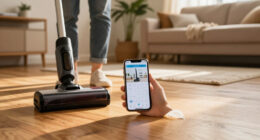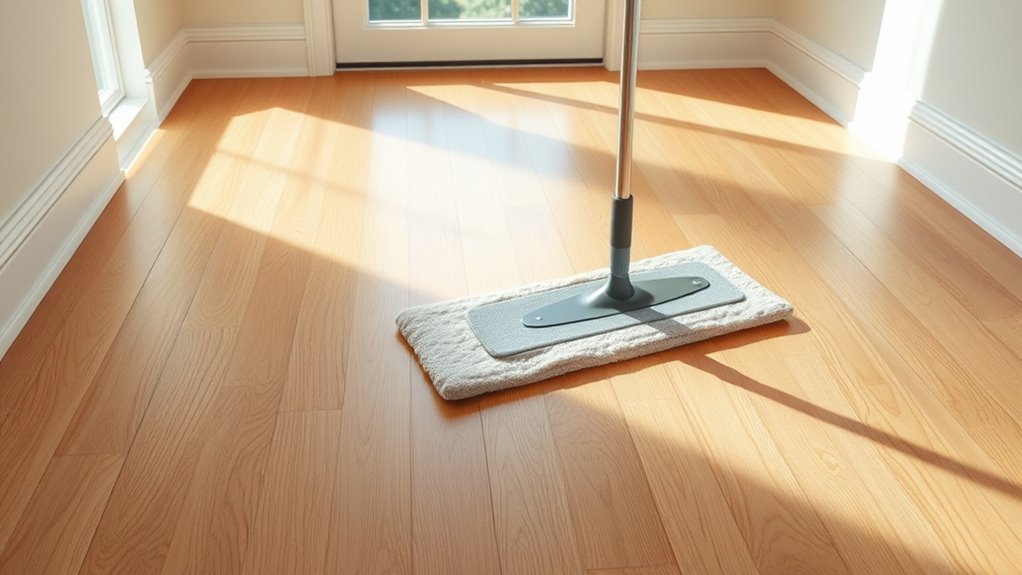

To keep your laminate floors allergy-safe, establish a consistent cleaning routine with frequent vacuuming using a HEPA filter and a soft brush setting. Use microfiber cloths for dry dusting and occasionally dampen them to pick up stubborn dust without moisture damage. Keep windows closed during windy days, wash bedding regularly, and clean HVAC filters often. Maintaining these steps will help reduce allergens; if you continue exploring, you’ll find even more tips for a healthier home.

Get cleaning gear delivered free with Prime
- Fast, free delivery on millions of items
- Prime Video, Amazon Music and more included
- Member-only deals all year
Key Takeaways
- Vacuum laminate floors frequently with a HEPA-filter vacuum to remove dust and allergens effectively.
- Use microfiber mops or cloths for dry dusting to trap dust without spreading it.
- Keep windows closed during windy days to prevent dust from entering and settling.
- Wash bedding regularly and replace HVAC filters to reduce indoor dust sources.
- Establish a consistent cleaning routine, focusing on edges and under furniture for thorough dust removal.

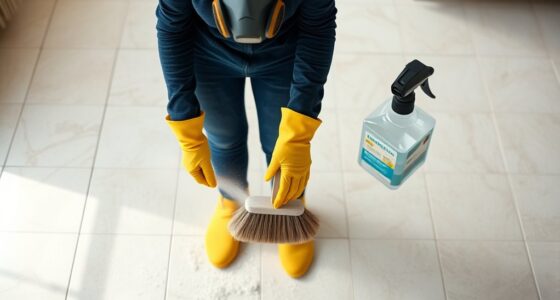
Keeping your laminate floors dust-free can be challenging, but with the right techniques, you can maintain a clean and healthy environment. One of the most effective ways to do this is by establishing a consistent cleaning schedule. Regularly dusting and vacuuming prevents dust buildup, which is especially important if you or your family members suffer from allergies. Creating a routine—such as vacuuming every other day or at least three times a week—helps keep dust, pet dander, and other allergens under control. Stick to this schedule so it becomes a habit, making it easier to maintain a dust-free home.
Establish a regular cleaning routine to keep laminate floors dust-free and allergy-friendly.
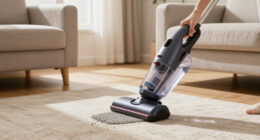
When it comes to vacuuming techniques, choosing the right equipment makes a significant difference. Use a vacuum cleaner with a hard floor setting or a soft-bristled brush to avoid scratching your laminate surface. Make sure the vacuum has a good seal to prevent dust from escaping back into the air. Move the vacuum slowly and methodically across the floor, overlapping each pass to ensure thorough cleaning. Pay special attention to edges, corners, and underneath furniture, where dust tends to accumulate. Using a vacuum with a HEPA filter is highly recommended because it captures tiny particles and allergens, improving indoor air quality and reducing allergy symptoms.
In addition to regular vacuuming, incorporate specific dust control measures into your cleaning schedule. Use a microfiber mop or cloth for dry dusting, as these materials trap dust better than traditional dusters or cloths that might just spread allergens around. Avoid using wet mops on laminate floors too frequently, as excess moisture can damage the surface. Instead, lightly dampen the microfiber cloth or mop to pick up remaining dust after vacuuming, ensuring the floor stays clean without risking warping or swelling.
Furthermore, maintaining a dust-free environment on laminate floors involves minimizing dust sources. Keep windows closed during windy days, regularly wash or replace bedding, and clean your HVAC filters often. These small steps reduce the amount of dust circulating in your home, making your cleaning routines more effective. Remember, consistency is key—skipping days or neglecting certain areas allows dust to settle and accumulate, defeating your efforts to create a healthy, allergy-safe space.
Products Worth Considering

Levoit Eleva 300X HEPA Air Purifier for Home and Bedroom

Coway Airmega 250 Air Purifier for Large Rooms

LEVOIT Vital 200S-P Smart Air Purifier for Large Rooms
As an affiliate, we earn on qualifying purchases.
Frequently Asked Questions
Can Certain Cleaning Tools Damage Laminate Flooring?
Certain cleaning tools can damage laminate flooring if you’re not careful. For example, using a vacuum with too powerful suction might cause scratches or dents, especially if the wheels are rough. Similarly, mops with abrasive pads can scratch the surface, leading to dull spots. To protect your floors, opt for a vacuum with gentle suction and a microfiber mop that’s soft and non-abrasive. This way, you keep your laminate looking new and safe from damage.
How Often Should I Replace My Vacuum Filter?
You should replace your vacuum filter every 3 to 6 months to guarantee peak vacuum maintenance and maximize filter lifespan. Regularly checking the filter’s condition helps prevent dust buildup, maintain suction power, and improve air quality. Don’t wait for visible dirt; instead, set reminders to swap out filters periodically. Doing so keeps your laminate floors clean, allergy-safe, and your vacuum working efficiently, saving you time and money in the long run.
Are There Eco-Friendly Dust Control Products for Laminate Floors?
Yes, there are eco-friendly dust control products for laminate floors. You can opt for sustainable dust control options like natural microfiber mops and eco-friendly cleaning solutions made from plant-based ingredients. These products effectively trap dust without harmful chemicals and are safe for your home and the environment. Using biodegradable dust cloths and non-toxic sprays guarantees you maintain a clean, allergen-free floor while supporting sustainable practices.
Can Pet Hair Damage Laminate Flooring Over Time?
Is pet hair a silent villain lurking on your laminate floors? Yes, over time, pet hair buildup can cause minor scratches and wear, especially if not regularly cleaned. It also contributes to allergen accumulation, which might trigger allergies or asthma. To protect your flooring, vacuum frequently, use a gentle broom, and clean with eco-friendly solutions. This proactive routine keeps your laminate looking great and allergy-safe, ensuring your home remains a healthy sanctuary.
What Are the Best Storage Practices for Dust Mops?
You should store dust mops properly to maintain cleaning tool safety and durability. Keep your dust mop in a cool, dry place, hanging it up or laying it flat to prevent deformation. Avoid storing it in damp areas, which can promote mold. Regularly clean and air out the mop to prevent dust buildup. Proper dust mop storage guarantees effective dust control and extends the life of your cleaning tool.
Conclusion
By following these dust control tips, you’ll keep your laminate floors pristine and allergy-friendly. Regular sweeping, damp mopping, and using HEPA filters make a noticeable difference. Remember, even in the age of steam-powered gadgets, a simple routine remains your best defense. Stay diligent, and your home will stay fresh and safe for everyone, just like the cozy parlor of a bygone era. Dust won’t stand a chance when you make these habits part of your daily routine.