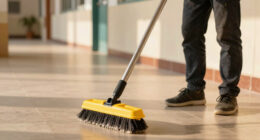
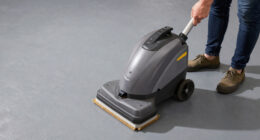
To give your new cork floors a fresh look in just one afternoon, start by removing surface dust and debris with a soft broom or vacuum. Next, clean with a damp, pH-balanced mop, avoiding too much water. Check for scratches or minor damage and lightly sand if needed. Finish with a sealant or polish to enhance shine and protection. Keep moisture levels in check moving forward. If you keep going, you’ll discover how to maintain their beauty long-term.
Key Takeaways
- Begin with thorough sweeping or vacuuming to remove loose debris and surface dust.
- Use a damp, pH-balanced mop to clean the cork floor gently without excess water.
- Inspect for scratches or damage; perform light sanding and apply a fresh protective finish if needed.
- Control humidity levels with dehumidifiers to prevent moisture damage during the reset.
- Finish with a sealant or polish to restore shine and provide long-lasting protection.

Moving into a new home often means discovering the true condition of your cork floors and figuring out how to restore their beauty. Before diving into any repairs or improvements, it’s essential to start with a thorough floor cleaning. Dirt, dust, and debris tend to settle into the textured surface of cork, making it look dull and worn. Use a soft-bristled broom or a vacuum with a brush attachment to remove surface particles. Follow up with a damp mop using a gentle, pH-balanced cleaner specifically designed for cork flooring. Avoid excessive water, as moisture can seep into the porous material and cause damage over time. This initial cleaning sets the stage for the rest of your reset process, ensuring you’re working on a clean, debris-free surface that can better reflect the floor’s true condition. Silly tantrums often occur, adding humor to shoots.
Once the surface is clean, focus on moisture control. Cork is naturally resistant to moisture, but it’s not impervious. Excess humidity or water exposure can lead to swelling, warping, or mold growth. Check your home’s humidity levels with a hygrometer, aiming for around 40-60%. Using a dehumidifier or increasing ventilation can help keep moisture levels in check. If you notice any areas with standing water or persistent dampness, address the source immediately and dry the area thoroughly. Proper moisture control not only preserves the integrity of your cork floors but also enhances their appearance. Consider applying a sealant or a protective finish if your floor isn’t already coated, which adds an extra barrier against moisture and dirt.
After cleaning and moisture management, inspect your cork floors for damage such as scratches, dents, or discoloration. Light sanding can help smooth out minor imperfections, making the surface look fresh. If needed, apply a suitable floor finish or polish designed for cork to boost shine and provide extra protection. These steps, done in a single afternoon, can considerably improve your floors’ appearance and longevity. Remember, maintaining your cork floors with regular cleaning and moisture control is key to keeping them beautiful for years to come. A little effort now can prevent costly repairs later, giving your new home that polished, inviting look right from the start. Rising talents showcase exceptional skills at a young age.

Zep Neutral PH Industrial Floor Cleaner – 1 Gallon – ZUNEUT128 – Concentrated Pro Trusted All-Purpose Floor Cleaner
Maintains polish without stripping protective coating
As an affiliate, we earn on qualifying purchases.
As an affiliate, we earn on qualifying purchases.
Frequently Asked Questions
How Long Should I Wait Before Walking on New Cork Floors?
You should wait at least 24-48 hours before walking on your new cork floors. This allows the adhesive and finish to cure properly, preventing damage. Remember cork flooring tips like keeping shoes soft and using rugs to protect the surface. Regular maintenance essentials include sweeping regularly and avoiding excessive water. By giving your floors proper time and care, you’ll ensure they stay beautiful and durable for years to come.
Can I Use Standard Cleaning Products on Cork Floors?
You should avoid using standard cleaning products on your cork floors because they often lack cleaning product compatibility and can damage the surface. Instead, opt for gentle, pH-neutral cleaners designed specifically for cork. Additionally, consider sealing product recommendations to safeguard your floors from moisture and stains. Always check labels and test a small area first to ensure the cleaning product won’t harm your cork floors.
Is Special Sealing Necessary After Moving In?
Yes, sealing is absolutely essential after moving in to protect your cork floors from daily wear and tear. The sealing benefits include preventing stains, moisture damage, and scratches. You should reseal your floors every 1-2 years, depending on foot traffic. Skipping this step risks dulling your floors and exposing them to damage—so don’t delay! Regular resealing keeps your cork floors looking vibrant and fresh for years to come.
How Do I Prevent Damage During the Reset Process?
To prevent damage during the reset process, you should prioritize floor protection by laying down protective coverings like plastic or cardboard in high-traffic areas. Use gentle cleaning techniques, such as damp mops and avoid harsh chemicals, to keep your cork floors pristine. Be cautious when moving furniture and avoid dragging heavy items, which can cause scratches or dents, ensuring your floors stay beautiful and damage-free during the reset.
Are There Eco-Friendly Options for Cork Floor Maintenance?
Yes, you can choose eco-friendly finishes and sustainable cleaning options for your cork floors. Look for natural, non-toxic sealants that are free from volatile organic compounds (VOCs) to protect the environment and your health. Use gentle, biodegradable cleaners to maintain your floors without harming the planet. Regular sweeping and damp mopping with eco-friendly products help keep your cork floors looking fresh while supporting sustainable practices.

U.A.A. INC. U-40 2oz Cork Sealant
As an affiliate, we earn on qualifying purchases.
As an affiliate, we earn on qualifying purchases.
Conclusion
Resetting your cork floors after moving in is quick and easy—you can have your space feeling fresh in just one afternoon. Did you know that properly maintained cork floors can last up to 25 years? By giving your floors a simple reset, you protect their durability and beauty for years to come. So, don’t wait—take a little time now, and enjoy the warm, inviting look of your refreshed cork floors for many more years.

hOmeLabs Dehumidifier – Advanced Humidity & Moisture Control, Quiet, Efficient, Auto Shut-off, Ideal for Home, Basement, Office – 3,500 Sq Ft Wi-Fi (25 Pint MAX 64 Pint at 95°F, 90% RH)
Superior Moisture Control – This Wi-Fi enabled dehumidifier removes up to 25 pints per day at 80°F, 60%RH…
As an affiliate, we earn on qualifying purchases.
As an affiliate, we earn on qualifying purchases.
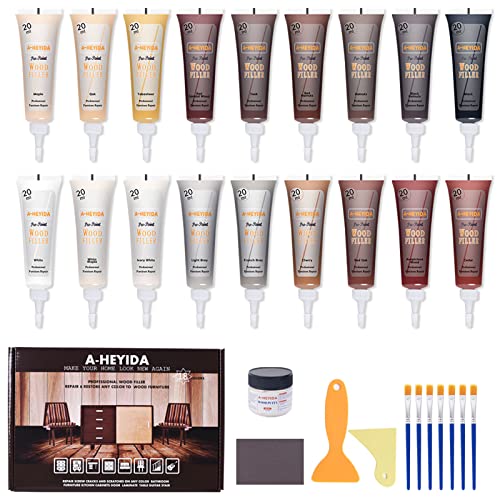
Wood Furniture Repair Kit – 18 Colors Wood Filler Hardwood Laminate Vinyl Floor Repair Kit Wood Putty Cabinet Touch Up Kit – Cover Scratches, Stains, Holes for Table, Door, Veneer, Cherry, Walnut
Wood Vinyl Floor Repair Kit: 31 piece laminate floor repair kit includes 18 unique colors of resin wood…
As an affiliate, we earn on qualifying purchases.
As an affiliate, we earn on qualifying purchases.