To keep natural stone surfaces allergy-safe and dust-free, regularly dust with a soft microfiber cloth or broom, and avoid harsh chemicals. Use pH-neutral cleaners and damp mops for deeper cleaning, but avoid excess water to protect porosity. Sealing your stone with a quality sealant reduces dust settling into tiny pores and makes cleaning easier. Consistent maintenance and proper tools help prevent dust buildup, so keep exploring for more tips on maintaining your natural stone surfaces effectively.
Key Takeaways
- Use soft-bristled brushes or microfiber cloths for gentle dust removal without scratching the surface.
- Regularly clean with pH-neutral, natural stone-specific cleaners to prevent dust buildup and maintain surface integrity.
- Install high-quality sealants to reduce porosity, making dust less likely to settle into the stone.
- Incorporate air purifiers or HEPA filters to reduce airborne dust and allergens in the environment.
- Schedule periodic resealing and routine cleaning to sustain dust control and promote allergy-safe conditions.
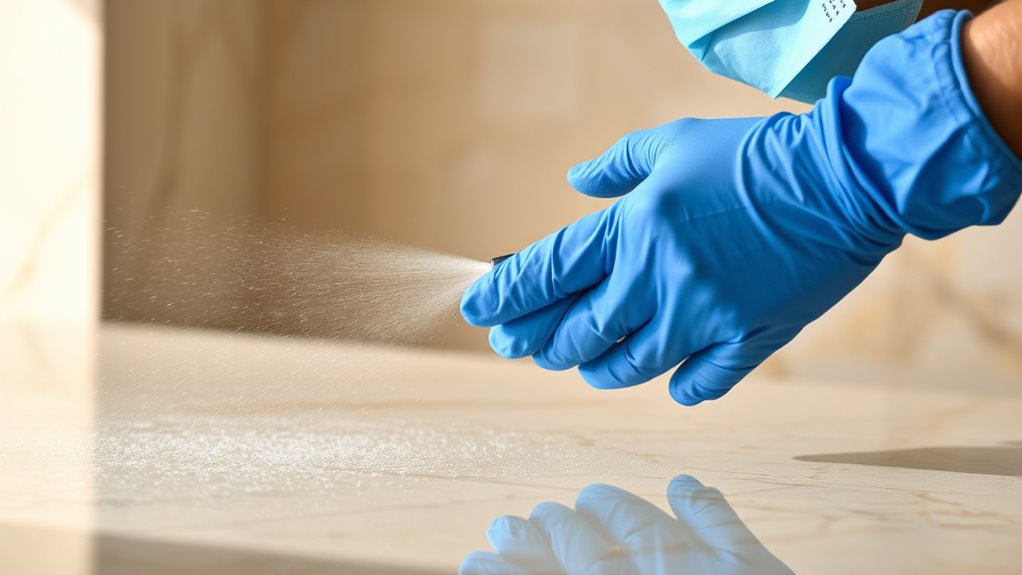
Are you struggling to manage dust on natural stone surfaces? If dust tends to settle quickly and becomes a constant nuisance, it’s time to refine your approach. Dust can aggravate allergies and diminish the beauty of your stone surfaces, but with the right cleaning techniques and sealing methods, you can keep dust at bay while maintaining a healthy environment. Start by understanding that dust particles cling to uneven surfaces and porous textures, so regular cleaning is essential. Using a soft-bristled brush or a microfiber cloth helps trap dust without scratching the stone, making your cleaning routine more effective. When cleaning, avoid harsh chemicals that might damage the stone’s natural finish; instead, opt for gentle, pH-neutral cleaners designed specifically for natural stone. These cleaners lift dust and dirt without compromising the stone’s integrity.
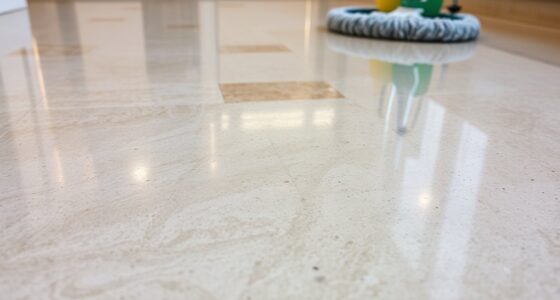
Sealing methods play an integral role in dust management. Applying a high-quality sealant creates a barrier over the stone’s surface, reducing porosity and preventing dust from settling into tiny pores. This not only makes cleaning easier but also prolongs the life of your stone surfaces. For best results, seal your natural stone periodically, following the manufacturer’s instructions closely. Proper sealing minimizes dust accumulation and makes routine cleaning faster and more efficient. It’s also worth noting that sealing methods can vary depending on your stone type, so consult with a professional if you’re unsure which sealant works best for your specific surface.
In addition to sealing, maintaining a dust-free environment involves regular dusting and sweeping. Use a dry microfiber cloth or a soft broom to remove loose dust daily. For deeper cleaning, damp mops with the gentle cleaner can be used, but avoid excessive water, which can seep into porous stones and cause damage over time. Incorporate air purifiers or HEPA filters in your space to trap airborne dust particles before they settle on your stone surfaces, further reducing dust buildup. Remember, consistency is key—adhere to your cleaning schedule and revisit sealing treatments every few years to keep dust under control.

HHQ Commercial Floor Scrubber Machine, Heavy Duty Orbital Floor Cleaner, Multi-Functional Floor Buffer Polisher Machine- Deep Cleaning Tile and Grout, Hardwood Floors and Carpets with Ease, Orb-5
Complete Accessory Kit Included: Comes with Heavy/ Medium/ Soft brushes and 3 types of cleaning pads for multiple...
As an affiliate, we earn on qualifying purchases.
Frequently Asked Questions
Are There Eco-Friendly Dust Control Options for Natural Stone?
Yes, you can choose eco-friendly options for dust control on natural stone. Look for natural solutions like using damp cloths or mops to minimize dust, and opt for non-toxic, biodegradable sealants. These methods reduce chemical use and are safe for the environment. Regularly cleaning with these eco-conscious tools not only keeps your space dust-free but also promotes sustainability, making your routine healthier for both you and the planet.
How Often Should Dust Control Measures Be Reapplied?
You should reapply dust control measures every 1 to 3 months, depending on usage and environmental factors. Establish a maintenance schedule that considers your specific conditions, like foot traffic or dust levels. Regular reapplication ensures maximum protection and keeps dust at bay, especially on natural stone surfaces. Keep an eye on signs of wear or dust buildup, and adjust your reapplication frequency accordingly to maintain a healthy, allergy-safe environment.
Can Dust Control Products Damage Natural Stone Surfaces?
Dust control products, when used properly, generally won’t damage your natural stone surfaces. They provide surface protection by trapping dust and allergens while maintaining product safety. However, it’s essential to select products specifically designed for natural stone, as some chemicals may cause etching or discoloration. Always follow manufacturer instructions, test a small area first, and avoid harsh cleaners to guarantee your stone remains pristine and protected.
Is Professional Assistance Necessary for Routine Dust Management?
You don’t necessarily need professional help for routine dust management on natural stone, especially if you use DIY techniques like gentle sweeping and damp cloths. These methods are cost-effective and safe for your surfaces. However, if you’re dealing with delicate or large areas, consulting a professional might be wise to prevent damage and guarantee thorough dust removal. Always weigh the cost considerations against the potential risks of improper cleaning.
What Are the Long-Term Health Benefits of Allergy-Safe Dust Control?
By maintaining allergy-safe dust control, you nurture your long-term respiratory health and bolster your immune system. This gentle approach minimizes irritation and reduces the risk of chronic issues, helping you breathe easier over time. Consistently managing dust creates a safer environment, allowing your body to focus on strengthening defenses rather than battling ongoing allergens. Ultimately, your commitment to allergy-safe routines pays off with sustained well-being and resilience.

Shark Steam & Scrub Steam Mop, All-in-One Scrubbing and Sanitizing Hard Floor Cleaner, LED Headlights, 4 Dirt Grip Soft Scrub Pads Included, XL Water Tank, Swivel Steering, Hawaiian Grey, S8001
SCRUBBING AND SANITIZING*: Tough on stains and gentle on floors. *To sanitize floors, be sure to completely follow...
As an affiliate, we earn on qualifying purchases.
Conclusion
By following these dust control tips, you can keep your natural stone surfaces allergy-safe and beautiful. Did you know that indoor dust particles can contain over 80% allergens? Regular cleaning and proper ventilation considerably reduce this buildup, making your space healthier. Stay consistent with your routine, and you’ll notice fewer allergy symptoms and cleaner surfaces. Taking these simple steps ensures your natural stone remains a safe, stylish feature in your home for years to come.
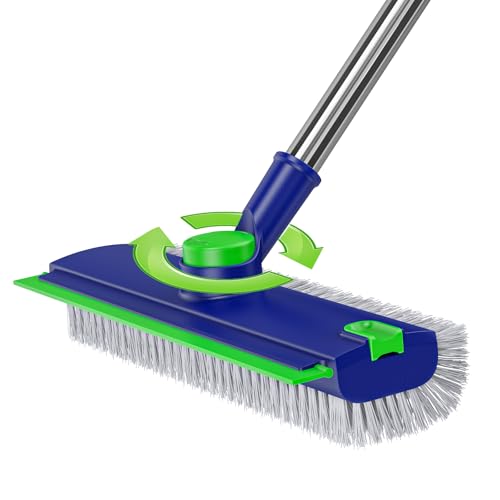
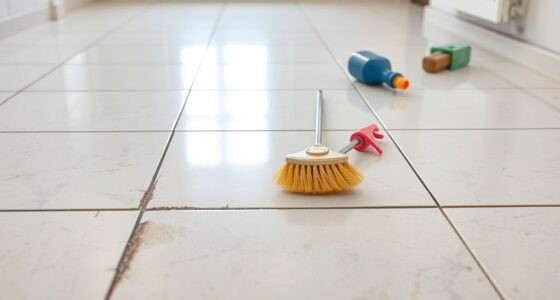
EHADOO Floor Scrub Brush with Long Handle: 3 in 1 Heavy-Duty Floor Scrubber Brush with Squeegee for Cleaning Tile Bathroom Deck Kitchen Patio - Blue
Multifunctional 3-in-1 Floor Scrub Brush: Equipped with a stiff-bristle brush, rubber squeegee, and tweezers. It scrubs stubborn stains...
As an affiliate, we earn on qualifying purchases.

HelpX Floor Scrub Brush with Long Handle, 3 in 1 Scrape and Heavy-Duty Stiff Bristle Floor Scrubber Brush with Squeegee and Tweezer for Cleaning Tile Wall Deck Bathroom Patio Garage Kitchen (White)
【3-in-1 Versatile Floor Scrub Brush】: Our floor scrubber brush is equipped with hard bristles for scrubbing, a rubber...
As an affiliate, we earn on qualifying purchases.