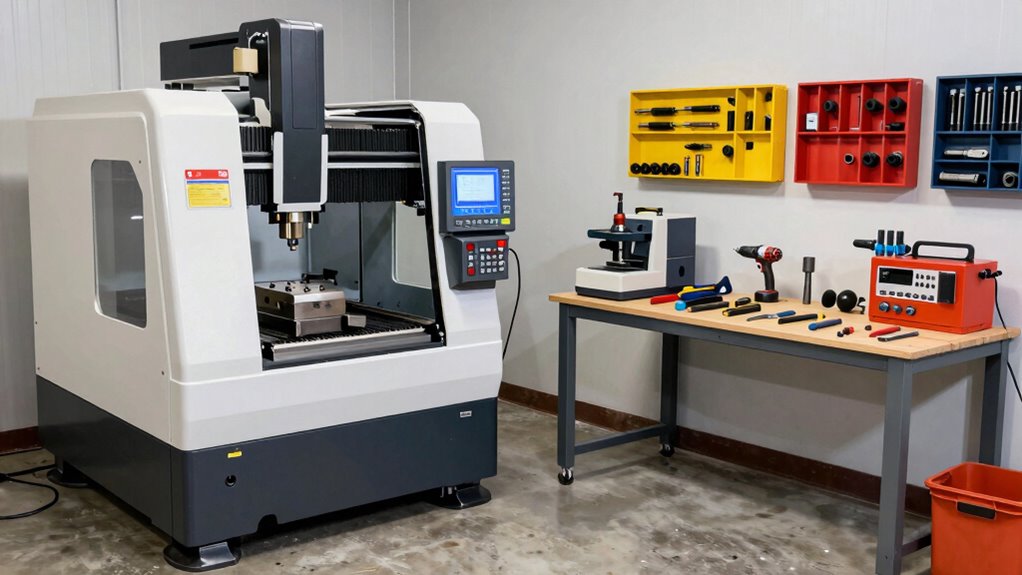

To decide between specialty machines and general-purpose equipment, consider your specific task needs and whether customization can boost efficiency. If your process is repetitive, a specialized machine can save time and reduce errors, but it may limit future growth. On the other hand, versatile, general equipment offers flexibility for expanding or evolving operations. We’ll explore how to weigh costs, scalability, and industry demands to help you make the best choice for your business’s long-term success.

Get cleaning gear delivered free with Prime
- Fast, free delivery on millions of items
- Prime Video, Amazon Music and more included
- Member-only deals all year
Key Takeaways
- Assess task specificity and determine if specialized features improve efficiency and quality for your operations.
- Consider initial costs versus long-term operational expenses and potential savings from customization.
- Evaluate your business’s growth plans to ensure equipment scalability and flexibility for future needs.
- Analyze industry requirements and how each option aligns with current and future operational demands.
- Balance performance benefits with budget constraints to select equipment that maximizes productivity and profitability.
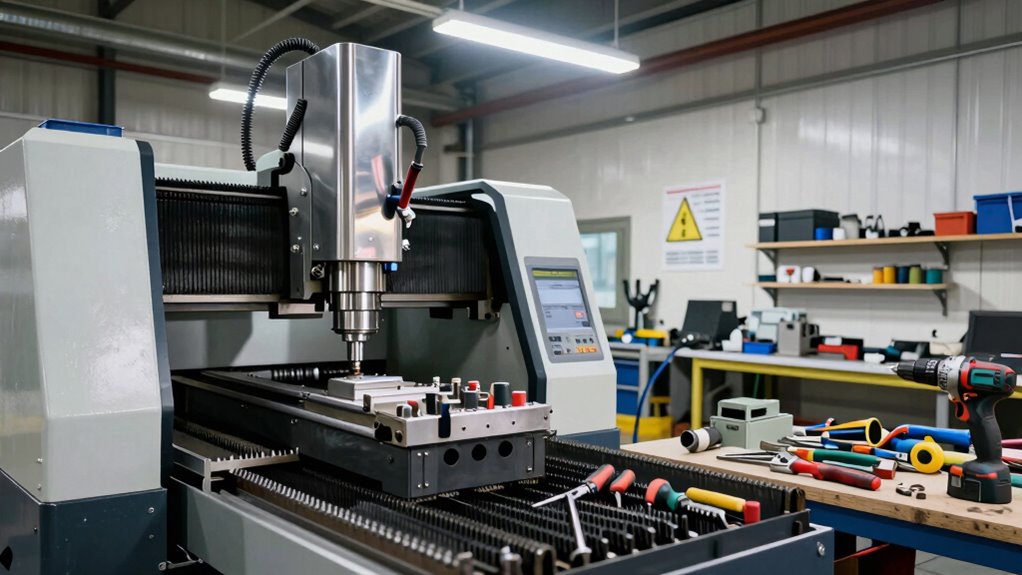
Choosing between specialty and general equipment is an essential decision that can considerably influence your operations. When evaluating your options, you need to focus on how each type of equipment aligns with your specific needs. Specialty machines are designed for particular tasks, offering unique features and customization options that can enhance efficiency and precision in niche applications. On the other hand, general-purpose equipment provides versatility, allowing you to handle a broader range of tasks with a single piece of machinery. Your choice hinges on understanding the trade-offs between these two approaches.
One of the most critical factors to weigh is customization options. Specialty equipment often comes with tailored features that can optimize performance for particular processes, reducing setup time and minimizing errors. If your operations demand high accuracy or specific functionalities, investing in specialized machines might give you a competitive edge. However, these customizations can come at a higher cost, which makes conducting a thorough cost effectiveness analysis vital. You need to assess the initial investment against the potential savings in time, labor, and quality improvements.
A cost effectiveness analysis helps you determine whether the benefits of specialized equipment justify its higher price tag. It involves calculating not only the upfront costs but also ongoing expenses like maintenance, training, and potential downtime. General-purpose machinery, while typically less expensive initially, may require additional auxiliary equipment or more labor to achieve the same level of efficiency. If your operations are highly diverse or require frequent changes, the flexibility of general equipment can translate into cost savings over time. Conversely, if your processes are repetitive and require precision, the added investment in specialty machinery could be more economical in the long run.
Another aspect to evaluate is scalability and future growth. Specialty equipment can be limiting if your business expands into new areas or diversifies its offerings, as it may not be adaptable to different tasks. General-purpose equipment, by contrast, offers more flexibility, allowing you to pivot as your needs evolve without constantly investing in new machines. It is also worthwhile to consider how emerging technologies might impact your equipment needs in the coming years, as staying current can influence your long-term strategic planning. Think about your long-term goals and how each option aligns with those plans.
Additionally, the importance of selecting the right equipment can be enhanced by understanding the variety of available options and how they cater to specific industry needs. Ultimately, your decision should be based on a careful analysis of your current operational needs, potential growth, and financial capacity. By evaluating customization options and performing a thorough cost effectiveness analysis, you can make an informed choice that balances performance, flexibility, and budget constraints. This strategic approach ensures that your investment aligns with your business goals, helping you optimize productivity and profitability in the long run.
specialty manufacturing machines
As an affiliate, we earn on qualifying purchases.
As an affiliate, we earn on qualifying purchases.
Frequently Asked Questions
How Do Initial Costs Compare Between Specialty and General-Purpose Equipment?
You’ll find that initial costs for specialty machines are typically higher than for general-purpose equipment due to their tailored design and advanced features. However, this investment can boost cost efficiency over time through increased productivity and precision. If versatility benefits are essential for your operations, general-purpose equipment might cost less upfront and adapt to various tasks, but it may not deliver the same specialized performance as a dedicated machine.
What Is the Typical Lifespan Difference for These Machine Types?
Think of specialty machines as sturdy oak trees, lasting longer than the flexible bamboo of general-purpose equipment. Usually, specialty machines boast greater durability, often exceeding 10-20 years, while general-purpose tools might last 5-10 years. If you value long-term reliability and don’t need frequent upgrades, specialty machines shine. But if you want flexibility to adapt, general-purpose equipment offers easier upgrades, though with shorter lifespans.
How Does Maintenance Complexity Vary Between Specialty and General Equipment?
You’ll find maintenance for specialty machines tends to be more complex due to customization needs, requiring higher skill requirements from your team. These machines often have specialized parts and precise calibration, making repairs and upkeep more challenging. In contrast, general-purpose equipment usually features standardized components and simpler maintenance routines. This means you can train staff more easily and reduce downtime, streamlining upkeep and minimizing unexpected repair costs.
Are There Industry-Specific Preferences for Machine Types?
Think of industries as different forests—each with unique trees. You’ll find some favoring specialty machines, like a skilled archer targeting specific prey, emphasizing industry customization. Others prefer general-purpose equipment, akin to a versatile gardener tending various plants, showcasing equipment versatility. In sectors like aerospace or automotive, industry preferences lean toward specialized tools for precision. Conversely, manufacturing or warehousing often prioritize flexible, all-in-one machines to adapt quickly to diverse tasks.
What Are the Resale Value Considerations for Both Options?
When considering resale value, you should evaluate market demand and seasonal fluctuations. Specialty machines often have higher resale value if there’s steady demand in your industry, but they can drop sharply during off-peak seasons. General-purpose equipment tends to have broader appeal and maintains more consistent resale value over time. You should also factor in maintenance costs and potential upgrades, which influence how much buyers are willing to pay later.
Conclusion
Ultimately, choosing between specialty and general-purpose equipment hinges on your specific needs and long-term goals. While some argue that specialty machines boost efficiency for niche tasks, others believe versatility offers better value. Research shows that in certain industries, adaptability can lead to innovation and cost savings, challenging the notion that specialization always wins. Carefully weigh the trade-offs, considering both current demands and future growth, to make a decision that truly aligns with your operational vision.
Halloween Picks
halloween
As an affiliate, we earn on qualifying purchases.