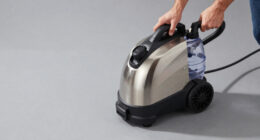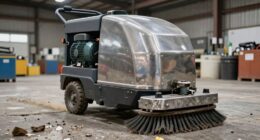
When using autonomous cleaners, you’re responsible for ensuring they meet safety and privacy standards required by law. Manufacturers must design safe, compliant devices, while you need to properly set up, maintain, and monitor these devices to prevent accidents and data breaches. Staying informed about current regulations helps you reduce liability. If you keep these considerations in mind, you’ll better navigate responsibilities and potential risks involved with autonomous cleaning devices—continue to explore how to protect yourself and stay compliant.
Key Takeaways
- Manufacturers must ensure devices meet safety standards and provide clear instructions to minimize liability risks.
- Users should follow proper setup, maintenance, and privacy practices to stay compliant and reduce potential liabilities.
- Compliance with evolving data protection laws safeguards personal information collected by autonomous cleaners.
- Keeping detailed records of device maintenance, updates, and incidents helps manage legal responsibilities.
- Staying informed about regional regulations and actively managing device operation mitigates legal and safety liabilities.
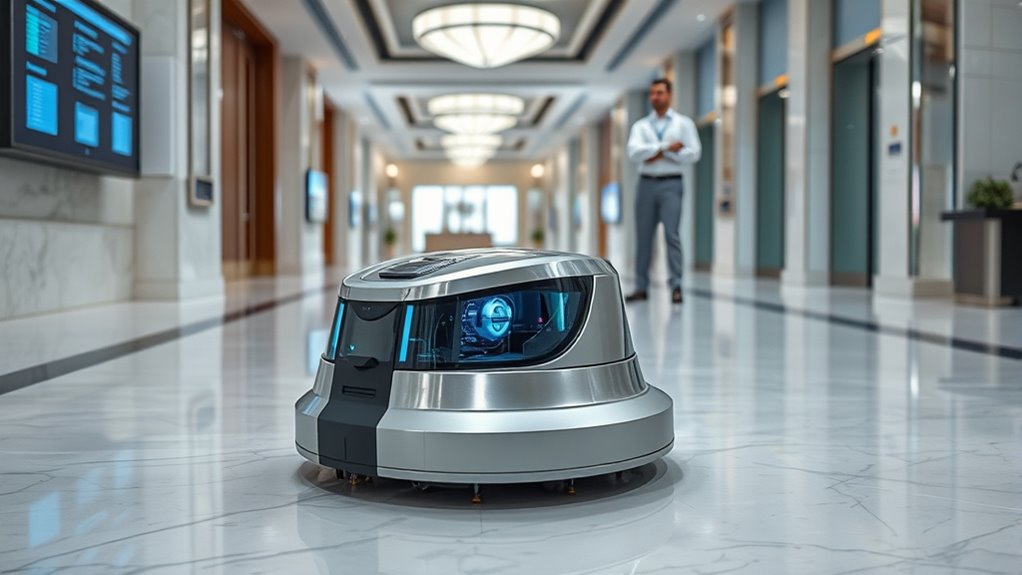
As autonomous cleaners become more common in homes and public spaces, understanding their compliance and liability issues is essential. These devices operate within complex environments, which raises important questions about privacy concerns and safety standards. You need to be aware of how regulations govern their use and what responsibilities you have as a user or provider. Privacy concerns stem from the fact that these cleaners often collect data about the spaces they navigate, including images, sounds, and movement patterns. If not properly managed, this data could be accessed by unauthorized parties or misused, leading to breaches of personal privacy. Ensuring that autonomous cleaners comply with data protection laws isn’t just a legal obligation; it’s crucial to maintain trust and prevent potential misuse of sensitive information. Manufacturers should implement robust data security measures, and you should be vigilant about the permissions you grant these devices, regularly reviewing privacy settings. The integration of robotics into logistics and inventory management demonstrates how automation can lead to increased efficiency and cost savings for businesses. Safety standards are equally critical. Autonomous cleaners must meet rigorous safety regulations to prevent accidents or damage. These standards cover everything from obstacle detection and collision avoidance to safe operation around children, pets, and fragile objects. If a cleaner malfunctions and causes injury or property damage, questions of liability arise. Was the device designed and maintained according to safety standards? Did the manufacturer provide adequate warnings and instructions? As a user, you’re responsible for setting up and maintaining the device properly, but manufacturers also hold liability if their products are inherently unsafe or poorly designed. Regulations are evolving to keep pace with the rapid development of autonomous cleaning technology, and compliance involves both adherence to these standards and continuous monitoring of the device’s performance. You should also be aware that legal frameworks differ by region, which influences how liability is determined. Some jurisdictions may impose strict liability on manufacturers for defects, while others require proof of negligence. As a user, understanding your rights and responsibilities helps you navigate potential disputes or claims. It’s advisable to keep records of maintenance, updates, and any incidents involving the cleaner. Additionally, staying informed about new legislation or guidelines ensures that you’re operating within legal boundaries and protecting yourself from liability. Given the growing use of autonomous systems, regulatory compliance is becoming increasingly important to ensure safe and lawful operation. Ultimately, your role in ensuring compliance and managing liability involves both understanding the legal landscape and actively maintaining the device. By prioritizing privacy concerns and adhering to safety standards, you reduce risks and help foster a trustworthy environment for autonomous cleaners. This proactive approach benefits everyone—protecting your privacy, ensuring safety, and clarifying liability issues should anything go wrong. Staying informed and vigilant allows you to maximize the benefits of autonomous cleaning technology while minimizing potential legal or safety complications.

Eureka Lightweight Powerful Upright Vacuum Cleaner for Carpet and Hard Floor, PowerSpeed, New Model,Blue,black/New Model
Upgraded Cyclone System: The Eureka PowerSpeed is now upgraded with new cyclone technology to handle larger debris, smaller…
As an affiliate, we earn on qualifying purchases.
As an affiliate, we earn on qualifying purchases.
Frequently Asked Questions
How Do Different Countries Regulate Autonomous Cleaning Devices?
Different countries regulate autonomous cleaning devices through various approaches. You’ll find that many establish strict regulatory standards and require safety certifications to guarantee devices operate safely. Some nations, like the EU, emphasize thorough safety testing and data privacy, while others may have more lenient rules. You should stay updated on specific regional regulations, as these influence the design, deployment, and accountability of autonomous cleaners in different markets.
What Are the Privacy Concerns Related to Autonomous Cleaners?
You should be aware that autonomous cleaners raise privacy concerns because they collect data, such as images or room layouts, which can compromise your data privacy. It’s important that you give clear user consent before these devices operate, ensuring you’re aware of what data is being gathered and how it’s used. Always review privacy policies and settings to protect your personal information and maintain control over your data privacy.
Who Is Responsible if an Autonomous Cleaner Damages Property?
If an autonomous cleaner damages your property, you’re typically responsible, but legal liability depends on the manufacturer’s policies and local laws. You should check if your insurance coverage includes damages caused by autonomous devices. In some cases, the manufacturer or service provider might be liable if the damage results from a defect or malfunction. Always review your insurance policy and warranty terms to understand your protection and potential claims.
How Do Liability Laws Adapt to Quickly Evolving Technology?
Think of legal frameworks as the crew steering a ship through foggy waters of rapid technological innovation. As tech evolves swiftly, laws must adapt like a skilled sailor adjusting sails, ensuring safety and accountability. You need flexible regulations that keep pace with innovation, clarifying liability and fostering trust. Staying ahead means updating statutes regularly, much like charting new courses, so society benefits from advancements without risking chaos or confusion.
Are There Insurance Policies Specifically for Autonomous Cleaning Equipment?
Yes, there are insurance policies specifically for autonomous cleaning equipment. You should look into liability insurance that covers potential damages or accidents caused by your autonomous cleaner. These policies offer tailored insurance coverage to protect you from financial loss if the equipment malfunctions or causes harm. It’s essential to have the right liability insurance in place, ensuring you’re covered and compliant with regulations, giving you peace of mind during operation.

EVERYBOT EDEG2 Robot Mop Cleaner for Hard Floors, Dual Spin Powerful Mopping Removes Dust & Stains, Quiet Fast Cleaning, Slim Design for Under Furniture, Remote Control Included (No Wi-Fi/APP)
[2024 Upgrade Version] Upgraded battery and strengthened testing during receiving and shipping to resolve previous power issues, upgraded…
As an affiliate, we earn on qualifying purchases.
As an affiliate, we earn on qualifying purchases.
Conclusion
As you navigate the world of autonomous cleaners, remember that technology advances faster than regulations. While these devices promise effortless cleanliness, liability issues loom like shadows in the background. You hold the power to guarantee compliance, but the risk of oversight is real. Embrace innovation cautiously, knowing that balancing progress with responsibility isn’t just smart—it’s essential. After all, in this new era, staying ahead means not just trusting machines, but also holding them—and yourself—accountable.

GENTERUN Brushed Motor,Dust Box,Main Brush Filter Mop Kit,Compatible for Laresar, Mars 01, Robot Vacuum Cleaner Replacement Use(Kit)
Silent operation: consumables produce minimal noise when working. Let the equipment work quietly without interfering with your daily…
As an affiliate, we earn on qualifying purchases.
As an affiliate, we earn on qualifying purchases.
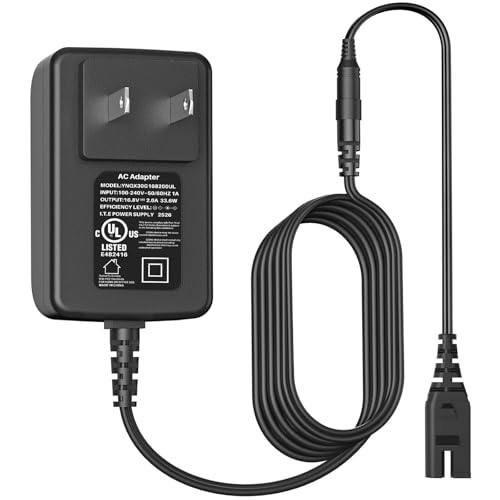
VIFOCUFY 16.8V AC/DC Adapter Charger Compatible with Aiper Scuba S1 Robotic Pool Cleaner, Power Cord Supply Charger for Aiper Scuba S1 E1 14.4V Li-ion Battery Cordless Robotic Pool Vacuum Cleaner
Power Cord Compatibility: VIFOCUFY Adapter Charger Power Supply Compatible with Aiper Scuba S1 E1 14.4V 7800mAh 112.32Wh Li-ion…
As an affiliate, we earn on qualifying purchases.
As an affiliate, we earn on qualifying purchases.