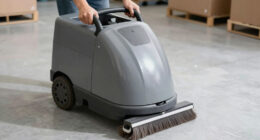
In studio apartments, robot vacuums are great for quick, daily cleaning and maintaining a tidy space, especially when you’re busy or want hands-free convenience. Manual cleaning wins when you need deep cleaning, detailed tasks, or want better control over cluttered or hard-to-reach spots. Combining both methods often gives you the best results, making your space both efficient and spotless. Keep exploring to find tips on how to optimize your cleaning routine effectively.
Key Takeaways
- Robots excel at quick, routine cleaning for busy schedules, while manual cleaning handles detailed, deep-clean tasks.
- Use robots for daily dust and debris removal; reserve manual cleaning for stubborn stains and hard-to-reach spots.
- Manual cleaning offers better control in cluttered environments, especially around furniture and tight corners.
- Combining both methods ensures a thorough, efficient cleaning routine tailored to your space and needs.
- Robots provide convenience and time-saving benefits, whereas manual cleaning delivers precision and detailed care.

When it comes to maintaining your studio apartment, choosing between robot and manual cleaning methods can considerably impact your daily routine. You want a cleaning approach that’s efficient, reliable, and suits your lifestyle. Robots, especially robotic vacuums, can be a lifesaver if you’re pressed for time or struggle with physically demanding tasks. They’re designed to navigate around furniture and tight corners, often using sensors and mapping technology to clean thoroughly with minimal oversight. You simply press a button, and the robot gets to work while you focus on other activities or relax. This convenience is especially valuable if you have a busy schedule or find regular cleaning to be a chore. Plus, many models can be scheduled to run automatically at specific times, ensuring your apartment stays tidy without constant intervention.
Robotic vacuums save time with hands-free, thorough cleaning tailored for busy studio apartments.
However, manual cleaning still has its advantages and becomes the better choice in certain scenarios. For instance, if your studio apartment has a lot of clutter, fragile items, or tight spaces, a manual approach gives you better control. You can target specific areas that might be tricky for a robot to navigate, like under furniture or around cords. Manual cleaning also allows you to do a more thorough job, especially with detailed tasks like wiping surfaces, cleaning windows, or scrubbing stubborn stains. When you’re physically involved in cleaning, you can assess the condition of your space more closely and address issues before they worsen. Additionally, some people prefer the tactile satisfaction of manual cleaning, feeling more in control of their environment.
Choosing between robots and manual cleaning ultimately depends on your priorities. If saving time and effort is your main goal, a robot vacuum can handle daily maintenance effortlessly, freeing you up for other activities. It’s ideal for keeping your floors clear of dust, pet hair, and debris with minimal hassle. On the other hand, if you value a deep clean, have specific cleaning needs, or enjoy the process of tidying up, manual cleaning might be more satisfying. It also comes in handy during deep cleaning sessions, where you need to scrub surfaces or clean hard-to-reach spots that robots can’t handle.
In many cases, a combination approach works best. Use a robot vacuum regularly for quick, light cleaning, and reserve manual cleaning for periodic deep cleans or detailed tasks. This way, you strike a balance that keeps your studio apartment comfortable and clean without overwhelming your schedule. Ultimately, understanding when each method wins helps you craft a cleaning routine that fits your lifestyle and keeps your space looking its best.

ROPVACNIC Robot Vacuum Cleaner Robot Vacuum and Mop Combo with 5200Pa Suction, Personalized Cleaning Adjustments, Self-Charging Robotic Vacuum Cleaner, Advanced Obstacle Avoidance
【2-in-1 Mopping and Vacuuming】 The ROPVACNIC Robot S1 integrates advanced electronically controlled mopping technology, significantly enhancing both cleaning…
As an affiliate, we earn on qualifying purchases.
As an affiliate, we earn on qualifying purchases.
Frequently Asked Questions
How Do Robot Vacuums Handle Tight Corners in Studios?
Robot vacuums handle tight corners in studios fairly well, thanks to their corner-specific brushes and smart navigation. Many models use sensors and edge detection to reach into corners and along walls, ensuring thorough cleaning. However, you might need to manually spot clean some edges or use a handheld vacuum for stubborn spots. Overall, modern robots minimize the need for manual intervention in tight spaces, making your cleanup easier.
Are Manual Cleaning Methods More Cost-Effective Long-Term?
Think of manual cleaning methods as a trusty old map guiding you through a dense forest. They can be more cost-effective long-term, especially since you avoid ongoing expenses like replacement batteries or repairs. While robotic vacuums are quick and convenient, manual tools like mops and brushes require an initial investment but often last longer, saving you money over time. So, if you value durability and lower long-term costs, manual cleaning might be your best route.
Can Robots Replace All Manual Cleaning Tasks Completely?
Robots can’t fully replace all manual cleaning tasks yet. While they handle routine jobs efficiently, they lack the flexibility and finesse needed for delicate or complex cleaning tasks. You’ll still need to do some manual work, especially in tight or hard-to-reach spaces. Robots are great assistants, but for a thorough clean, your hands and judgment remain essential. So, expect a blend of both for the best results.
What Maintenance Is Required for Robotic Cleaning Devices?
You’ll need to regularly empty the dustbin and clean the filters of your robotic cleaning device to keep it running efficiently. Periodically check the brushes and wheels for hair and debris, and remove any blockages. It’s also a good idea to inspect the sensors and wipe them clean to guarantee proper navigation. Keep software updates current, and replace parts like filters or brushes when they show signs of wear.
How Do Noise Levels Compare Between Robots and Manual Cleaning?
Think of noise levels as a quiet river versus a roaring waterfall. Robots usually operate more quietly than manual cleaning, making them ideal for keeping your apartment peaceful. While some robotic models can be surprisingly loud on certain surfaces, most are designed to minimize sound, so you can relax or work without disruption. Manual cleaning, on the other hand, often involves louder noises from vacuum motors and brushes.
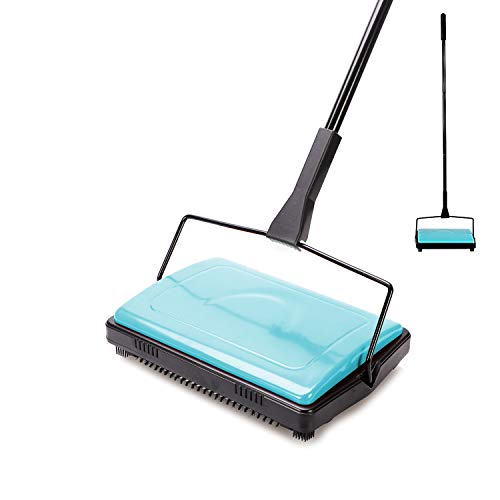
Yocada Carpet Sweeper Cleaner for Home Office Low&Undercoat Carpets Rugs Pet Hair Dust Scraps Paper Small Rubbish Cleaning with a Brush Blue
Carpet Sweeper MULTIFUNCTIONAL: Safe and efficient on low carpets, rugs, undercoat carpets. Please DON'T use it on floors…
As an affiliate, we earn on qualifying purchases.
As an affiliate, we earn on qualifying purchases.
Conclusion
Ultimately, whether you choose robot or manual, it’s about what suits your lifestyle, your needs, and your space. It’s about convenience and control, efficiency and comfort, innovation and tradition. When you weigh the options, remember: it’s your home, your choice, your happiness. Embrace what works best for you, and make your studio apartment a place where technology and tradition come together, creating a space that feels just right—yours, always.
ROPVACNIC Robot Vacuum Cleaner Robot Vacuum and Mop Combo with 5200Pa Suction, Personalized Cleaning Adjustments, Self-Charging Robotic Vacuum Cleaner, Advanced Obstacle Avoidance
【2-in-1 Mopping and Vacuuming】 The ROPVACNIC Robot S1 integrates advanced electronically controlled mopping technology, significantly enhancing both cleaning…
As an affiliate, we earn on qualifying purchases.
As an affiliate, we earn on qualifying purchases.

TUYU Electric Spin Scrubber, Full-Body IPX7 Waterproof Bathroom Scrubber with Power LCD Display, Adjustable Extension Handle, Cordless Shower Cleaner Brush for Bathtub Kitchen Wall Cleaning
【Save Time And Effort】 Upgraded Electric Spin Scrubber Cordless gets rid of the troubles caused by traditional cleaning…
As an affiliate, we earn on qualifying purchases.
As an affiliate, we earn on qualifying purchases.