
When implementing robots in healthcare, you must prioritize strict hygiene standards to prevent infections and protect patient safety. This involves using advanced sensors and AI systems that monitor and guarantee proper sterilization of tools and surfaces. Robots should also have smooth, easy-to-clean surfaces and hygienic interfaces to reduce cross-contamination risks. Balancing technological capabilities with rigorous hygiene protocols is critical. Keep exploring, and you’ll discover how these practices support safer, more effective healthcare environments.
Key Takeaways
- AI systems enable real-time contamination detection and monitor sterilization processes to ensure hygiene compliance.
- Robots assist with tasks like surgery and medication delivery while maintaining strict disinfection standards.
- Robotic surfaces and interfaces are designed for easy cleaning to prevent infection transmission.
- Continuous AI-powered monitoring supports ongoing hygiene maintenance and adherence to sterilization protocols.
- Balancing robotic functionality with high hygiene standards is essential to minimize infection risks in healthcare settings.

Have robots truly transformed healthcare? As you consider this, it’s clear they’ve made substantial strides, especially when it comes to AI integration and enhancing patient comfort. But with all these advancements, hygiene considerations remain a critical concern. Robots are now performing increasingly complex tasks, from assisting surgeons to delivering medication, and maintaining strict hygiene standards is essential to prevent infections. You need to understand how these machines are designed to meet such standards and what challenges still exist.
AI integration plays a pivotal role in guaranteeing robots operate safely and hygienically. Advanced sensors and software help robots detect contamination or cleanliness issues in real-time, allowing for immediate corrective actions. For example, robots used in sterilization processes are equipped with AI systems that monitor their environment, ensuring that surfaces and tools are properly disinfected. These AI-driven systems also track maintenance schedules, alerting staff when cleaning or calibration is needed. This proactive approach minimizes the risk of cross-contamination, which is indispensable in healthcare settings where vulnerable patients are involved. Furthermore, AI integration allows robots to adapt to different hygiene protocols depending on the specific procedures or patient needs, making their operation more precise and reliable. Incorporating high contrast ratio projectors can also improve visual clarity during procedures or training, enhancing overall safety and effectiveness.
Patient comfort is another essential aspect when it comes to hygiene considerations. You want to guarantee that robots interacting with patients do so in a way that promotes trust and reduces anxiety. Proper hygiene protocols help achieve this by preventing any potential source of infection or discomfort. For instance, robots that assist with patient mobility, such as those helping patients get in and out of beds or chairs, are designed with smooth, non-porous surfaces that are easy to clean and disinfect. This not only maintains hygiene standards but also reassures patients that their safety is a priority. Additionally, robotic interfaces are being developed with softer materials and more intuitive designs to create a more comforting experience, especially in sensitive procedures. Maintaining high hygiene standards in these interactions minimizes the risk of infection transmission, which can profoundly impact patient recovery and overall experience.
While robots offer incredible benefits, guaranteeing their hygiene requires ongoing attention. Regular cleaning routines, sterilization protocols, and AI-powered monitoring systems are all part of the solution. You must stay vigilant about maintenance and hygiene standards, adapting them as technology evolves. Ultimately, the goal is to harness robotic capabilities to improve healthcare outcomes without compromising safety or comfort. By focusing on AI integration and patient-centered design, healthcare providers can guarantee that robots contribute positively to the healing environment, supporting both staff and patients while maintaining impeccable hygiene standards.
Frequently Asked Questions
How Do Robots Sterilize Themselves Between Patient Interactions?
Robots sterilize themselves between patient interactions using advanced sterilization technology, such as UV-C light or disinfectant sprayers. Their surface coatings, often antimicrobial, help reduce bacteria buildup. You can guarantee proper hygiene by regularly activating sterilization cycles, which clean and disinfect robot surfaces efficiently. This combination of sterilization technology and specialized coatings helps maintain a sterile environment, minimizing infection risks and safeguarding patient health during each interaction.
What Materials Prevent Bacterial Buildup on Healthcare Robots?
You should use materials with antimicrobial coatings to prevent bacterial buildup on healthcare robots. These coatings actively inhibit bacteria growth, maintaining hygiene between uses. Additionally, a hygienic design with smooth, easy-to-clean surfaces minimizes crevices where bacteria can hide. Combining antimicrobial materials and hygienic design guarantees your robots stay sterile, reducing infection risks and promoting patient safety during healthcare interactions.
Are There Standardized Hygiene Protocols for Robotic Devices?
Think of robot maintenance as a shield guarding infection control. While there are no universal standards yet, many healthcare facilities follow strict protocols similar to those for medical tools, emphasizing cleaning, disinfection, and sterilization. These guidelines aim to prevent bacterial buildup and guarantee robots stay safe for patient interaction. As technology evolves, expect more standardized hygiene procedures, making robots reliable allies in infection prevention and control.
How Often Should Healthcare Robots Undergo Cleaning Procedures?
You should clean healthcare robots regularly, ideally after each use or shift, to maintain hygiene. Follow established cleaning schedules based on the robot’s usage and environment. Incorporate robot maintenance routines that include disinfection procedures to prevent contamination. Always adhere to manufacturer guidelines and healthcare protocols, ensuring surfaces are sanitized thoroughly. Consistent cleaning not only promotes infection control but also prolongs the robot’s functionality and safety in clinical settings.
What Are the Risks of Cross-Contamination From Robotic Devices?
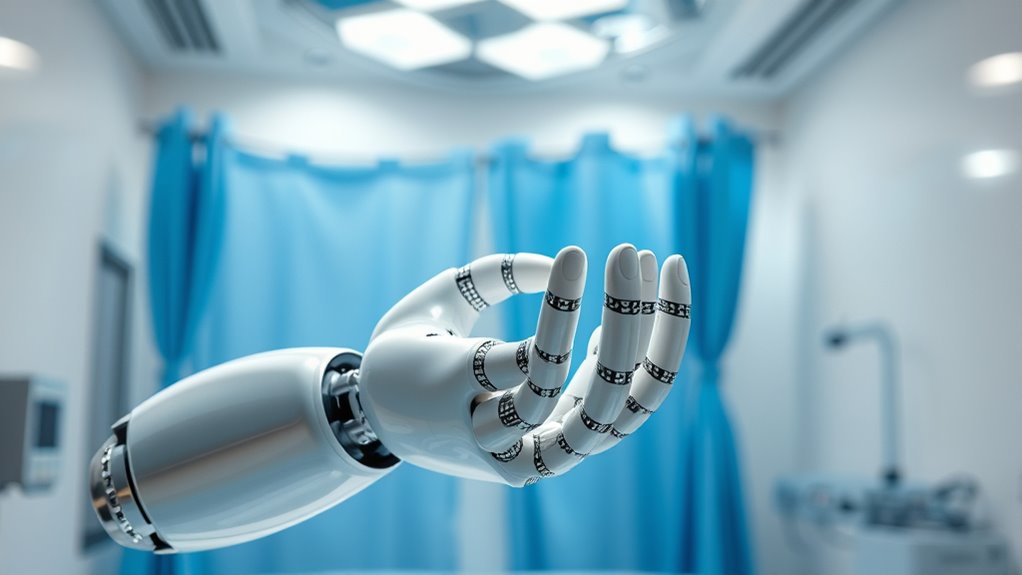
Cross-contamination from robotic devices can cause serious sicknesses, sparking safety scares. You risk contamination if robotic hand hygiene isn’t strictly maintained, allowing bacteria and viruses to spread between patients. Regular cleaning minimizes contamination risk, but neglect can lead to infections, endangering both patients and staff. Stay vigilant by ensuring robotic devices are properly sanitized, because even small lapses in robotic hand hygiene can lead to significant health hazards.
Conclusion
Think of robots as guardians in your healthcare journey—like vigilant knights defending your well-being. Just as a knight needs a clean sword to protect effectively, these robots require meticulous hygiene to serve you safely. When you guarantee their cleanliness, you’re fueling their armor, empowering them to battle germs and infections. In this dance of trust, maintaining hygiene becomes your shield, ensuring that technology and health unite seamlessly for your safety and peace of mind.