To prevent cliff and wall errors on your salon floor sensors, you need to keep them clean and free of debris. Regularly inspect sensors, turn off equipment before cleaning, and use a soft cloth with a bit of isopropyl alcohol for stubborn dirt. Avoid harsh chemicals that could damage sensors. Consistent maintenance guarantees accurate readings and smooth operation. Keep going to discover more tips on maintaining your salon sensors effectively.
Key Takeaways
- Regularly turn off floor sensors before cleaning to prevent damage and ensure safety during maintenance.
- Use soft, lint-free cloths with a small amount of isopropyl alcohol to remove dust, hair, and residues gently.
- Avoid harsh chemicals or excessive moisture that can impair sensor function or cause malfunctions.
- Conduct routine inspections weekly to identify and clean dirt buildup early, preventing errors.
- Follow manufacturer guidelines for specific cleaning procedures to maintain sensor accuracy and avoid “cliff” or “wall” errors.
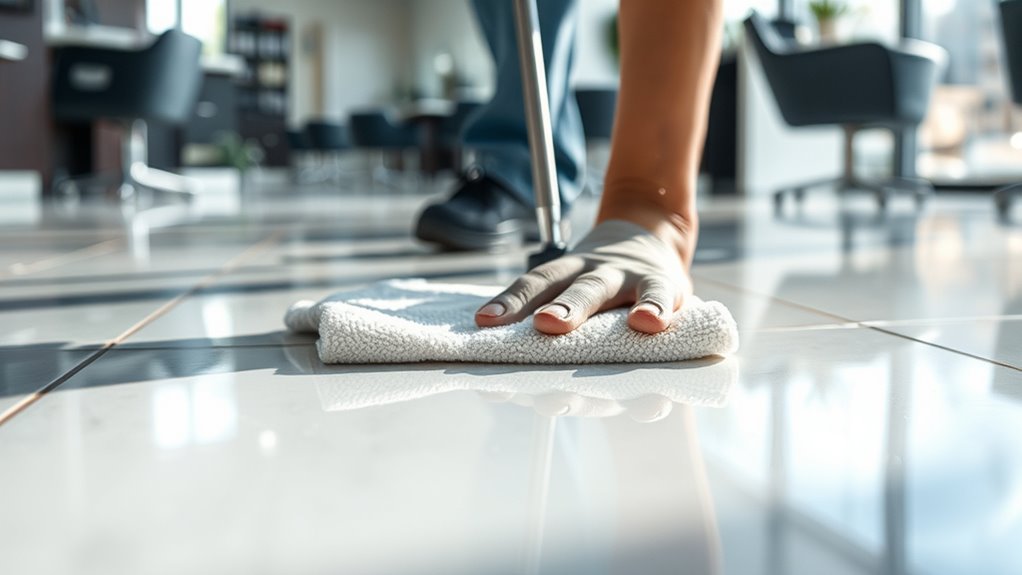
Regular sensor cleaning on salon floors is essential for maintaining a safe and hygienic environment. If you neglect this task, you risk encountering errors that can disrupt your workflow and compromise client safety. Sensors play a vital role in various salon equipment, from automated cleaning devices to advanced floor monitoring systems. When dust, hair, or debris accumulate on these sensors, they can lead to inaccurate readings or malfunctions. This often results in what’s called “cliff” or “wall” errors, which are interruptions caused by sensor misinterpretation of the environment. These errors aren’t just minor inconveniences; they can halt operations altogether, forcing you to troubleshoot and reset equipment repeatedly.
You might not realize how quickly dirt and residue build up on sensors, especially in a busy salon setting. Hair clippings, product residues, and dust particles are constantly settling on surfaces, and sensors are particularly sensitive to these obstructions. Regular cleaning ensures that sensors maintain optimal performance and can accurately detect their surroundings. It’s a simple step that prevents false triggers, unintentional shutdowns, or misaligned responses from your equipment. Performing routine cleaning also extends the lifespan of your sensors, saving you money on replacements and repairs over time. Additionally, understanding the importance of proper sensor maintenance can help you implement effective cleaning routines that keep your salon running smoothly. To effectively clean your sensors, you should start by turning off the equipment to avoid accidental damage. Use a soft, lint-free cloth or a microfiber cloth to gently wipe the sensor surfaces. Avoid harsh chemicals, abrasives, or excessive moisture, as these can cause permanent damage. In some cases, a small amount of isopropyl alcohol on the cloth can help remove stubborn residues. Be sure to follow manufacturer guidelines for cleaning, as some sensors may require specific cleaning agents or procedures. Regularly inspecting your sensors, at least weekly or more often if your salon is particularly busy, will help you catch dirt buildup early before it causes errors.

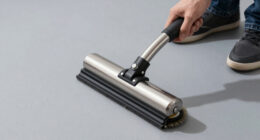
HHQ Commercial Floor Scrubber Machine with Brushes and Pads, Heavy Duty Floor Cleaner Polisher and Buffer- Deep Cleaning Tile and Grout, Hardwood Floors and Carpets without Getting on Hands and Knees
Kit Included: 1 Orbital Floor Buffer & Scrubber Machine, 2 Polishing/ Stripping Pads, 3 Scrub Brushes, 1 Microfiber...
As an affiliate, we earn on qualifying purchases.
Frequently Asked Questions
How Often Should Salon Floor Sensors Be Cleaned for Optimal Performance?
You should clean your salon floor sensors weekly to guarantee optimal performance. Regular cleaning removes dust, hair, and debris that can interfere with sensor accuracy. Use a soft cloth and gentle cleaning solutions to avoid damaging the sensors. If your salon is busy or the floors get particularly dirty, consider cleaning more often. Consistent maintenance keeps your sensors functioning smoothly, preventing errors and ensuring a safe, clean environment for your clients.
What Types of Cleaning Solutions Are Safe for Salon Sensor Surfaces?
You should use gentle, non-abrasive cleaning solutions like a mixture of water and a small amount of mild dish soap or a specialized electronics cleaner. Avoid harsh chemicals, alcohol-based products, or abrasive scrubbers that could damage the sensor surface. Always turn off the sensor before cleaning, and use a soft cloth or microfiber towel to gently wipe the surface, ensuring no residue or moisture remains that could cause errors.
Can Improper Cleaning Cause Permanent Damage to Floor Sensors?
Yes, improper cleaning can cause permanent damage to your floor sensors. You might think a quick scrub won’t hurt, but harsh chemicals or excessive moisture can corrode delicate components. Instead of fixing issues, you could end up needing costly replacements. So, it’s amusing how a simple oversight might turn into a costly mistake. Carefully use recommended cleaning solutions and techniques to keep your sensors functioning perfectly and avoid permanent damage.
Are There Specific Tools Recommended for Sensor Cleaning in Salons?
Yes, specific tools are recommended for sensor cleaning in salons. You should use soft, lint-free cloths to gently wipe sensors without scratching. Additionally, use a mild, non-abrasive cleaning solution or isopropyl alcohol for stubborn dirt. Avoid harsh chemicals or abrasive tools that could damage the sensors. A soft-bristled brush can help remove debris from hard-to-reach areas. Always follow manufacturer guidelines to guarantee safe and effective cleaning.
How Can I Tell if My Sensors Need Cleaning or Calibration?
Did you know that over 60% of sensor errors are caused by dirt and dust buildup? You can tell if your sensors need cleaning or calibration by noticing inconsistent readings or errors like unexpected cliff or wall errors. Regularly check for dust, smudges, or debris on the sensors, and perform calibration if readings seem off. Keeping sensors clean and calibrated guarantees smooth operation and avoids costly mistakes.

Oreck Commercial Orbiter Hard Floor Cleaner Machine, Multi-Purpose Floor Cleaning, Random Orbital Drive, Wide Cleaning Path, 50-Foot Long Cord, ORB550MC, Gray/Red
MULTI-PURPOSE CLEANING: Commercial grade cleaner and effective on all types of flooring surfaces. Sand, refinish, strip, scrub, wax,...
As an affiliate, we earn on qualifying purchases.
Conclusion
Keep your salon floors spotless, your sensors clean, and your errors at bay. Regularly inspect, promptly wipe, and consistently maintain your sensors to prevent cliffs and wall errors. Stay vigilant, stay proactive, and stay efficient. When you prioritize cleanliness, you minimize mistakes, maximize performance, and guarantee smooth operation. Clean sensors, clear results, and confident workflows—because a well-maintained floor leads to flawless service every time.
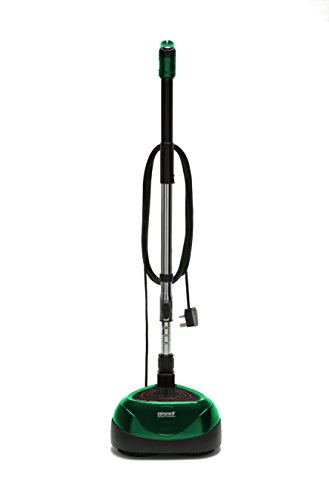
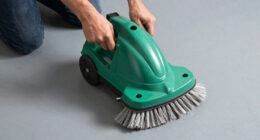
Bissell Commercial BigGreen BGFS650 Hercules Scrub and Clean Floor Machine, Green
Brush Speed (Rpm): 2200 Rpm
As an affiliate, we earn on qualifying purchases.

Bissell BigGreen BGFS5000 Portable Two Brush Floor Scrubber & Polisher, Polypropylene, 13"" W x 7"" D x 44"" H, White & Green
A small portable scrubbing machine that is perfect for cleaning brick, carpet, ceramic, concrete, cork, hard wood, laminate,...
As an affiliate, we earn on qualifying purchases.