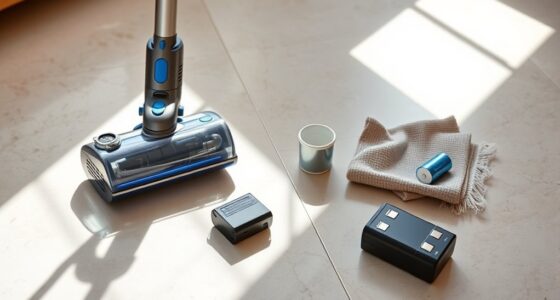
To keep your lidar and camera sensors functioning correctly, regularly clean their surfaces using a microfiber cloth and gentle, appropriate cleaning agents. Avoid harsh chemicals or abrasive materials that can damage the sensors. It’s important to perform routine cleaning and calibration to maintain accuracy and reliability. If your sensors show persistent issues or performance declines despite cleaning, it might be time for replacement or upgrades. Continue exploring to learn more about professional maintenance tips and best practices.
Key Takeaways
- Regularly clean sensor surfaces with microfiber cloths to remove dirt, dust, and smudges.
- Use gentle cleaning agents suitable for lidar and camera surfaces; avoid harsh chemicals.
- Schedule routine cleaning to maintain sensor responsiveness and data accuracy.
- Inspect sensors for persistent noise or misreads indicating possible contamination or damage.
- Replace sensors when cleaning and calibration no longer restore proper function or performance declines.

Sensors play a critical role in many systems, and maintaining them guarantees they perform accurately and reliably. Whether you’re dealing with lidar sensors or cameras, keeping these components clean is essential to ensure peak performance. Dirt, dust, and smudges can obscure sensor surfaces, leading to degraded data quality and potential system failures. Regular cleaning is just the first step; understanding the importance of sensor calibration and knowing when to consider sensor replacement are equally indispensable to maintaining system integrity.
Maintaining sensor cleanliness, calibration, and timely replacement ensures accurate performance and system reliability.
When you notice anomalies or inconsistencies in sensor readings, it’s a clear sign that calibration might be needed. Sensor calibration involves adjusting the sensor’s output to match known standards, guaranteeing that measurements are precise and consistent. Performing calibration regularly helps you maintain accuracy, especially after exposure to harsh environments or physical impacts that can shift sensor alignment. Neglecting calibration can result in skewed data, which might compromise safety-critical decisions, such as in autonomous vehicles or industrial automation.
In addition to calibration, you should keep an eye on the sensor’s physical condition. If cleaning doesn’t restore proper function or if the sensor’s performance continues to decline despite calibration efforts, it might be time for sensor replacement. Sensors have a finite lifespan, and over time, their internal components can degrade or become damaged. Recognizing signs of wear—such as persistent noise in data, inconsistent readings, or complete failure—is essential. Replacing sensors promptly prevents system downtime and maintains overall reliability.
When cleaning sensors like lidar or cameras, use appropriate cleaning agents and tools to avoid damaging sensitive surfaces. Gentle wipes with microfiber cloths and specialized cleaning solutions are typically recommended. Never use abrasive materials or harsh chemicals that could scratch or degrade the sensor surface. Regular cleaning, combined with periodic calibration, ensures your sensors remain accurate and responsive.
Additionally, understanding the history of pinball machines can provide insights into how technological innovations have evolved over time, similar to how sensor technology advances to improve performance and durability. If your sensor system is frequently malfunctioning despite diligent cleaning and calibration, it’s wise to evaluate whether a replacement is necessary. Sometimes, sensor technology advances quickly, and upgrading to newer models can provide better performance, extended lifespan, and enhanced features. Sensor replacement isn’t just about fixing problems; it’s an investment in maintaining the robustness of your entire system. Ultimately, a proactive approach—cleaning regularly, calibrating diligently, and replacing when needed—keeps your sensors functioning at their best, supporting safety, precision, and efficiency in your operations.

Oreck Commercial Orbiter Hard Floor Cleaner Machine, Multi-Purpose Floor Cleaning, Random Orbital Drive, Wide Cleaning Path, 50-Foot Long Cord, ORB550MC, Gray/Red
MULTI-PURPOSE CLEANING: Commercial grade cleaner and effective on all types of flooring surfaces. Sand, refinish, strip, scrub, wax,...
As an affiliate, we earn on qualifying purchases.
Frequently Asked Questions
How Often Should Sensors Be Checked for Calibration?
You should check your sensors for calibration at regular intervals, typically every 6 to 12 months, depending on usage and environmental conditions. Keep an eye out for sensor drift, which can affect accuracy. Regular calibration intervals are essential to guarantee your lidar and cameras maintain maximum performance. If you notice inconsistent readings or sensor errors, recalibrate sooner. Consistent checks help prevent issues and keep your sensors functioning reliably.
What Are the Best Cleaning Agents for Sensor Surfaces?
Imagine your sensors as delicate eyes that see the world—gentle cleaning is essential. For sensor cleaning, opt for isopropyl alcohol or a soft microfiber cloth dampened with distilled water. Avoid harsh chemicals that can damage surfaces. Proper agent selection guarantees clarity and precision, preventing streaks or residue. You want your sensors to shine like a clear lake, so choose cleaning agents that are effective yet gentle, maintaining their ideal performance.
Can Weather Conditions Affect Sensor Maintenance Routines?
Weather conditions definitely impact your sensor maintenance routine. Extreme rain, snow, or dust can reduce sensor durability and cause dirt buildup faster. You should adjust your maintenance scheduling based on these conditions, inspecting and cleaning sensors more frequently after harsh weather. Regular checks help guarantee your sensors function at their best, preventing damage or calibration issues caused by environmental factors. Staying proactive keeps your sensors reliable and extends their lifespan.
Are There Any DIY Methods to Repair Sensor Damage?
Like a skilled artisan, you can try DIY repairs for sensor damage, but proceed with caution. Use gentle cleaning tools, like microfiber cloths, to fix minor issues. For cracked lenses or severe damage, consider replacing components yourself if you’re comfortable, but remember, improper fixes might worsen the problem. Always consult your sensor’s manual or a professional before attempting complex repairs, ensuring your sensors stay reliable and accurate.
How Does Sensor Cleanliness Impact Vehicle Safety?
Sensor contamination directly impacts vehicle safety by reducing optical clarity, which can impair sensor performance. When your lidar and cameras are dirty or smudged, they may miss obstacles or misjudge distances, increasing the risk of accidents. Regularly cleaning your sensors guarantees they remain clear, maintaining accurate data collection. This simple step helps your vehicle respond correctly to its environment, keeping you and others safer on the road.

HHQ Commercial Floor Scrubber Machine with Brushes and Pads, Heavy Duty Floor Cleaner Polisher and Buffer- Deep Cleaning Tile and Grout, Hardwood Floors and Carpets without Getting on Hands and Knees
Kit Included: 1 Orbital Floor Buffer & Scrubber Machine, 2 Polishing/ Stripping Pads, 3 Scrub Brushes, 1 Microfiber...
As an affiliate, we earn on qualifying purchases.
Conclusion
To keep your sensors in top shape, regularly clean your lidar and cameras, just like a knight tending to his armor before battle. Don’t wait until dust and grime fog your view—stay proactive and preserve clear sensors for safe, reliable driving. Remember, neglecting this could turn your modern chariot into a clunky steed lost in fog. So, stay vigilant, keep things spotless, and guarantee your vehicle’s eyes are always sharp and ready for any adventure ahead.

Battery Powered Walk Behind Mini Automatic Floor Scrubber Machine – Compact & Portable, 15” Cleaning Width, 90-Minute Runtime, 170 RPM – Ideal for Small Commercial Spaces, Offices, Retail & More
Compact & Efficient Cleaning – Designed for small commercial spaces, this mini automatic floor scrubber features a 15-inch...
As an affiliate, we earn on qualifying purchases.
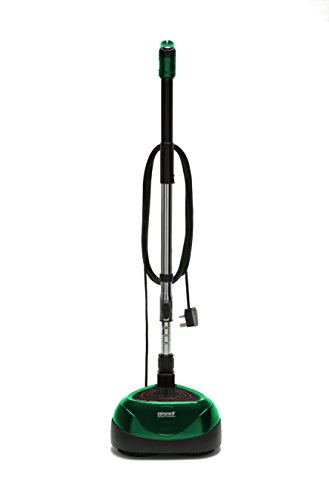
Bissell Commercial BigGreen BGFS650 Hercules Scrub and Clean Floor Machine, Green
Brush Speed (Rpm): 2200 Rpm
As an affiliate, we earn on qualifying purchases.