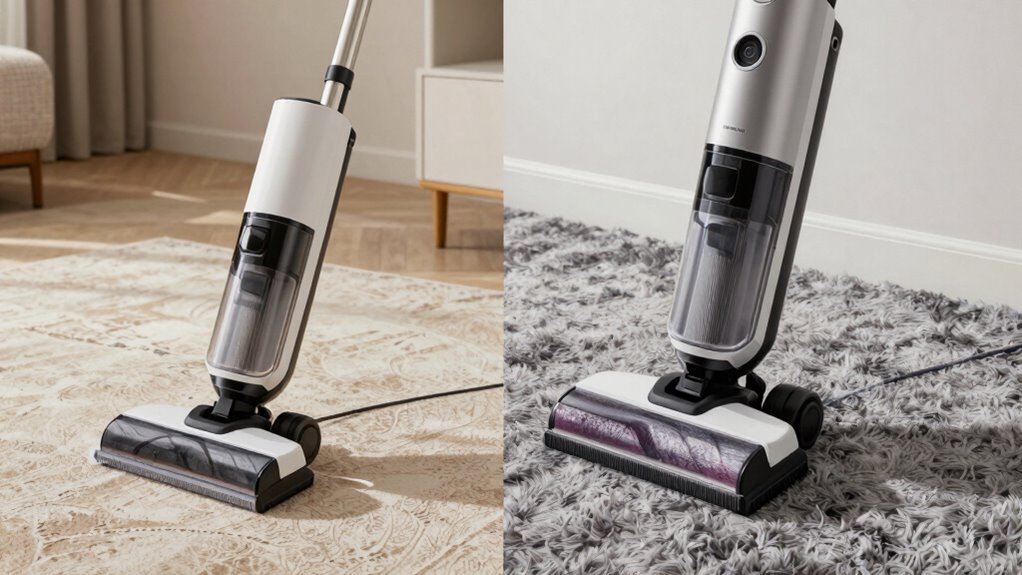

If you need a lightweight, easy-to-maneuver machine for quick spot cleans or tight spaces, a portable extractor is ideal. It’s budget-friendly and simple to use, perfect for small jobs, but may require frequent refills. For large areas or heavy-duty cleaning tasks, an upright extractor offers better efficiency with larger tanks and more power. Deciding which fits your needs depends on your cleaning environment; keep exploring for more details.
Open a free Amazon Business account
Business pricing, bulk buying and tax-exempt orders.
As an affiliate, we earn on qualifying purchases.
Key Takeaways
- Portable extractors are ideal for small spaces, quick spot cleaning, and tight corners, while upright models suit large-scale, heavy-duty cleaning.
- Upright extractors offer larger tanks and higher efficiency, making them better for frequent, extensive carpet cleaning.
- Portable models are more affordable and lightweight, perfect for occasional use or environments with limited storage space.
- Maintenance routines are essential for both types, but upright machines generally require checking belts and hoses more frequently.
- Choosing the right extractor depends on the cleaning environment’s size, frequency, and budget considerations.

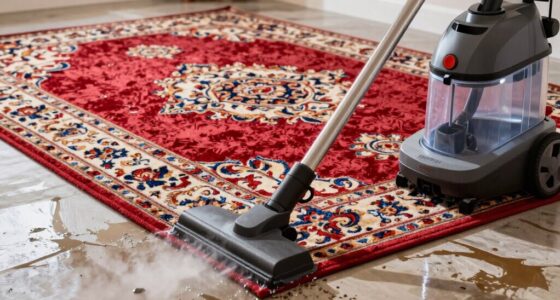
Are you unsure whether a portable or upright carpet extractor is better for your cleaning needs? It’s a common dilemma, especially when you contemplate the different environments and budget constraints involved. To help you decide, it’s important to weigh factors like maintenance tips and cost comparison, which can considerably influence your choice. Portable carpet extractors tend to be more lightweight and compact, making them ideal for quick spot cleaning and reaching tight spaces. They usually require less maintenance because their simpler design means fewer parts that can break or clog. However, you’ll want to stay on top of cleaning filters and brushes regularly to keep them running efficiently. Upright extractors, on the other hand, are generally more robust and designed for heavy-duty, large-scale cleaning. While they might seem more complex, proper maintenance—such as checking belts, hoses, and filters—can extend their lifespan and ensure peak performance. When considering the equipment, understanding kitchen appliances and their maintenance can offer useful parallels for maintaining cleaning machines. Moreover, knowing how regular upkeep impacts performance is crucial for any cleaning device. Additionally, selecting the right extractor involves evaluating user-friendly features that can streamline your cleaning process. It’s also beneficial to consider the ergonomics of the machine, as comfortable handling can reduce fatigue during extensive cleaning sessions. Proper maintenance routines can help prevent costly repairs and keep your equipment operating at optimal efficiency. When it comes to cost comparison, portable models are often more affordable upfront, making them appealing if you’re working with a tight budget or need a machine for occasional use. But keep in mind, their smaller tanks mean you might need to refill more often, which can add to your labor costs over time. Upright extractors tend to have a higher initial investment, but they often offer higher cleaning efficiency and larger tanks, reducing the need for frequent refills. This can make them more cost-effective in the long term if you’re cleaning large areas regularly. Besides the initial cost, don’t forget to consider ongoing expenses like parts, repairs, and maintenance supplies. Portable models typically have lower repair costs because they’re simpler in design, but they might need more frequent replacement of certain components. Upright machines, although more expensive to repair, are built for durability and can handle extensive use without significant issues. Ultimately, your decision should align with your specific cleaning environment. If you’re cleaning small spaces, tight corners, or need a lightweight, budget-friendly option, a portable extractor makes sense. For large, commercial spaces or frequent deep cleaning, investing in an upright extractor might save you time and money in the long run. By considering maintenance tips and doing a thorough cost comparison, you can choose the right tool that fits your needs, keeps your carpets looking their best, and stays within your budget.
As an affiliate, we earn on qualifying purchases.
Frequently Asked Questions
How Long Does It Take to Dry Carpets With Each Type?
You’ll notice carpet drying times vary with each extractor type. Portable units typically take longer because they have less power for moisture removal, often needing 4-8 hours. Upright extractors usually dry carpets faster, often within 2-4 hours, thanks to stronger suction and heat. To accelerate carpet drying, make certain proper moisture removal during cleaning, use fans, and increase air circulation. This helps prevent mold and keeps your carpets fresh.
Are Portable Extractors Suitable for Commercial Cleaning?
Are portable extractors suitable for commercial cleaning? Absolutely, especially if you value industrial durability and user convenience. They’re lightweight, easy to maneuver, and perfect for quick, targeted spot cleaning or areas with tight spaces. While they may not handle large areas as efficiently as upright models, their portability makes them ideal for diverse commercial settings where flexibility and ease of use matter most.
What Maintenance Is Required for Upright Extractors?
You need to follow a regular maintenance schedule for upright extractors to keep them running smoothly. This includes cleaning filters, checking hoses, and inspecting brushes after each use. Part replacement is essential when components wear out, such as belts or nozzles. Regularly servicing your extractor prevents breakdowns, extends its lifespan, and guarantees peak cleaning performance. Keep track of maintenance tasks to avoid costly repairs and maintain efficiency.
Can Both Types Clean Deep Stains Effectively?
Yes, both portable and upright carpet extractors can clean deep stains effectively if used correctly. They penetrate carpets deeply, reaching the fibers to remove stubborn stains. Upright extractors often have more powerful suction and larger brushes for better carpet penetration, making them ideal for tough, deep stains. Portable units are versatile and great for spot cleaning or tight spaces, but both can achieve excellent deep stain removal when operated properly.
Which Extractor Is More Eco-Friendly?
They say, “Less is more,” and when choosing an extractor, eco-friendliness matters. Portable extractors often use less energy, making them more eco-friendly due to lower energy consumption. Upright models might incorporate eco-friendly materials, but generally, portable units are designed with sustainability in mind. So, if reducing your carbon footprint is a priority, go for one that emphasizes eco-friendly materials and energy efficiency.
Conclusion
Whether you choose a portable or upright carpet extractor, imagine walking into a room where every fiber gleams with freshness, and dirt has been banished. Picture the inviting aroma of a spotless carpet, welcoming family and friends. Your decision creates this moment of comfort—so think about where you’ll use it most and what feels right in your hand. Either way, you’re transforming your space into a clean, cozy haven you’ll love to enjoy.
NFL season / tailgating Picks
team gear
As an affiliate, we earn on qualifying purchases.