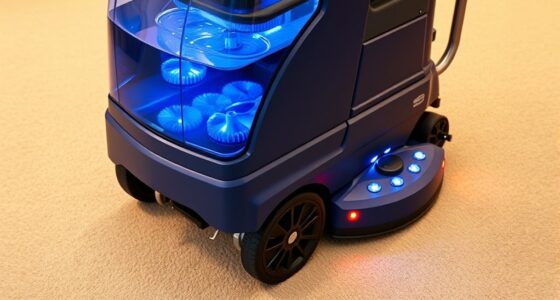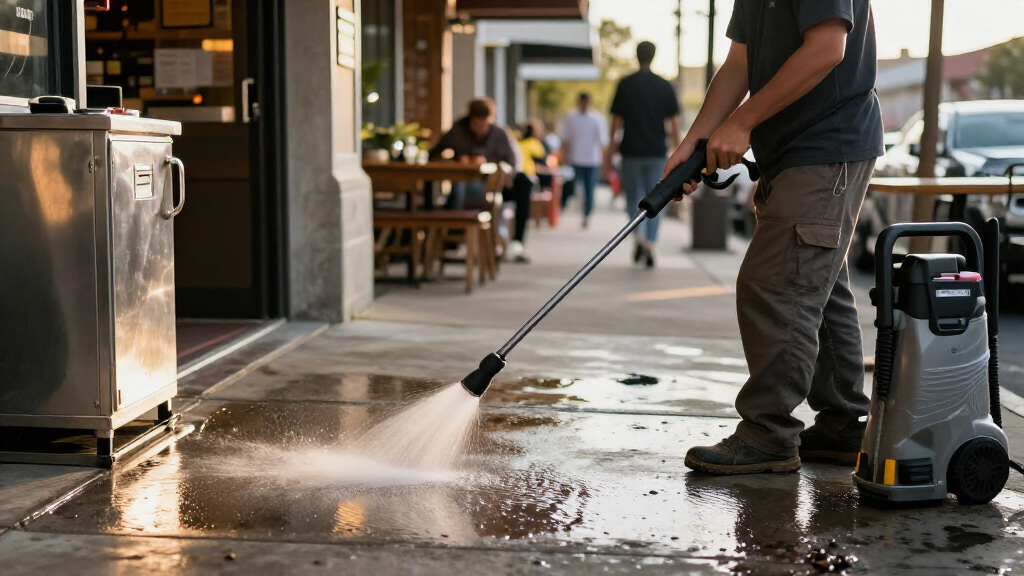
For most demanding cleaning work, my best overall pick is the Simpson PS4240 PowerShot, pairing a Honda GX390 engine with 4200 PSI and 4.0 GPM. The Simpson Aluminum Series 4200 PSI offers a similar high-output setup with an aluminum frame, while the 2200 PSI commercial electric washer suits quieter, lighter-duty jobs where gas power is a poor fit. The main tradeoff is between flow and pressure for faster cleaning, and the noise, upkeep, and portability costs of gas models. I compare all 14 options by output, engine, construction, and practical fit below. Continue reading for the full breakdown and a guide to choosing for your workload.

Get cleaning gear delivered free with Prime
- Fast, free delivery on millions of items
- Prime Video, Amazon Music and more included
- Member-only deals all year
Complete the kit


Key Takeaways
- The PS4240 is the strongest all-around match for sustained heavy work among these listings, combining a Honda GX390 with 4200 PSI and 4.0 GPM; its gas-engine upkeep and larger footprint are part of the package.
- Higher flow matters as much as a headline PSI figure: the 4.0 GPM options are better suited to moving debris across large surfaces than the 2.5 GPM Simpson models, even when their pressure ratings look similar.
- The 4400 PSI, 4.5 GPM electric-start model claims the highest output, but buyers should verify pump, parts, and service information before choosing it over the established Simpson GX390 options.
- Honda GX200 Simpson models prioritize familiar engine support over maximum throughput; they make more sense for regular moderate-duty work than for crews trying to reduce cleaning time on large areas.
- The electric PM Inverter is the lineup’s outlier for quieter operation, but its 2200 PSI rating makes it a different tool from the gas-powered high-flow machines, not a direct substitute for heavy commercial cleaning.


| commercial pressure washer | Engine | Flow rate | Nozzles | Hose length |
|---|---|---|---|---|
| Steupoek 4200 PSI Gas Pressure | 7 HP, 212cc gasoline | — | Five tips (0°, 15°, 25°, 40°, 60°) plus soap nozzle | 25 ft |
| Simpson PowerShot PS3228 Gas P | Honda GX200 | 2.5 GPM | Five quick-connect tips (0°, 15°, 25°, 40°, soap) | — |
| Westinghouse WPX3400 Gas Press | 212cc 4-stroke OHV | 2.6 GPM | Five (0°, 15°, 25°, 40°, soap) | 25 ft |
| Simpson PS4240 PowerShot Gas P | Honda GX390 | 4.0 GPM | Five quick-connect tips (0°, 15°, 25°, 40°, soap) | 50 ft, dual-braided |
| 4200 PSI 4.0 GPM Gas Pressure | 212cc, 7 HP, 4-stroke OHV gasoline | 4.0 GPM | Five quick-connect nozzles | 25 ft |
| Simpson Aluminum Series 3400 P | Honda GX200, 196 cc, 5.8 HP | 2.5 GPM | Five quick-connect: 0°, 15°, 25°, 40°, and soap | — |
| 4200 PSI Gas Pressure Washer | 212 cc, 7 HP | — | Five | — |
| 2200 PSI 3.2 GPM Commercial El | — | 3.2 GPM | — | — |
| 4400 PSI Electric Start Gas Pr | 420 cc, 4-stroke | 4.5 GPM | Five quick-connect | — |
| Simpson PowerShot 4400 PSI Gas | CRX 420 cc | 4.0 GPM | — | — |
| Simpson Aluminum Series 4200 P | Honda GX390 | 4.0 GPM | — | 50 ft |
| 4200 PSI Gas Pressure Washer w | 212 cc, 7 HP four-stroke | 4.0 GPM | — | 32 ft |
| Simpson PowerShot 3500 PSI Gas | Honda GX200 | 2.5 GPM | 5 quick-connect tips | 25 ft |
| Simpson Aluminum Series 3600 P | Honda GX200 | 2.5 GPM | — | 35 ft |
More Details on Our Top Picks
Steupoek 4200 PSI Gas Pressure Washer, 7 HP 212cc, 4.0 GPM, 5 Nozzle Set
The Steupoek combines 4.0 GPM flow with 4200 PSI, giving it the output for demanding cleaning without the 136-pound heft of the Simpson PS4240. At 66 pounds, it is easier to load and reposition, though still substantial for frequent solo lifting. Its 25-foot hose and never-flat tires suit work around driveways, decks, and outdoor furniture; the five spray tips plus soap nozzle add flexibility across jobs. Compared with the Westinghouse WPX3400, it offers higher pressure and flow for faster removal of stubborn grime, but also brings greater fuel and engine-maintenance demands. The 212cc engine and compact footprint make it a practical high-output choice, while the shorter hose means more repositioning than the Simpson’s 50-foot setup.
Pros:- 4.0 GPM and 4200 PSI support demanding outdoor cleaning.
- At 66 pounds, it is lighter than the Simpson PS4240 while offering matching listed pressure and flow.
- Five spray tips and a separate soap nozzle accommodate different cleaning tasks.
- Never-flat tires and a 25-foot hose help with routine movement around a property.
Cons:- The 25-foot hose requires more repositioning than the Simpson PS4240’s 50-foot hose.
- A 66-pound gas unit can still be awkward to lift into a vehicle.
- Gas power requires fuel handling and regular engine maintenance.
Best for: Property-maintenance operators who need 4.0 GPM cleaning capacity but regularly load the washer without a crew.
Not ideal for: Contractors who need a long hose to cover large job sites with fewer moves, or buyers who want a lighter electric machine.
- Maximum pressure:4200 PSI
- Maximum flow rate:4.0 GPM
- Engine:7 HP, 212cc gasoline
- Hose length:25 ft
- Nozzles:Five tips (0°, 15°, 25°, 40°, 60°) plus soap nozzle
- Soap tank:1 L
- Weight:66 lb
- Dimensions:20 × 20 × 22 in
Our verdict“Choose the Steupoek if you want 4.0 GPM output in a more manageable package than the heavier Simpson PS4240.”
Simpson PowerShot PS3228 Gas Pressure Washer, 3300 PSI, 2.5 GPM, Honda GX200 Engine, Spray Gun, Extension Wand, 5 Quick-Connect Nozzles, 5/16-in x 25-ft Morflex Hose (49-State)
The PS3228 trades the high flow of the 4.0 GPM Steupoek and Simpson PS4240 for a Honda GX200 engine and a triplex pump in a rugged, job-ready frame. Its 3300 PSI and 2.5 GPM are suited to recurring cleaning where a dependable gas platform matters more than moving water as quickly as the higher-flow machines. The 25-foot Morflex hose and five quick-connect nozzles cover standard site tasks, while pneumatic tires help over uneven ground. At 77 pounds, it is easier to handle than the PS4240, but not light enough to make solo lifting easy. One buying restriction matters: this configuration is not sold in California. Compared with the Westinghouse WPX3400, the Simpson offers a named Honda engine and triplex pump, but lower listed pressure and flow.
Pros:- Honda GX200 engine includes low-oil shutdown.
- AAA triplex plunger pump suits a contractor-style equipment setup.
- Kink-resistant 25-foot Morflex hose and five quick-connect nozzles cover common tasks.
- Steel frame and 10-inch pneumatic tires help on uneven work surfaces.
Cons:- Lower 2.5 GPM flow than the Steupoek and Simpson PS4240 means slower coverage on broad surfaces.
- At 77 pounds, lifting it into a vehicle can be difficult for one person.
- 49-state compliance means it is not sold in California.
Best for: Small contractors and property-maintenance crews who value a Honda GX200 and triplex pump for recurring medium-duty cleaning.
Not ideal for: California buyers, solo operators needing an easy-to-lift machine, or crews prioritizing 4.0 GPM productivity.
- Maximum pressure:3300 PSI
- Flow rate:2.5 GPM
- Engine:Honda GX200
- Pump:AAA triplex plunger pump
- Hose:5/16-in × 25-ft Morflex
- Nozzles:Five quick-connect tips (0°, 15°, 25°, 40°, soap)
- Weight:77 lb
- Compliance:49-state; not sold in California
Our verdict“Pick the PS3228 for its Honda-powered, triplex-pump setup if 2.5 GPM is enough and California availability is not a concern.”
Westinghouse WPX3400 Gas Pressure Washer, 3400 PSI, 2.6 GPM, Onboard Soap Tank, 5 Nozzle Set
The WPX3400 lands between the 3300 PSI Simpson PS3228 and the 4200 PSI machines in this group, making it a sensible fit for regular property cleaning without chasing maximum output. Its 3400 PSI and 2.6 GPM provide a modest step up in pressure and flow from the PS3228, while remaining well below the 4.0 GPM Steupoek and Simpson PS4240 for coverage speed. The onboard soap tank is useful when a job calls for detergent, and the five-nozzle set lets the operator change spray patterns without a separate accessory purchase. Never-flat, 12-inch wheels avoid pneumatic-tire upkeep, but the product data does not list weight, so buyers cannot gauge lifting effort from the supplied specs. Gas power also brings engine care and fuel handling.
Pros:- 3400 PSI and 2.6 GPM exceed the Simpson PS3228’s listed pressure and flow.
- Onboard soap tank simplifies detergent application.
- Five nozzles cover several spray patterns, including soap.
- Never-flat 12-inch wheels avoid the inflation and puncture concerns of pneumatic tires.
Cons:- Its 2.6 GPM flow is well below the 4.0 GPM Steupoek and Simpson PS4240.
- Gas engine operation requires fuel handling and routine maintenance.
- Supplied product data gives no weight, making transport effort harder to judge.
Best for: Home-service operators and property caretakers cleaning decks, driveways, and outdoor furniture on a recurring schedule.
Not ideal for: Commercial crews who need 4.0 GPM flow for faster large-area work, or buyers who want a light, maintenance-free electric washer.
- Maximum pressure:3400 PSI
- Flow rate:2.6 GPM
- Engine:212cc 4-stroke OHV
- Hose length:25 ft
- Nozzles:Five (0°, 15°, 25°, 40°, soap)
- Onboard soap tank:Yes
- Fuel tank capacity:3.3 L
- Wheels:12-inch high-profile, never-flat
Our verdict“Choose the WPX3400 for varied property-maintenance jobs if you want an onboard soap tank and do not need the 4.0 GPM output of the larger machines.”
Simpson PS4240 PowerShot Gas Pressure Washer with Honda GX390 Engine, 4200 PSI @ 4.0 GPM
For crews prioritizing sustained, high-volume cleaning, the PS4240 pairs 4200 PSI and 4.0 GPM with a Honda GX390 and AAA triplex pump. Its strongest distinction from the Steupoek is not output—the two list the same pressure and flow—but the 50-foot dual-braided hose, which gives a crew more reach before moving the machine. The tradeoff is substantial: at 136 pounds, this is far less convenient to load than the 66-pound Steupoek, so it suits a job site with transport help better than a frequently moved solo setup. The steel frame and pneumatic tires support rougher work areas, while the listed engine, pump, and frame warranty terms provide defined coverage. California buyers should note the 49-state restriction.
Pros:- 4200 PSI and 4.0 GPM support fast, demanding cleaning work.
- Honda GX390 engine and AAA triplex pump form a professional-grade powertrain.
- 50-foot hose reduces the need to reposition the machine compared with the Steupoek’s 25-foot hose.
- Listed warranty coverage includes the engine, pump, and frame.
Cons:- At 136 pounds, it is much harder to transport than the Steupoek.
- 49-state compliance means it is not available in California.
- High output and gas power may be unnecessary for smaller, occasional cleaning jobs.
Best for: Contractors cleaning large outdoor surfaces who can keep the washer on a job site or have help moving its 136-pound frame.
Not ideal for: Solo operators who frequently load equipment, California buyers, or users whose jobs do not need 4.0 GPM flow.
- Maximum pressure:4200 PSI
- Flow rate:4.0 GPM
- Engine:Honda GX390
- Pump:AAA triplex plunger pump
- Hose length:50 ft, dual-braided
- Nozzles:Five quick-connect tips (0°, 15°, 25°, 40°, soap)
- Weight:136 lb
- Tires:13-inch pneumatic
- Warranty:Engine 3 years; pump 5 years; frame 10 years, limited
Our verdict“Choose the PS4240 for demanding job-site work where its long hose and high-output Honda powertrain justify the heavy frame.”
4200 PSI 4.0 GPM Gas Pressure Washer, 212cc Heavy Duty Power Washer for Outdoor Cleaning
This 212cc washer matches the Steupoek on its headline 4200 PSI and 4.0 GPM, but its 3.6-liter fuel tank is the more distinctive feature for operators planning longer cleaning sessions. That capacity can reduce interruptions to refuel, though the supplied product data does not state runtime. Its 10-inch pneumatic wheels and steel frame point to outdoor job use, while five quick-connect nozzles cover common spray patterns. Compared with the Simpson PS4240, it offers the same listed output in a smaller-engine package, but lacks the Simpson’s named Honda GX390, 50-foot hose, and stated warranty details; the supplied hose is 25 feet. EPA, CARB, and ETL certifications are listed, making this a different compliance profile from the PS3228, which is explicitly 49-state only.
Pros:- 4200 PSI and 4.0 GPM match the listed output of the Steupoek and Simpson PS4240.
- 3.6-liter fuel tank supports longer work intervals between refueling.
- Five quick-connect nozzles offer spray options for varied surfaces.
- EPA, CARB, and ETL certifications are listed in the product data.
Cons:- The 25-foot hose is shorter than the Simpson PS4240’s 50-foot hose.
- The supplied specifications do not identify a pump type or warranty coverage.
- Gas engine operation requires regular maintenance and fuel management.
Best for: Small commercial operators who want 4.0 GPM output and a larger fuel tank for extended outdoor cleaning sessions.
Not ideal for: Crews that need a long-reach hose, a named premium engine, or detailed warranty and pump information before choosing equipment.
- Maximum pressure:4200 PSI
- Flow rate:4.0 GPM
- Engine:212cc, 7 HP, 4-stroke OHV gasoline
- Nozzles:Five quick-connect nozzles
- Hose length:25 ft
- Fuel tank capacity:3.6 L
- Wheels:10-inch pneumatic
- Certifications:EPA, CARB, ETL
Our verdict“Pick this model if its larger fuel tank and listed certifications matter more to your work than the Simpson PS4240’s longer hose and named GX390 engine.”
Simpson Aluminum Series 3400 PSI Gas Pressure Washer with Honda GX200 Engine (ALH3228-S)
The aircraft-grade aluminum frame gives this Simpson a useful advantage for crews working around wet conditions, where a steel frame may need more attention to corrosion. Its 3400 PSI and 2.5 GPM suit deck cleaning and wood restoration, while the Honda GX200 and CAT triplex pump target regular work rather than occasional light-duty jobs. Compared with the Simpson PowerShot 4400 PSI, 4.0 GPM, CRX 420cc Engine, this model gives up substantial pressure and flow, but is lighter in frame material and better matched to jobs where control matters more than rapid coverage of large concrete areas. The 25-foot hose and five nozzles cover common tasks, though the short reach can mean repositioning. It still requires fuel and engine maintenance, and its frame warranty is only one year.
Pros:- Honda GX200 engine and CAT triplex pump are suited to recurring work.
- Aircraft-grade aluminum frame resists corrosion.
- Pneumatic tires help move the washer across uneven work areas.
- Five quick-connect nozzles support different spray patterns and soap application.
Cons:- At 2.5 GPM, it clears broad, heavily soiled surfaces more slowly than higher-flow gas models.
- Gas operation brings fueling, noise, and routine engine maintenance.
- The frame warranty is one year, shorter than the engine and pump warranties.
Best for: Deck and wood-restoration contractors who want a commercial gas washer with a corrosion-resistant frame and manageable output.
Not ideal for: Crews clearing large concrete areas quickly or buyers who need long hose reach; its 2.5 GPM flow and 25-foot hose lag behind the higher-output 4400 PSI Simpson PowerShot.
- Pressure:3400 PSI
- Flow rate:2.5 GPM
- Engine:Honda GX200, 196 cc, 5.8 HP
- Pump:CAT industrial triplex plunger pump
- Hose:25 ft, 5/16 in
- Frame:Aircraft-grade aluminum
- Tires:10-inch pneumatic
- Nozzles:Five quick-connect: 0°, 15°, 25°, 40°, and soap
- Warranty:Engine: 3-year commercial; pump: 5-year; frame: 1-year
Our verdict“Choose this Simpson for mobile deck and restoration work where an aluminum frame and Honda-powered pump matter more than maximum cleaning speed.”
4200 PSI Gas Pressure Washer, 4.0 GPM, 212CC Gas Powered Commercial High Pressure Washer with 25ft Hose & 5 Nozzles
With 4200 PSI and 4.0 GPM, this washer offers the kind of flow that can shorten cleaning time on driveways and other broad surfaces. Its 212cc engine keeps the package simpler than the 420cc units in the Simpson PowerShot 4400 PSI models, while still delivering considerably more flow than the Simpson Aluminum Series 3400 PSI. That makes it a practical middle ground for crews seeking higher throughput without moving to the largest engines in this lineup. The 25-foot hose and five nozzles cover basic job needs, but the hose is notably shorter than the 50-foot lines supplied with both 4400 PSI options. At 60 pounds, it is portable on its wheels, not effortless to lift into a vehicle. Buyers should also factor in fuel, engine upkeep, and operating noise.
Pros:- 4.0 GPM flow supports faster coverage of broad outdoor surfaces than 2.5 GPM washers.
- 4200 PSI provides substantial cleaning force for demanding jobs.
- Five nozzles and a soap tank allow changes between common cleaning tasks.
- EPA, CARB, and ETL certifications are specified.
Cons:- The 25-foot hose offers less reach than the 50-foot hoses on the 4400 PSI models.
- Its 60-pound weight can make lifting and vehicle transport awkward.
- Gas engine operation requires fuel, oil care, and tolerance for noise.
Best for: Small property-maintenance crews that need 4.0 GPM for driveways and outdoor surfaces but want a 212cc gas-powered unit.
Not ideal for: Operators who need extended reach or frequent vehicle loading; the 25-foot hose and 60-pound weight are less convenient than longer-hose setups.
- Maximum pressure:4200 PSI
- Maximum flow rate:4.0 GPM
- Engine:212 cc, 7 HP
- Hose:25 ft
- Weight:60 lb
- Dimensions:20 × 20 × 22 in
- Nozzles:Five
- Certifications:EPA, CARB, ETL
Our verdict“Pick this model for high-flow driveway and property work when you want 4.0 GPM without stepping up to a 420cc washer.”
2200 PSI 3.2 GPM Commercial Electric Pressure Washer – PM Inverter 3 HP Motor, Horizontal Triplex Pump, 65 dB Quiet, 7 Nozzles (0°,15°,25°,40°,Soap,Turbo) for Cars & Driveway
This electric washer trades the peak force of gas models for 65 dB operation and a setup that avoids fuel and engine maintenance. Its 2200 PSI is below the Simpson Aluminum Series 3400 PSI and far below the 4400 PSI Simpson PowerShot, so it is a better fit for recurring vehicle, driveway, and moderate-duty cleaning than for the most stubborn commercial buildup. The 3.2 GPM flow helps move water across surfaces more readily than many lower-flow electric options, while the horizontal triplex pump is specified for continuous professional use. A 47-foot hose and 40-foot power cord provide useful reach, but the unit needs a compatible 90–120 V outlet and access to power, unlike the gas washers. Its wall-mountable format and one-year warranty may also limit fit for mobile crews.
Pros:- Specified 65 dB operation is quieter than the gas washers in this roundup.
- 3.2 GPM flow gives useful water volume for vehicle and driveway cleaning.
- 47-foot hose and 40-foot power cord provide reach around a work area.
- Seven nozzles, foam cannon, and detergent tank support varied cleaning setups.
Cons:- 2200 PSI is a substantial step down from the 3400–4400 PSI gas options.
- Requires a 90–120 V power source, limiting use at remote sites.
- The stated one-year warranty is shorter than the pump and engine coverage listed for some gas models.
Best for: Auto detailers and property teams working near power who value quieter operation and long hose reach over gas-level pressure.
Not ideal for: Remote job sites or crews removing heavy, entrenched grime; it needs 90–120 V power and offers less pressure than the gas models.
- Pressure:2200 PSI
- Flow rate:3.2 GPM
- Motor:3 HP permanent-magnet inverter
- Pump:Horizontal triplex, Japan
- Noise level:65 dB
- Voltage:90–120 V
- Hose and power cord:47 ft hose; 40 ft power cord
- Detergent tank:1 L
- Warranty:1 year
Our verdict“Choose this electric model for quieter, power-accessible cleaning where hose reach and reduced engine upkeep matter more than maximum pressure.”
4400 PSI Electric Start Gas Pressure Washer, 4.5 GPM, 420cc Engine
This model leads the group on stated flow with 4.5 GPM, paired with 4400 PSI for work where moving water quickly across concrete, equipment, or large outdoor areas is a priority. The 50-foot steel-reinforced hose gives it a reach advantage over the 25-foot Simpson Aluminum Series and the 212cc 4200 PSI washer. Electric start, backed by recoil, can make repeated starts more convenient on a busy workday. Compared with the Simpson PowerShot 4400 PSI, 4.0 GPM, CRX 420cc Engine, this washer specifies more flow and electric start, but the available product data does not identify the pump or frame construction, so buyers have less detail for judging long-term serviceability. Its 420cc engine and heavy build also mean more fuel, maintenance, transport effort, and storage space.
Pros:- 4.5 GPM is the highest stated flow rate among these five products.
- 4400 PSI supports demanding exterior cleaning.
- Electric start includes recoil backup.
- 50-foot steel-reinforced hose extends reach between repositioning.
Cons:- The 420cc gas engine requires fueling and regular maintenance.
- Heavy construction can make loading and transport difficult.
- Pump and frame details are not specified in the supplied product data.
Best for: Contractors cleaning large concrete areas or equipment who value high water throughput, a 50-foot hose, and electric starting.
Not ideal for: Solo operators who must lift equipment often or buyers seeking detailed pump and frame specifications; this is a large, heavy gas unit with limited construction detail provided.
- Pressure:4400 PSI
- Flow rate:4.5 GPM
- Engine:420 cc, 4-stroke
- Power:15 HP
- Starting:Electric start with recoil backup
- Hose:50 ft, steel-reinforced
- Nozzles:Five quick-connect
- Tires:10-inch never-flat pneumatic
Our verdict“Choose this washer for large, demanding jobs where its 4.5 GPM flow, electric start, and 50-foot hose outweigh its size and maintenance needs.”
Simpson PowerShot 4400 PSI Gas Pressure Washer, 4.0 GPM, CRX 420cc Engine
The welded steel frame and 420cc CRX engine make this Simpson a clear choice for demanding, frequent outdoor work. At 4400 PSI and 4.0 GPM, it has more pressure than the 4200 PSI 212cc washer, while the 50-foot hose gives it twice the reach of that model’s 25-foot line. It also shares its pressure rating and hose length with the 4400 PSI electric-start washer, but lists 4.0 rather than 4.5 GPM and does not specify electric starting. That makes this PowerShot a straightforward heavy-duty option, not the highest-throughput pick. Five nozzle tips cover common spray patterns, and pneumatic tires support movement around a job site. The tradeoffs are a heavy gas-powered frame, operational noise, and a stated 49-state compliance status that excludes California.
Pros:- 4400 PSI and 4.0 GPM suit demanding commercial outdoor cleaning.
- Welded steel frame is built for a rugged job-site setup.
- 50-foot hose provides greater reach than the 25-foot options.
- Five quick-connect tips cover several common cleaning patterns.
Cons:- 49-state compliance means it does not ship to California.
- Heavy gas-powered construction can be difficult to transport and store.
- The product data does not specify electric start, and gas operation requires fueling and maintenance.
Best for: Contractors who need a heavy-duty 4400 PSI washer with a welded steel frame for recurring outdoor cleaning in eligible states.
Not ideal for: California buyers, operators who need electric start, or crews prioritizing the highest flow; the other 4400 PSI model lists 4.5 GPM and electric start.
- Pressure:4400 PSI
- Flow rate:4.0 GPM
- Engine:CRX 420 cc
- Hose:50 ft
- Frame:Welded steel
- Nozzle tips:Five: 0°, 15°, 25°, 40°, and soap
- Compliance:49-state compliant
Our verdict“Pick this PowerShot for recurring heavy-duty work when you want a steel-frame 4400 PSI washer and do not need California availability or electric start.”
Simpson Aluminum Series 4200 PSI Gas Pressure Washer, 4.0 GPM, Honda GX390
I’d put this Aluminum Series model near the top for crews that need 4.0 GPM flow and 4200 PSI for large, stubborn outdoor jobs. Its Honda GX390 engine and 50-foot hose give it a practical edge over the Simpson PowerShot 3500 PSI, 2.5 GPM: the higher flow can help clear broad concrete areas faster, while the extra hose length reduces how often the machine needs repositioning. The aircraft-grade aluminum frame is a portability advantage over steel-frame alternatives, but it does not make this a light unit at 133 pounds. I’d also weigh the one-year frame warranty against the Aluminum Series 3600 PSI model’s longer stated frame coverage. This is a strong fit for demanding work, but California buyers should skip it because it is not suitable for sale there.
Pros:- 4.0 GPM flow and 4200 PSI suit demanding concrete and graffiti-cleaning work
- Honda GX390 engine is suited to sustained professional use
- 50-foot kink-resistant hose provides more reach than the 25-foot hose on the Simpson PowerShot 3500 PSI
- Aircraft-grade aluminum frame offers a corrosion-resistant alternative to steel
Cons:- At 133 pounds, it remains difficult to load or move despite its aluminum frame
- One-year frame warranty is shorter than the 10-year frame warranty listed for the Aluminum Series 3600 PSI
- Not suitable for sale in California
Best for: Professional cleaners and property-maintenance crews who need high flow, a long hose, and a gas-powered machine for extensive outdoor surfaces.
Not ideal for: California buyers, solo operators who need to lift equipment into a vehicle frequently, or users who want longer frame warranty coverage.
- Pressure:4200 PSI
- Flow rate:4.0 GPM
- Engine:Honda GX390
- Hose length:50 ft
- Frame material:Aircraft-grade aluminum
- Weight:133 lb
- Frame warranty:1 year
- Pump warranty:5 years
- Engine warranty:3 years
Our verdict“Choose this for high-flow commercial cleaning and long hose reach if its weight and California sales restriction fit your situation.”
4200 PSI Gas Pressure Washer with 4.0 GPM Flow, 212CC Engine, 32 ft Hose Reel & 5 Nozzles – Dark Black
This model pairs 4200 PSI and 4.0 GPM with useful job-site provisions: a 32-foot hose, five nozzle choices, and large fuel and soap tanks. That combination makes it a more self-contained option than the Simpson Aluminum Series 4200 PSI, whose supplied hose is longer at 50 feet but whose listed details do not include tank capacities. The pneumatic wheels and steel frame suit rough outdoor surfaces, while the 212 cc engine avoids the larger GX390 engine specified on that Simpson. The tradeoff is that the product data gives less engine-brand and warranty detail, which matters to buyers planning frequent commercial use. Gas exhaust and noise also limit where it can operate; this is strictly an outdoor machine, not a quiet indoor-shop solution.
Pros:- 4.0 GPM flow and 4200 PSI provide high output for demanding outdoor cleaning
- Five quick-connect nozzles cover a range of spray patterns
- 3.6 L fuel tank and 3 L soap tank support longer work between refills
- 10-inch pneumatic wheels help traverse uneven outdoor surfaces
Cons:- Gas engine noise and exhaust rule it out for indoor use and noise-sensitive sites
- 32-foot hose is shorter than the 50-foot hose on the Simpson Aluminum Series 4200 PSI
- Provided product details do not specify an engine brand or warranty coverage
Best for: Outdoor maintenance teams that value included nozzle options, onboard fuel and soap capacity, and mobility across uneven ground.
Not ideal for: Buyers who need a quiet or indoor-capable washer, a longer hose than 32 feet, or a specified established-brand engine and warranty package.
- Pressure:4200 PSI
- Flow rate:4.0 GPM
- Engine:212 cc, 7 HP four-stroke
- Hose length:32 ft
- Nozzles included:5: 0°, 15°, 25°, 40°, 60°
- Fuel tank capacity:3.6 L
- Soap tank capacity:3 L
- Wheels:10-inch pneumatic
- Certifications:EPA, CARB, ETL
Our verdict“Pick this for outdoor jobs where its tank capacity, nozzle set, and pneumatic wheels matter more than a longer hose or a specified engine brand.”
Simpson PowerShot 3500 PSI Gas Pressure Washer, 2.5 GPM, Honda GX200 Engine
I see the PowerShot 3500 as a more measured workhorse than the 4.0 GPM machines here. Its 3500 PSI and 2.5 GPM suit decks, siding, and driveways where controlled cleaning and a smaller water draw matter more than maximum surface-clearing speed. Against the Simpson Aluminum Series 4200 PSI, it gives up substantial flow and pressure, but weighs 74 pounds rather than 133 and uses a durable Honda GX200 with an AAA triplex pump. The 25-foot hose and five quick-connect tips provide practical job flexibility, though the Aluminum Series 3600 offers a 35-foot hose for fewer repositioning stops. This is still a gas-powered machine that needs engine and pump upkeep, and it is not suitable for sale in California.
Pros:- 3500 PSI and 2.5 GPM balance cleaning force with lower flow than the 4.0 GPM models
- Honda GX200 engine includes low-oil shutdown
- AAA triplex pump is suited to demanding work
- Five quick-connect tips and pneumatic tires support varied jobs and repositioning
Cons:- 2.5 GPM flow is slower for broad surfaces than the 4.0 GPM Simpson Aluminum Series 4200 PSI
- 25-foot hose is shorter than the 35-foot hose on the Aluminum Series 3600 PSI
- Requires engine and pump maintenance, and is not suitable for sale in California
Best for: Contractors and property-maintenance operators handling decks, siding, and medium-sized driveways who want a professional gas washer without 4.0 GPM output.
Not ideal for: Crews focused on fast cleaning of large concrete areas, buyers needing extended hose reach, or California shoppers.
- Pressure:3500 PSI
- Flow rate:2.5 GPM
- Engine:Honda GX200
- Pump:AAA triplex pump
- Hose length:25 ft
- Weight:74 lb
- Dimensions:21 in L × 24 in W × 34 in H
- Nozzles:5 quick-connect tips
Our verdict“Choose the PowerShot 3500 when you want a professional Honda-powered washer for varied property work but do not need maximum flow.”
Simpson Aluminum Series 3600 PSI Gas Pressure Washer, 2.5 GPM, Honda GX200
The Aluminum Series 3600 is the more portable-frame-focused choice among these mid-flow machines. It delivers 3600 PSI at 2.5 GPM, matching the PowerShot 3500’s flow while offering slightly higher pressure and a 35-foot hose—10 feet longer than that model’s hose. That reach can cut down on moving the washer around a property. Its aluminum frame and stated 10-year frame warranty give it a different ownership case from the PowerShot’s steel frame, while both use a Honda GX200 and AAA triplex pump. The tradeoffs are a 78-pound weight and cold-water-only operation; it is not a substitute for hot-water equipment on grease-heavy jobs. It is also not suitable for sale in California.
Pros:- 3600 PSI with 2.5 GPM provides professional cleaning output
- 35-foot hose reaches farther than the 25-foot hose on the Simpson PowerShot 3500
- Aluminum frame resists corrosion and carries a stated 10-year frame warranty
- Honda GX200 engine and maintenance-free AAA triplex pump
Cons:- 2.5 GPM is slower across large surfaces than the 4.0 GPM models in this roundup
- 78-pound weight can make loading and transport difficult
- Cold-water-only operation and California sales restriction narrow its use
Best for: Property-maintenance professionals who want a corrosion-resistant frame, longer hose reach, and 2.5 GPM output for decks, equipment, and driveways.
Not ideal for: Crews needing 4.0 GPM for faster large-area cleaning, hot-water capability for oily soil, or a washer eligible for sale in California.
- Pressure:3600 PSI
- Flow rate:2.5 GPM
- Engine:Honda GX200
- Pump:AAA triplex pump
- Hose length:35 ft
- Frame material:Aluminum
- Weight:78 lb
- Engine warranty:3 years
- Pump and frame warranty:5-year pump; 10-year frame
Our verdict“Choose this for mid-flow commercial work where corrosion resistance and a longer hose matter more than hot-water cleaning or maximum output.”
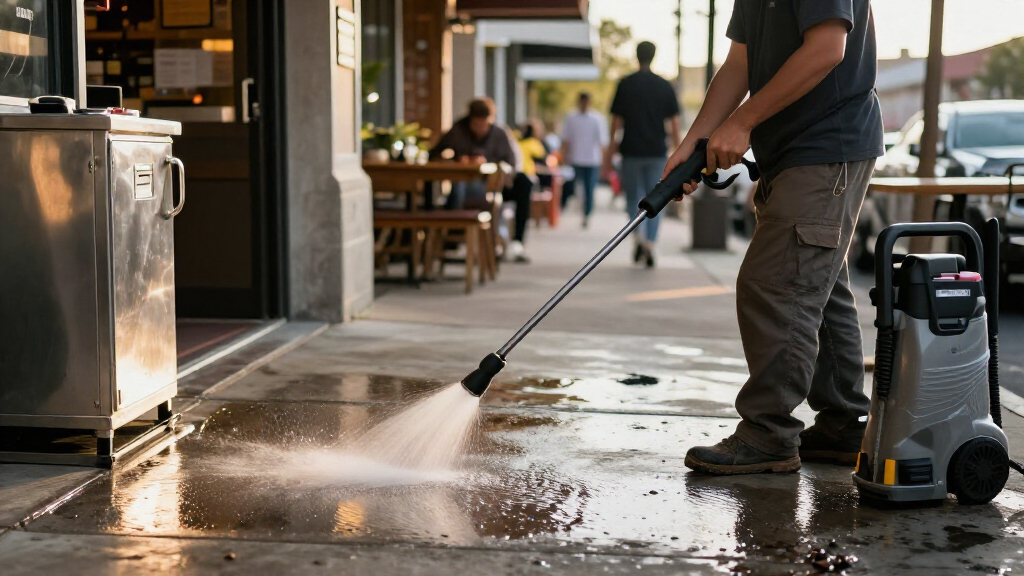
How We Picked
I compared these commercial pressure washers by the details that shape work output: rated pressure, gallons per minute, engine type, pump and frame information, and included accessories. I gave more weight to flow and engine capacity for large, repeated cleaning jobs, since a high PSI figure alone does not tell buyers how quickly a washer can clear broad surfaces. I also separated gas machines from the quieter electric option because they serve different sites and maintenance preferences.
The ranking favors combinations of useful output and identifiable components over the biggest number on the label. That puts the Simpson PS4240 first for its stated GX390 engine and 4200 PSI at 4.0 GPM, with the Simpson Aluminum Series GX390 close behind for buyers prioritizing its aluminum construction. High-output listings with less detail about components remain relevant, but I rank them more cautiously; lower-flow Honda GX200 models fit moderate workloads, while the electric model earns a distinct spot for quieter, lighter-duty use.
Factors to Consider When Choosing Commercial Pressure Washers
Choosing a commercial washer is less about chasing the largest PSI number and more about matching output, duty cycle, site conditions, and service support to the work you actually do. These factors help separate a productive machine from one that is either underpowered or more demanding than your crew needs.
Match Flow to the Area You Clean
Gallons per minute affects how quickly you rinse and move loosened dirt, especially on broad driveways, equipment yards, and building surfaces. PSI describes pressure at the nozzle, but it does not capture how much water the washer can deliver to carry debris away. A 4.0 GPM machine can be a better fit for large-area work than a lower-flow model with a comparable pressure rating. On delicate surfaces, however, more flow and pressure do not replace correct nozzle choice and technique. A common mistake is buying by peak PSI alone, then finding that the washer takes too long to cover a large job. Match output to the surface, soil, and time available rather than choosing the biggest figure.
Check the Engine and the Support Behind It
Engine identity matters because commercial use makes serviceability part of the buying decision. A named Honda GX200 or GX390 gives buyers a clearer starting point for checking maintenance needs and local repair support than a listing that only states engine displacement. Larger engines can support higher output, but they also bring more weight, fuel use, noise, and maintenance work. Before buying, check the owner’s documentation, service intervals, warranty terms, and availability of replacement parts for both engine and pump. Do not assume two machines with the same PSI and GPM will have equal long-term support. A machine that your crew can maintain and repair may be a better work asset than one with a higher advertised rating.
Treat Pump and Duty-Cycle Details as Buying Criteria
The pump is a central wear component, yet product titles do not always provide enough detail to compare pump construction or rated duty cycle. Ask whether the pump is designed for regular commercial operation, what maintenance it requires, and whether replacement parts are available. Avoid treating a machine as suitable for continuous all-day work just because its listing uses the word commercial. If usage will be intermittent, a simpler machine may meet the need; a crew running jobs back-to-back should place more weight on pump documentation and service access. Verify the manufacturer’s instructions for run time and cooling before setting up a production schedule. Missing details are a reason to seek clarification, not a detail to fill in by guesswork.
Choose Gas or Electric Around the Job Site
Gas models offer mobility and high output without depending on a nearby outlet, making them practical for exterior work across large or changing sites. That convenience comes with exhaust, engine noise, fuel handling, and recurring maintenance, so gas machines are not suitable for every indoor or noise-sensitive setting. An electric washer can be a better match for enclosed or quieter work, but buyers need to check the site’s power supply and accept a lower-output class when comparing it with the gas options here. The quiet electric model in this roundup is not a like-for-like replacement for a 4200 PSI, 4.0 GPM gas washer. Consider where the machine will run, not just where it will be stored.
Plan for Weight, Transport, and Hose Reach
Portability affects how much of a workday goes to setup and repositioning. Check the machine’s weight, frame layout, wheel design, hose length, and whether transport in your vehicle is practical; a pressure washer that is hard to load can slow jobs even when its output is strong. A longer hose or hose reel can reduce how often the unit must be moved, but it does not replace checking hose pressure ratings and storage needs. For crews working from a truck, confirm clearance and tie-down options before ordering. If one person must move the washer across uneven ground, a larger high-output model may impose a real handling burden. Compare mobility as part of productivity, not as a convenience afterthought.
Use Accessories and Nozzles to Protect Surfaces
Nozzles shape how the washer’s output reaches the surface, so included nozzle counts do not tell the whole story. A narrow spray can concentrate force and damage softer materials, while a wider pattern covers more area with less intensity; detergent and turbo nozzles serve different tasks. Check which connections the gun, wand, hose, and nozzles use, and whether the accessories suit the surfaces your crew handles. Buyers often focus on the included set but overlook replacement availability and compatibility with surface cleaners or longer hoses. Budget time for training staff to select a suitable nozzle and test an inconspicuous area. Correct setup can matter more to the finish than a small difference in rated pressure.
Frequently Asked Questions
Is 4200 PSI enough for regular commercial cleaning?
For many exterior cleaning tasks, 4200 PSI is ample, but the rating alone cannot tell you whether a washer fits your workload. Flow, pump duty rating, surface type, nozzle, and time spent running all affect the result. For large paved areas, compare GPM as closely as PSI because water volume helps move loosened dirt. For softer materials, a high-pressure machine can still cause damage if used with the wrong nozzle or distance. Check the manufacturer’s operating guidance and choose based on the toughest recurring job, not an occasional one-off task.
Should I choose a 4.0 GPM washer over a higher-PSI, lower-flow model?
Choose higher flow when covering large areas and rinsing quickly matters; a stronger PSI figure does not automatically mean faster cleaning. Pressure helps break up stubborn soil, while water volume carries it away and supports a broader working pace. For small, concentrated jobs, a lower-flow machine may be entirely adequate, particularly if transport and upkeep matter more than speed. Compare both ratings alongside pump and engine details rather than treating either number as a standalone measure. The right balance depends on your surfaces, soil level, and daily workload.
Is a Honda GX390 model worth choosing over a GX200 model?
A GX390-equipped washer makes more sense when the work calls for higher output and repeated heavy use, while GX200 models can suit moderate workloads with less capacity. The difference is not simply engine size: the complete machine’s rated PSI, GPM, pump, and duty guidance still matter. Larger engines can add weight, fuel use, noise, and maintenance requirements, so extra capacity is useful only if your jobs can use it. For a crew handling broad surfaces daily, the added output may support faster work. For occasional or smaller jobs, a GX200 model may be the more sensible fit.
Can the 2200 PSI electric model replace a gas commercial washer?
It can replace a gas washer for quieter, lighter-duty work, but it is not a direct substitute for the high-flow gas picks in this roundup. Its lower pressure rating and electric power source make it better suited to tasks where noise, exhaust, or indoor use weigh heavily. Before choosing it, confirm that the job site’s electrical supply supports the machine and that its output matches the surfaces you clean. Large areas or stubborn buildup may take longer than with the 4.0 GPM gas options. Choose it for site fit and noise control, not on the assumption that all commercial-labelled machines deliver the same pace.
What should I verify before buying a high-output washer with limited component details?
Confirm the pump model, duty-cycle guidance, warranty, service contacts, and parts availability before relying on a high-output claim for work. Also check whether the stated PSI and GPM are operating ratings, what accessories are included, and whether the hose and fittings match your setup. A large engine and headline output do not tell you how straightforward repairs will be or how the machine should be maintained. Ask the seller or manufacturer for documentation in writing when the listing leaves those points unclear. This extra check is especially useful when comparing less-documented options with established models that identify their engines.
Conclusion
For the best overall fit, I recommend the Simpson PS4240 PowerShot: its Honda GX390 and stated 4200 PSI at 4.0 GPM make it a strong choice for demanding recurring work. For buyers who want high output with an aluminum frame, the Simpson Aluminum Series 4200 PSI is my premium pick, while the best value depends on the job: the Simpson PowerShot PS3228 or GX200 models suit moderate workloads where 2.5 GPM is enough and the identified Honda engine matters. Beginners should favor a documented, lower-output Simpson model over an unfamiliar high-output listing, then learn nozzle selection and routine maintenance before stepping up. For quieter or more confined work, choose the 2200 PSI electric PM Inverter; for maximum stated output, compare the 4400 PSI options only after confirming pump and service details. Match the machine to your daily workload and site conditions, rather than buying the biggest rating on the page.
Halloween Picks
halloween
As an affiliate, we earn on qualifying purchases.