
Vendor-agnostic robot interoperability lets your different robotic systems communicate smoothly, no matter who made them or what control architecture they use. By adopting modular interfaces and standard protocols like ROS or OPC UA, you can create a flexible, scalable ecosystem that integrates new robots easily and minimizes vendor lock-in. This approach enhances collaboration, reduces setup time, and future-proofs your automation. Keep exploring to discover how these standards make seamless robot teamwork possible.
Key Takeaways
- Modular interfaces and standard protocols like ROS and OPC UA enable seamless communication across different robot vendors.
- Vendor-agnostic solutions reduce dependency on specific ecosystems, allowing flexible integration of diverse robotic systems.
- Cross-platform communication frameworks facilitate real-time coordination among robots from multiple manufacturers.
- Adopting open standards future-proofs systems, enabling easy upgrades and incorporation of new robot models without vendor lock-in.
- Standardized interoperability minimizes customization efforts, streamlines deployment, and enhances scalability in robotic environments.

As robotics technology advances rapidly, achieving seamless communication between different robot systems becomes increasingly essential. You need solutions that enable diverse robots to work together smoothly, regardless of their manufacturers or underlying platforms. This is where modular interfaces come into play, acting as flexible connectors that standardize communication protocols across various systems. Modular interfaces allow you to build a unified communication layer, enabling different robots to exchange data effortlessly. Instead of customizing each connection for every new device, these interfaces provide a plug-and-play approach, reducing setup time and minimizing compatibility issues. By adopting modular interfaces, you can create a scalable ecosystem where new robots can join without disrupting existing operations. Additionally, implementing common communication standards ensures that diverse systems can integrate more efficiently. Cross platform communication is the backbone of vendor-agnostic interoperability. It ensures that robots built on different operating systems or control architectures can understand and respond to each other. When you focus on cross platform communication, you’re enabling your robotic fleet to operate cohesively, even if they come from different vendors or use varying software standards. This is crucial for complex environments like manufacturing floors, warehouses, or research labs, where multiple systems need to coordinate tasks in real-time. The ability to facilitate cross platform communication also means you can leverage best-in-class robots from different providers, selecting the most suitable devices for each task without worrying about compatibility issues. It streamlines integration efforts and enhances operational flexibility. Implementing modular interfaces and cross platform communication isn’t just about technical convenience; it’s about future-proofing your operations. As new robot models and control systems emerge, these technologies allow you to incorporate them without overhauling your entire setup. Instead of being locked into a single vendor’s ecosystem, you gain agility and control over your automation environment. Plus, they minimize vendor lock-in, encouraging competitive pricing and innovation. The key is adopting standards and protocols designed with interoperability in mind, such as ROS (Robot Operating System), OPC UA, or other open standards. These protocols serve as universal languages that different robots can speak, ensuring your system remains adaptable and robust. Ultimately, your goal should be to foster an interconnected robotic network that is both flexible and reliable. Modular interfaces and cross platform communication are the tools that make this possible, enabling you to seamlessly integrate diverse robot systems and optimize your operations. By investing in these capabilities, you prepare your automation infrastructure for ongoing technological evolution, ensuring your systems stay efficient, scalable, and vendor-agnostic in the long run.
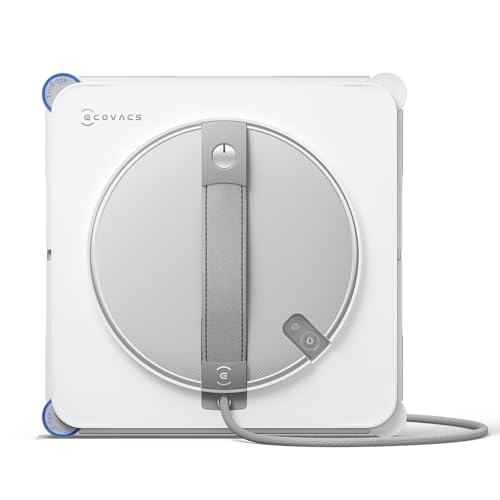
ECOVACS WINBOT W2S Window Cleaning Robot, Intelligent Edge-to-Edge Cleaning with TruEdge Scrubbers, 3 Water Nozzles, 10-Level Safety System, Win-SLAM 4.0 Route Planning, Even Climbing System
Enhanced Edge Cleaning with TruEdge Technology: WINBOT W2S is designed to clean closer to edges and corners than...
As an affiliate, we earn on qualifying purchases.
Frequently Asked Questions
How Does Vendor-Agnostic Interoperability Impact Robot Security?
Vendor-agnostic interoperability can increase your security risks because different systems may not have consistent security measures, making it easier for vulnerabilities to be exploited. You need to guarantee robust data protection across all platforms, as interoperability might expose sensitive information during data exchanges. By actively managing security protocols and regularly updating systems, you can mitigate risks and keep your robots and data safe from potential threats.
What Are the Main Challenges in Implementing Vendor-Agnostic Standards?
Think of implementing vendor-agnostic standards as building a universal bridge. Your main challenges are achieving protocol standardization, which is like agreeing on a common language, and enabling seamless cross-vendor integration, much like connecting different islands. You must coordinate diverse systems, overcome proprietary barriers, and guarantee compatibility. These hurdles demand cooperation, adaptability, and clear guidelines to create a smooth, unified platform for all robots to communicate effortlessly.
Which Industries Benefit Most From Vendor-Agnostic Robot Interoperability?
You benefit most in industries like manufacturing and healthcare from vendor-agnostic robot interoperability. It boosts manufacturing flexibility by allowing you to easily switch or upgrade robots without vendor lock-in. In healthcare, it enhances adaptability by integrating different robotic systems seamlessly, improving patient care and operational efficiency. This interoperability helps you stay agile, reduce costs, and optimize workflows across various sectors where diverse robotic solutions are essential.
How Does This Approach Affect Robot Performance and Reliability?
You’ll likely see improved robot performance and reliability because vendor-agnostic interoperability enhances hardware compatibility, allowing different robots to work seamlessly together. It also boosts software flexibility, so you can easily update or customize your systems without being locked into a single vendor. This approach reduces downtime, minimizes compatibility issues, and guarantees your robots operate smoothly and reliably, even as technology evolves.
Are There Existing Open-Source Frameworks for Vendor-Agnostic Robot Integration?
Yes, open-source frameworks like ROS (Robot Operating System) serve as middleware solutions that enable vendor-agnostic robot integration. These frameworks provide a standardized platform, allowing you to connect and control different robot hardware seamlessly. They support multiple vendors and facilitate collaboration, making your projects more flexible and scalable. By leveraging these open-source tools, you can enhance interoperability, reduce development time, and guarantee your robots work reliably across various systems.
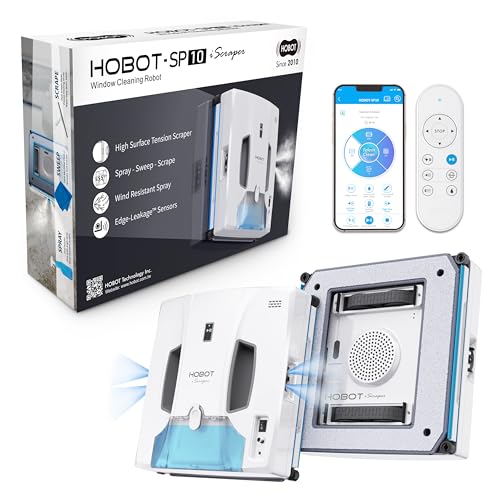
HOBOT-SP10 iScraper Window Cleaning Robot, Spray-Sweep-Scrape, 6000Pa Suction, App + Remote Control, Framed/Frameless Glass, Indoor/Outdoor Use
[SSS Glass-Cleaning Technology] a three-step cleaning process: spraying water through a nozzle, sweeping the surface with a cleaning...
As an affiliate, we earn on qualifying purchases.
Conclusion
By embracing vendor-agnostic robot interoperability, you open the door to a seamless, unified automation landscape. Think of it as a universal translator for robots, turning diverse systems into a harmonious symphony rather than discordant notes. This approach not only boosts efficiency but also future-proofs your operations, allowing you to adapt as technology evolves. With interoperability as your foundation, you’re building a bridge to a more flexible and innovative automation future.

roborock Qrevo Series Robot Vacuum and Mop, 8000Pa Suction, Upgraded from Qrevo S, Anti-Tangle Brushes, Smart Obstacle Avoidance, Auto Mop Washing, All-in-One Dock, 200RPM Spinning Mops, Black(QV 35A)
8000Pa HyperForce Suction: Engineered to deliver unmatched cleaning performance, the roborock QV 35A robot vacuum with 8000Pa powerful...
As an affiliate, we earn on qualifying purchases.

Solar Panel Cleaning Robot - Auto Dry/Wet | 130cm Tracked Brush with 360° Spinning | 20m/Min Speed | 15° Slope Capacity | Includes 45A Battery, 100m Hose & Scraper Kit
EFFORTLESS SOLAR PANEL CLEANING】This solar panel cleaning robot features a 130cm wide rotating brush head (150-300 RPM), high-pressure...
As an affiliate, we earn on qualifying purchases.