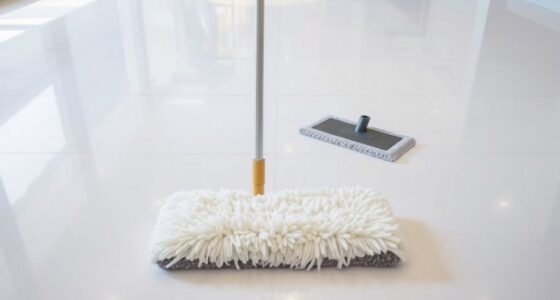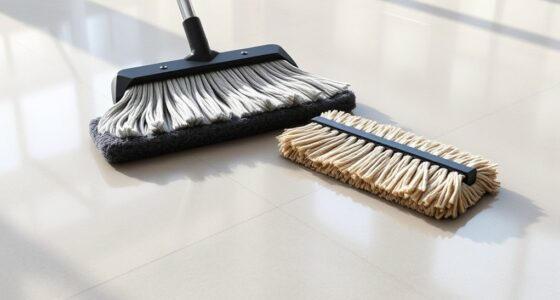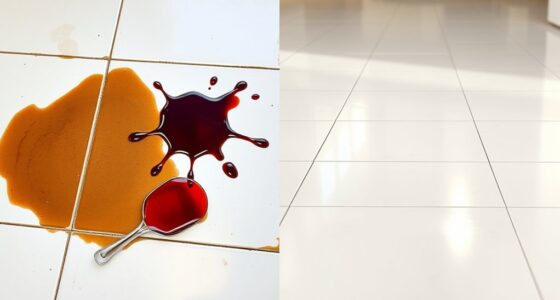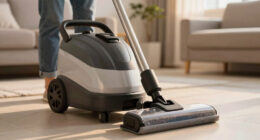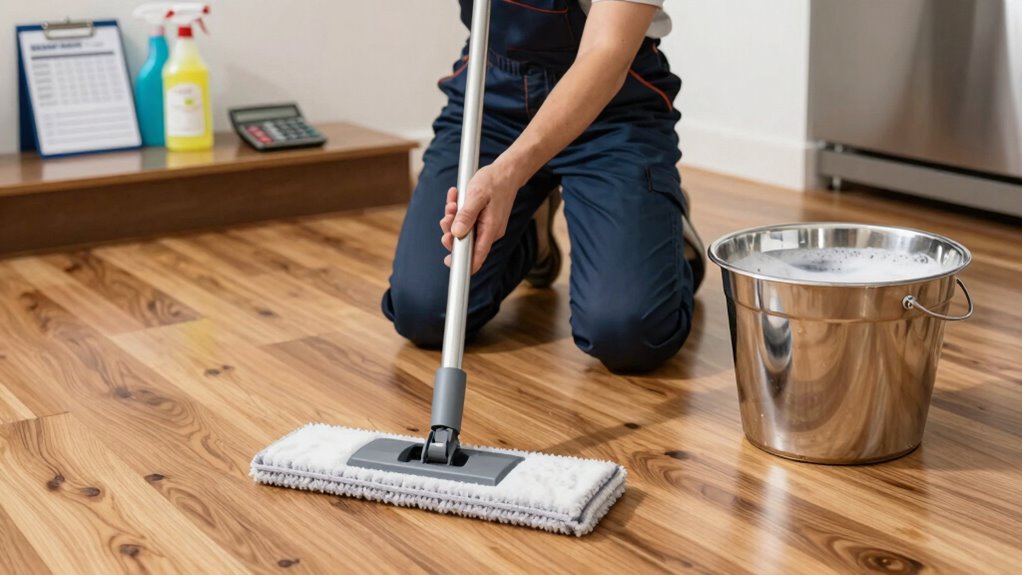
To estimate the total cost of floor cleaning ownership, start by calculating the initial investment in equipment, considering both traditional and eco-friendly options, which may cost more upfront but save money long-term. Factor in ongoing maintenance, consumables, and operational expenses like water, chemicals, and energy. Keep track of performance and costs over time to spot opportunities for savings. If you want a detailed guide on managing these costs effectively, there’s more to learn nearby.
Key Takeaways
- Calculate initial equipment costs, including purchase price and accessories, considering eco-friendly options for long-term savings.
- Assess ongoing maintenance expenses, such as parts, consumables, and scheduled upkeep based on usage intensity.
- Factor in energy, water, and chemical savings achieved through eco-friendly and sustainable equipment choices.
- Monitor equipment performance regularly to identify potential repairs or replacements early, preventing higher future costs.
- Incorporate cost management strategies and budget planning to control total ownership expenses over the equipment’s lifespan.
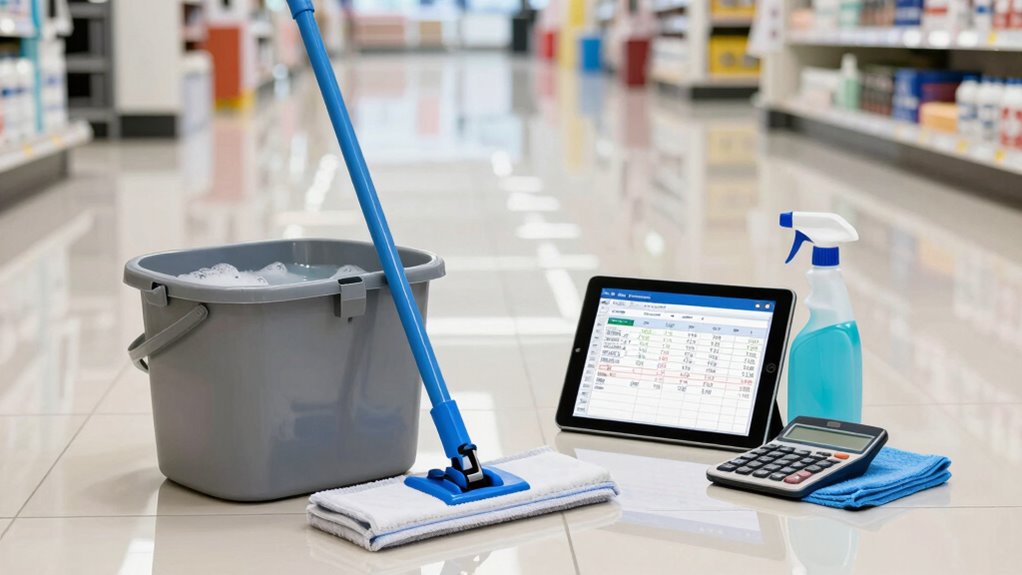
Ever wondered how much it really costs to own and maintain a floor cleaning system? The first step is understanding the initial investment. You’ll need to account for the price of the equipment itself, whether it’s a simple mop and bucket or a high-end, industrial-grade machine. But don’t forget, the total cost isn’t just about buying the machine. You’ll also want to explore eco friendly options. These environmentally conscious choices might have a higher upfront cost but can save you money in the long run through reduced energy consumption, less water usage, and fewer chemical expenses. Plus, they often require fewer replacements and have a smaller environmental footprint, which can be a valuable factor if sustainability matters to you. Incorporating eco friendly options into your planning can also contribute positively to local biodiversity by reducing pollution and waste.
Next, you need to consider maintenance frequency. Regular upkeep is essential to keep your floor cleaning system functioning efficiently and to extend its lifespan. The more frequently you use your equipment, the more often it will need maintenance—such as parts replacement, cleaning, or calibration. If you’re operating in a busy facility, expect higher maintenance costs compared to lighter, occasional use. Establish a maintenance schedule based on your equipment’s specifications, and include costs for consumables like cleaning solutions, filters, or replacement parts. Properly managing maintenance costs can prevent costly repairs and downtime in the future. Being aware of ownership expenses can help you plan your budget more effectively and avoid unexpected financial burdens. Additionally, understanding operational costs can help optimize your cleaning processes to reduce ongoing expenses. Neglecting to regularly assess your equipment’s performance efficiency can lead to increased energy and supply usage, further raising your total ownership costs.

Cordless Electric Mop for Dewalt 20V Battery (NO Battery), 2 in 1 Spin Mop & Electric Floor Scrubber Machine with LED Light & Water Spray, 800 RPM Rotating Electric Mops for Floor
【Powerful 2-IN-1 Electric Mop】This is a 2-in-1 cordless electric mop and electric floor scrubber, The spin mop has…
As an affiliate, we earn on qualifying purchases.
As an affiliate, we earn on qualifying purchases.
Frequently Asked Questions
What Maintenance Is Required for Cleaning Equipment?
You need to regularly inspect your cleaning equipment for wear and tear to guarantee durability. Keep moving parts clean and lubricated, replace worn brushes or pads, and check filters. Proper cleaning solution selection is essential to prevent damage and maintain equipment longevity. Regular maintenance like cleaning, replacing parts, and following manufacturer guidelines helps extend equipment life, reduces repair costs, and keeps your cleaning operations efficient.
How Often Should Floors Be Professionally Cleaned?
Think of your floors like a garden—they need regular tending to stay vibrant. You should professionally clean your floors at least once every 3 to 6 months, depending on foot traffic. For floor stain removal and to keep your space shining, follow cleaning schedule tips like deep cleaning during off-peak times. This routine helps prevent dirt buildup, extends your flooring’s lifespan, and keeps your environment looking fresh and inviting.
Are There Eco-Friendly Cleaning Options?
Yes, there are eco-friendly cleaning options available. You can choose biodegradable solutions and green cleaning products that are safe for the environment and your floors. These options often contain natural ingredients, reduce chemical runoff, and are sustainable. By opting for eco-friendly alternatives, you not only protect the planet but also create a healthier indoor space, making your cleaning routine more sustainable and responsible without sacrificing effectiveness.
What Safety Measures Are Necessary During Cleaning?
You need to follow safety protocols during cleaning by wearing protective gear like gloves, goggles, and masks to prevent exposure to chemicals and debris. Make certain proper ventilation to avoid inhaling fumes and keep the area clear of obstacles to prevent accidents. Always read product labels for specific safety instructions, and handle cleaning supplies carefully. These measures protect you and create a safer environment for everyone involved in the cleaning process.
How Do Seasonal Changes Affect Cleaning Costs?
Like the changing seasons in a well-loved novel, seasonal cleaning impacts your costs due to weather variations. During winter, you’ll spend more on frequent cleanings to combat mud, snow, and salt, while summer might require extra attention to dust and pollen. These weather impacts mean you should budget for increased cleaning supplies and labor during certain seasons, ensuring your floors stay pristine regardless of the climate’s influence.

AIOLITH AF2217 Self-Propelled Floor Scrubber Kit, 22" Commercial Walk-Behind Auto Scrubber with Lithium Battery, 17 Gal Recovery Tank, Up to 38,000 ft²/h for Warehouses, Schools & Facilities
Self-Propelled Drive: Powered traction drive system moves the machine forward automatically, reducing operator strain during long cleaning shifts….
As an affiliate, we earn on qualifying purchases.
As an affiliate, we earn on qualifying purchases.
Conclusion
By understanding all the costs involved in floor cleaning ownership, you can better plan your budget and avoid surprises. Did you know that the average homeowner spends about $200 annually on cleaning supplies alone? Keeping track of expenses like equipment maintenance and labor helps you make smarter choices and saves money in the long run. So, stay proactive, budget wisely, and enjoy cleaner floors without breaking the bank!

RISE Access Floor Cleaner | Industry standard for computer floor cleaning | RISE has been tested and approved by leading manufacturers of high pressure laminate and used for over 3 decades |1 Gallon
A next generation, environmentally preferred cleaner and degreaser
As an affiliate, we earn on qualifying purchases.
As an affiliate, we earn on qualifying purchases.
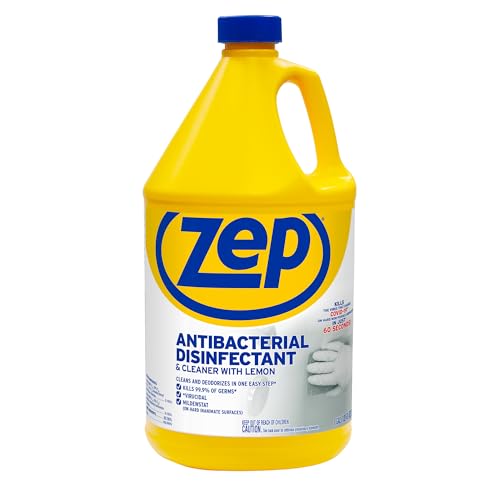
Zep Commercial 1041688 Antibacterial Disinfectant Cleaner with lemon , 1 gal Bottle
Cuts through grease and other soils
As an affiliate, we earn on qualifying purchases.
As an affiliate, we earn on qualifying purchases.