
You can reduce equipment abuse by providing thorough training that emphasizes proper handling and safety protocols. Regularly update your team with refresher courses to reinforce best practices and early recognition of issues. Implement standardized procedures and routine maintenance schedules to prevent misuse and breakdowns. Foster a safety-first culture by promoting accountability and rewarding responsible practices. Keep these strategies in mind, and you’ll discover how continuous education and clear guidelines can greatly extend your equipment’s lifespan.

Get cleaning gear delivered free — and shop member deals
- Fast, free delivery on millions of items
- Access to Prime Big Deal Days deals on October 6–7
- Prime Video, Amazon Music and more included
Key Takeaways
- Provide comprehensive initial training on proper equipment handling and safety protocols.
- Implement regular refresher courses to reinforce best practices and update employees on safety standards.
- Develop and enforce standardized procedures for operation and maintenance tasks.
- Promote a safety-first culture that encourages accountability and recognizes responsible equipment use.
- Schedule routine maintenance and inspections to prevent misuse and identify issues early.

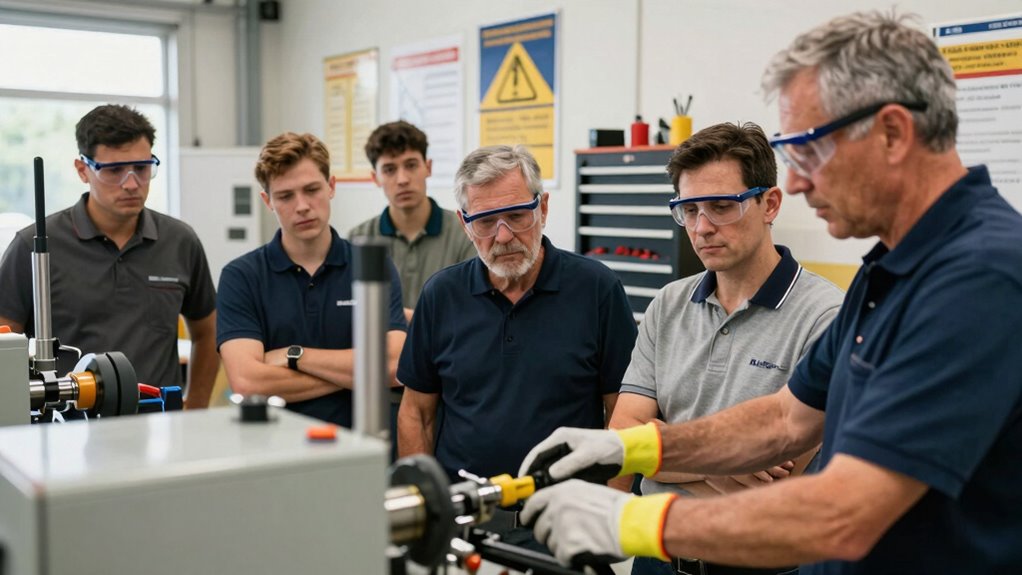
Equipment abuse can lead to costly repairs, downtime, and safety hazards, so it’s essential to take proactive steps to minimize it. One of the most effective ways to do this is through better training. When your team understands the proper handling and operation of equipment, they’re less likely to misuse it or cause damage. Training should emphasize the importance of following safety protocols, which not only protect workers but also extend the lifespan of the machinery. When employees know the correct procedures, they’re more confident in their actions, reducing accidental mishandling that can lead to wear and tear.
In addition to initial training, ongoing education is critical. Regular refresher courses ensure your team stays up-to-date with the latest safety protocols and operational best practices. This continuous learning helps reinforce responsible equipment use and keeps safety at the forefront. When workers are well-informed, they’re more likely to recognize early signs of equipment stress or malfunction, prompting timely intervention before minor issues turn into major failures. Implementing standardized procedures for routine tasks and making sure everyone understands these protocols can drastically cut down on improper usage.
Another essential aspect is establishing and adhering to maintenance schedules. Proper maintenance isn’t just about fixing equipment when it breaks; it’s about preventing issues before they happen. When your team knows and follows a clear maintenance schedule, it minimizes the risk of equipment abuse. Regular inspections, lubrication, and component checks keep machinery running smoothly and help catch potential problems early. Training employees on how to perform basic maintenance tasks correctly also boosts accountability and ensures that equipment receives consistent care. This proactive approach reduces the likelihood of sudden breakdowns caused by neglect or misuse. Additionally, understanding the importance of preventive maintenance can significantly reduce equipment failures and extend operational lifespan. Moreover, incorporating standardized procedures into daily routines ensures consistent handling and reduces errors. Promoting a safety-first mindset across your team can further decrease the risk of accidental damage caused by complacency or disregard for protocols.
Encouraging a culture of accountability and safety is equally important. When workers understand that misuse not only damages equipment but also compromises safety, they’re more likely to handle machinery responsibly. Recognizing and rewarding safe practices can motivate adherence to safety protocols and maintenance routines. Clear communication about the consequences of equipment abuse can also foster a sense of ownership and responsibility among team members. Regular training programs help reinforce the importance of proper handling and maintenance, making safety a consistent priority.
Ultimately, reducing equipment abuse through better training isn’t a one-time effort—it’s an ongoing process. By emphasizing safety protocols, maintaining strict schedules, and fostering continuous learning, you create an environment where equipment is used properly and maintained diligently. This approach not only extends the life of your machinery but also enhances overall safety and productivity in your operations.
equipment safety training videos
As an affiliate, we earn on qualifying purchases.
As an affiliate, we earn on qualifying purchases.
Frequently Asked Questions
How Often Should Training Sessions Be Updated?
You should update your training sessions regularly, ideally every 6 to 12 months, to maintain effectiveness. Regular training frequency guarantees employees stay current with safety protocols and proper equipment use. Incorporate equipment refreshes into your schedule, especially when new models or updates are introduced. Consistent updates help prevent equipment abuse by reinforcing best practices, reducing errors, and fostering a culture of safety and responsibility among your team.
What Incentives Motivate Proper Equipment Use?
You can motivate proper equipment use by implementing effective incentive programs and motivation strategies. Offering rewards like recognition, bonuses, or small prizes encourages responsible behavior. Clear communication of expectations, coupled with progress tracking, boosts motivation. When employees see tangible benefits for proper equipment handling, they’re more likely to follow guidelines. Consistent reinforcement and positive feedback enhance these strategies, fostering a culture of care and accountability around equipment use.
How to Handle Resistant or Uncooperative Staff?
To handle resistant or uncooperative staff, you should focus on behavior management and conflict resolution. Address their concerns calmly, listen actively, and involve them in finding solutions. Set clear expectations and consequences, fostering a positive environment. By understanding their perspective and promoting open communication, you build trust and cooperation, making it easier to implement training and guarantee proper equipment use. Stay patient and consistent to encourage long-term change.
Are There Specific Training Methods Proven Most Effective?
Think of training like planting seeds that blossom into responsible equipment use. You find that hands-on practice and visual demonstrations are your most effective tools. They engage your team directly, making concepts stick like glue. This approach turns passive learning into active engagement, helping staff see the real consequences of abuse and understand proper handling. By making training interactive and visual, you foster a culture of respect for equipment that sticks long-term.
How to Monitor Ongoing Compliance Post-Training?
You should implement regular monitoring systems to guarantee ongoing compliance. Conduct periodic equipment maintenance checks and observe staff behavior to reinforce proper usage. Use accountability measures like checklists and logs, making staff responsible for their actions. Encourage open communication for reporting issues or concerns. These steps help you track adherence, promote responsibility, and prevent equipment abuse, ultimately maintaining the equipment’s longevity and operational efficiency.
Conclusion
By implementing thorough training, you can prevent equipment abuse like a vigilant guardian watching over your tools. When you understand proper usage, it’s as if you’re guiding a delicate flower to bloom rather than trampling it. Remember, clear instructions and ongoing education keep equipment in top shape, saving you money and headaches. Stay proactive, stay informed, and watch your equipment thrive—like a well-tended garden in full bloom.
Fall Picks
fall essentials
As an affiliate, we earn on qualifying purchases.