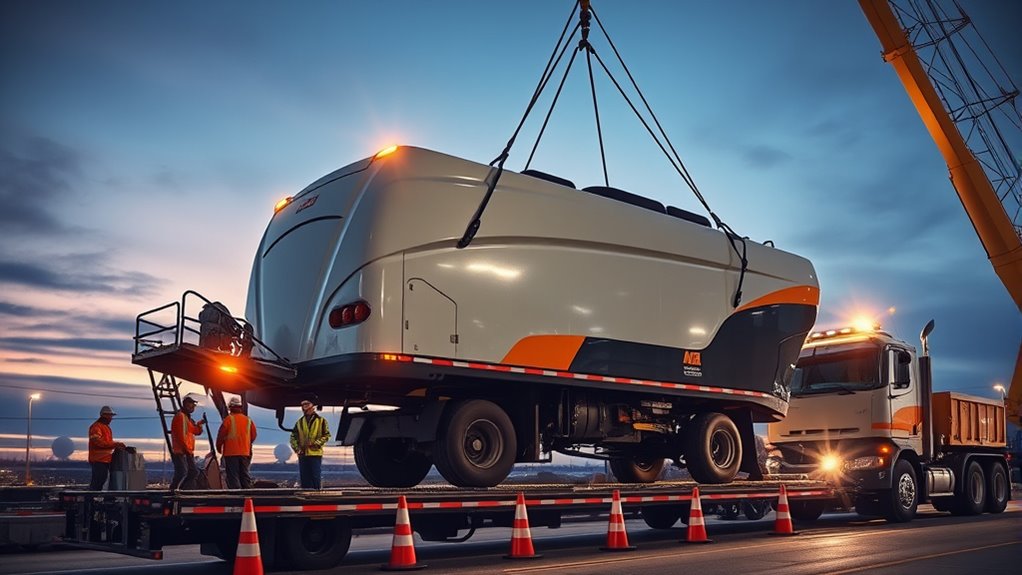

When transporting sweepers on trailers, prioritize safety by conducting thorough hazard assessments beforehand, identifying risks like uneven surfaces or obstacles. Use heavy-duty straps and chains rated for the load, ensuring they’re in good condition and properly tightened. Check your trailer’s weight distribution and secure all equipment carefully, including safety features like brake locks and reflectors. Stay alert and communicate clearly with your team throughout the process. Continuing will help you master all essential safety measures for smooth, secure transport.
Key Takeaways
- Conduct a thorough hazard assessment of the site to identify risks like uneven terrain or obstacles before loading.
- Use rated, in good condition securing devices such as heavy-duty straps and chains to firmly secure the sweeper on the trailer.
- Ensure proper weight distribution and trailer balance to prevent tipping or instability during transit.
- Double-check all securing points, safety features, and trailer lights before departure, and monitor during transit.
- Maintain continuous safety awareness with proper gear, clear communication, and adherence to safety protocols throughout the process.

Transporting and loading sweeper-trailers requires careful attention to safety to prevent accidents and damage. Before you even begin, conducting a thorough hazard evaluation is essential. This process helps you identify potential risks on the site, such as uneven surfaces, nearby traffic, or obstacles that could compromise safety. This step is crucial for ensuring safe operation and avoiding mishaps during loading and transit. By reviewing these hazards early, you can plan your approach more effectively, minimizing the chance of mishaps during loading and transit.
Once hazards are identified, focus on applying proper securing techniques. Properly securing the sweeper-trailer ensures it remains stable throughout transportation. Use heavy-duty straps, chains, or binders designed for heavy loads, and ensure they are in good condition before use. When securing the trailer, pay close attention to anchor points, making sure they are sturdy and rated for the weight. Tighten all securing devices properly, avoiding over-tightening that could damage the equipment or under-tightening that might lead to shifting during transit.
Your safety depends on how well you understand the trailer’s weight distribution and center of gravity. Before loading, verify that the trailer is correctly balanced to prevent tipping or uneven wear on tires and suspension. During loading, move the sweeper-trailer slowly and steadily, avoiding sudden movements that could destabilize the load or cause injury. Always use spotters or guides when maneuvering large equipment, especially in tight spaces, to ensure clear communication and avoid collisions.
When it’s time to secure the load, double-check all straps and chains. Make sure they are tight, properly routed, and free of twists or damage. If the trailer is equipped with additional safety features, like wheel chocks or brake locks, engage them before starting the journey. Remember that securing techniques aren’t just about tying down the load; they also involve ensuring the trailer’s brakes, lights, and reflectors are functioning correctly to alert other drivers.
Throughout the process, keep safety gear on, such as gloves, helmets, and high-visibility vests. Be aware of your surroundings at all times, and communicate clearly with team members. Maintaining awareness of arcade machine safety and proper equipment handling can further prevent accidents. By systematically evaluating hazards and applying effective securing techniques, you greatly reduce the risk of accidents, injuries, and equipment damage. Safety isn’t just a checklist — it’s a continuous mindset that protects you and everyone involved in the loading and transport process.
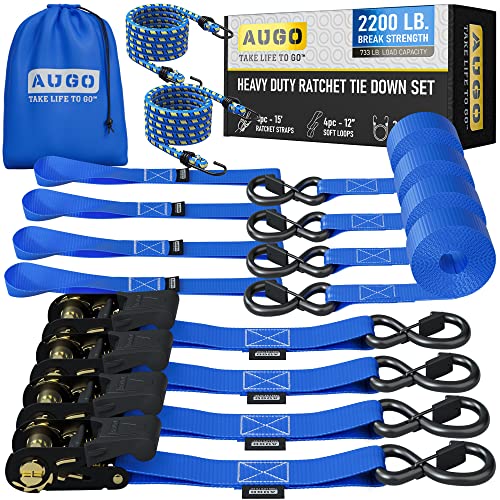
AUGO Ratchet Straps Heavy Duty 4 Pack -15 FT – 2200 LB Break Strength – with Safety Lock S Hooks – Cargo Straps for Moving, Appliances, Motorcycle – Soft Loop Tie Down Straps
TIE DOWN ANYTHING WITH CONFIDENCE | Pack of [4] 15 Ft Ratchet Strap Tie Downs Provides Durable, Dependable…
As an affiliate, we earn on qualifying purchases.
As an affiliate, we earn on qualifying purchases.
Frequently Asked Questions
What Are the Common Legal Regulations for Sweeper-Trailer Transport?
You need to guarantee legal compliance by obtaining the proper transport permits before moving a sweeper-trailer. Regulations often specify weight limits, dimensions, and safety equipment requirements. Check your local and federal laws to avoid fines or delays. Make sure your vehicle is registered and that you follow all road safety standards. Staying updated on legal regulations helps you transport equipment legally and safely, preventing any legal issues on the road.
How Do Weather Conditions Affect Loading Safety Procedures?
Weather impact greatly affects loading safety procedures by creating visibility challenges and slippery surfaces. You should always check weather forecasts before loading, especially in rain, snow, or fog. Reduce speed, increase following distances, and use proper lighting to enhance visibility. Be extra cautious with icy or wet surfaces to prevent slips and falls. Adjust your approach based on weather conditions to ensure safety for yourself and others during loading operations.
What Training Is Recommended for Personnel Handling Sweeper-Trailer Loading?
To guarantee safe sweeper-trailer loading, you should receive thorough training covering equipment inspection and safety protocols. This training teaches you to recognize risks, properly inspect machinery, and follow safety procedures. By mastering these skills, you prevent problems, promote precision, and prioritize safety. Regular refreshers reinforce your knowledge, ensuring you stay vigilant and prepared, making every load safer, smoother, and more secure.
How Should Emergency Situations Be Managed During Transport?
In emergencies during transport, you should act quickly to guarantee safety. Initiate emergency response protocols, such as stopping the vehicle safely and alerting authorities. Focus on hazard mitigation by securing the area, preventing further accidents, and providing first aid if needed. Always communicate clearly with your team and follow established procedures. Your prompt, calm actions can minimize risks and protect everyone involved until professional help arrives.
What Are the Latest Technological Advancements in Safety Equipment?
You’ll be pleased to know that recent advancements include automated sensors and smart monitoring systems, which have reduced accidents by 30%. These technologies continuously track equipment status, alerting you to potential issues before they escalate. With automated sensors, you get real-time data, while smart monitoring offers proactive safety management. Embracing these innovations helps you stay ahead, ensuring safer transport and loading operations every step of the way.

Tnyeobae 35" Trailer Safety Chain with 5/16" Clevis Snap Hook,Grade-70 Heavy Duty Binder Chain(Pack of 2)
5/16" safety latch clevis hook ,Grade-70 rating for superior tensile strength.
As an affiliate, we earn on qualifying purchases.
As an affiliate, we earn on qualifying purchases.
Conclusion
While safety procedures might seem time-consuming, they protect you and others from serious accidents. Skipping steps can lead to costly injuries or equipment damage, which delays your work even more. By following proper loading and transport protocols, you guarantee a smooth, efficient process. Remember, investing a few extra minutes now saves you from potential setbacks later. Prioritize safety—you’ll be glad you did, and your work will stay on track without unnecessary interruptions.

Trailer Tongue Weight Scale 2000 lbs Capacity – RV Hitch Load Gauge with Waterproof Storage Case – Portable Towing Safety Tool Accessories Kit for Trucks, Travel Trailers, Campers, Cargo & Boat
Accurate Weight Measurement: Introducing our Trailer Tongue Weight Scale,a reliable tool for safe towing practices.With 2000 LBS Capacity,…
As an affiliate, we earn on qualifying purchases.
As an affiliate, we earn on qualifying purchases.

JKSafety 9 Pockets Class 2 High Visibility Zipper Front Safety Vest With Reflective Strips,Meets ANSI/ISEA Standard (Large, 150-Yellow)
MATERIALS: 100% Polyester H-Vis Reflective Material, Durable, Breathable, Lightweight and Machine Washable. Customers who prefer a Loose Fit…
As an affiliate, we earn on qualifying purchases.
As an affiliate, we earn on qualifying purchases.