TL;DR

Get cleaning gear delivered free with Prime
- Fast, free delivery on millions of items
- Prime Video, Amazon Music and more included
- Member-only deals all year
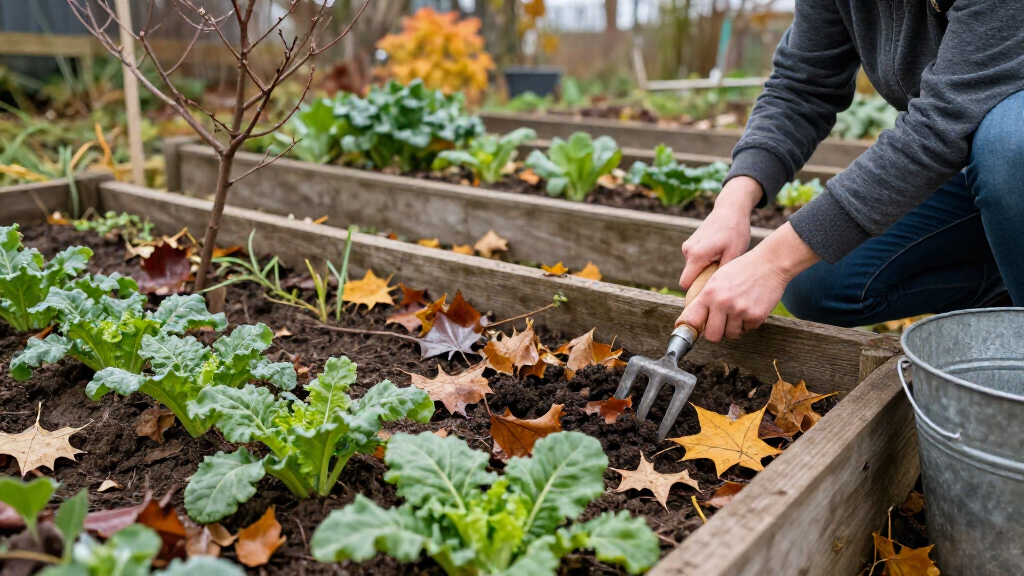
An Ideal Home report recommends four October jobs for vegetable gardeners: remove finished or diseased crops, cover empty beds with compost, sow suitable hardy crops and protect vulnerable plants from frost. Which crops will succeed depends on local climate and variety, and covered plants need ventilation on mild days.
Ideal Home has published four October tasks for vegetable gardeners: clear finished or badly diseased crops, prepare bare beds with compost, sow suitable hardy crops and protect less-hardy plants from frost. The advice, based on comments from grow-your-own expert Huw Richards and Dobbies Garden Centres buyer Claire Bishop, focuses on maintaining soil and extending harvests as temperatures fall.
For the first task, Richards advises removing crops that have stopped producing or are badly diseased. Healthy plants can be cut back and composted, he says, while their roots may be left in the ground to break down and add organic matter. That means a tidy-up does not have to leave every bed bare. Diseased material should be treated separately according to local composting guidance rather than assumed suitable for a home compost heap.
For empty beds, Richards recommends spreading well-rotted or homemade compost over the surface instead of digging it in. He says worms and other soil organisms can incorporate it over time, while the layer helps protect soil from winter weather and retain moisture. The report presents this as seasonal gardening advice; it does not quantify likely yield gains or specify a compost amount for every soil type.
The third task is planting crops that can tolerate autumn and winter conditions. Richards lists broad beans, winter salads, spinach and spring onions as possibilities, depending on climate and variety, and identifies October as a suitable time to plant garlic. Bishop says autumn can also be a time to plant soft-fruit bushes, including raspberries, gooseberries and currants, as well as fruit trees. She says soil that is still relatively warm gives roots time to establish before winter.
Finally, less-hardy crops can be sheltered with fleece, cloches, cold frames or an unheated greenhouse, Richards says. Covered plants should be ventilated on mild days to limit excessive humidity. He also suggests moving some winter crops, such as kale and chard, into a polytunnel for protection. The report offers these as options, not guarantees that any particular crop will survive every local winter.
Preparing Beds for Winter
October work can affect both the condition of a vegetable bed through winter and what gardeners are able to grow in the months ahead. Removing diseased plants helps avoid leaving visibly unhealthy material in place, while compost on empty beds provides organic matter and a protective surface layer, according to Richards. Leaving healthy roots to break down is another way to retain plant material in the soil rather than clearing every bed completely.
Planting and protection also help gardeners make use of the remaining growing season. Hardy crops may provide winter produce where conditions and varieties are suitable, while covers can reduce exposure to frost. These steps require local judgment: weather, soil, drainage and the specific crop all affect results. The source does not promise a particular harvest or measure how much the advice improves yields.
garden fleece for frost protection
As an affiliate, we earn on qualifying purchases.
As an affiliate, we earn on qualifying purchases.
The October Growing Window
The report frames October as a point when many summer crops are finishing but some garden work can continue. Its recommendations combine end-of-season maintenance with planting for colder months and preparation for spring. That makes the suggested jobs relevant both to beds being cleared and to spaces still producing crops.
Richards is identified in the report as a grow-your-own author working with garden-tools brand GARDENA. Bishop is identified as a senior plant buyer at Dobbies Garden Centres. Their comments are expert recommendations quoted by Ideal Home, not findings from a controlled trial. The report also mentions products such as mulch and cloches, but the practical guidance does not depend on buying those particular brands.
“You can leave healthy roots in the soil to break down naturally, feeding soil life and adding organic matter.”
— Huw Richards, grow-your-own expert, as quoted by Ideal Home
Results Depend on Local Conditions
The report does not give a planting calendar by region, hardiness zone or expected minimum temperature. Its list of crops is conditional: Richards says choices depend on climate and variety, and the article does not identify specific varieties for every location. Gardeners should check local growing guidance and seed-packet instructions before sowing.
It is also unclear how much compost an individual bed needs, how long a crop will remain productive under cover, or what yield these tasks may produce. Frost protection can help but does not guarantee survival. The article gives practical recommendations rather than comparative data on soil condition or harvest outcomes.
Check Beds and Local Forecasts
Gardeners can start by identifying which plants have finished or are badly diseased, then decide whether healthy roots can remain and whether cleared material is suitable for composting. Empty beds can be covered with well-rotted compost, while any October sowing should match local conditions and the variety selected.
As colder weather approaches, check forecasts and protect vulnerable crops with an appropriate cover. Ventilate covered growing spaces on mild days, as Richards advises, and continue to monitor plants for frost damage or excess humidity. The report sets out no further scheduled update; the next practical milestone is how crops and beds respond through winter.
Key Questions
What are the four October jobs for a vegetable patch?
The report recommends clearing finished or badly diseased crops, covering empty beds with compost, sowing suitable hardy crops and protecting less-hardy plants from frost.
Which vegetables can be sown in October?
Huw Richards lists broad beans, winter salads, spinach and spring onions as possibilities, and says October is a good time to plant garlic. Suitability depends on local climate and the variety chosen.
Should I dig compost into an empty bed?
Richards recommends spreading well-rotted or homemade compost on the surface and allowing soil organisms to incorporate it. The report does not specify an amount, so gardeners should consider their soil and local advice.
How can I protect crops from frost?
The report suggests fleece, cloches, cold frames or an unheated greenhouse for less-hardy crops. Richards advises ventilating covered plants on mild days to reduce excessive humidity.
Can diseased plants go on the compost heap?
The report says healthy plants can often be composted, but it does not recommend composting badly diseased material. Follow local guidance for disposing of diseased plants.
Source: rss
Halloween Picks
halloween
As an affiliate, we earn on qualifying purchases.