

To build an effective cleaning route for large open areas, start by evaluating the space layout, obstacles, and high-traffic zones. Map out a systematic pattern, like starting in a corner and moving in straight lines, to minimize backtracking. Choose the best equipment, maintain it properly, and clear hazards beforehand. Planning your route wisely can save time and boost efficiency. Keep exploring for more tips that will help you perfect your cleaning strategy.

Get cleaning gear delivered free — and shop member deals
- Fast, free delivery on millions of items
- Access to Prime Big Deal Days deals on October 6–7
- Prime Video, Amazon Music and more included
Key Takeaways
- Assess the space layout to identify obstacles, high-traffic zones, and optimal starting points for efficiency.
- Map out a systematic route using straight-line sweeping patterns from corners to minimize backtracking.
- Choose appropriate equipment for large areas and ensure it is well-maintained for consistent performance.
- Incorporate safety procedures like hazard removal, signage, and protective gear to prevent accidents.
- Optimize the route to maximize coverage, reduce cleaning time, and streamline movement across the area.
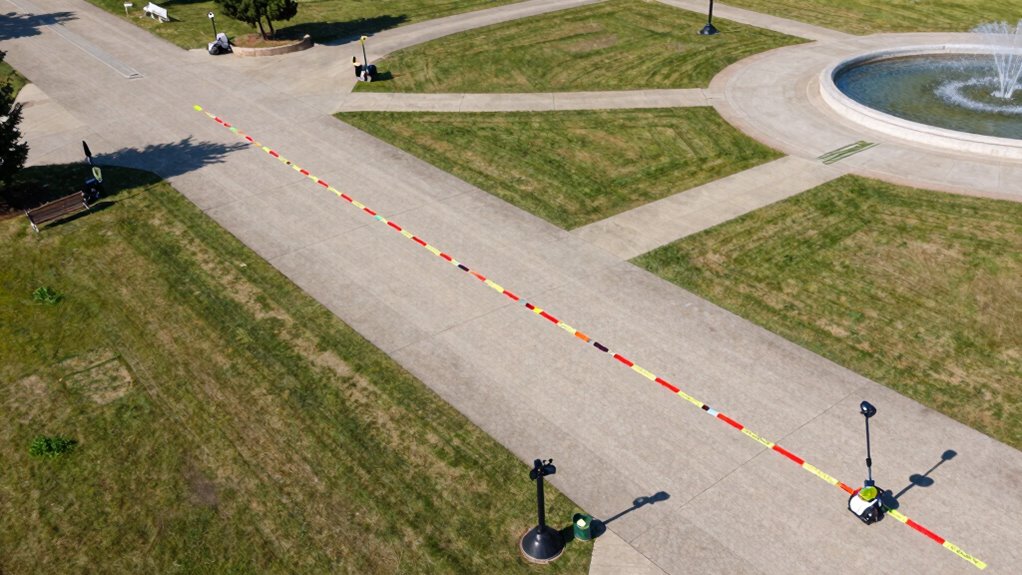
Have you ever wondered how to efficiently clean large open areas without missing spots or wasting time? The key lies in building a well-planned cleaning route that maximizes efficiency and guarantees thorough coverage. Start by evaluating the space carefully—note the layout, obstacles, and high-traffic zones. Once you have a clear picture, you can map out the most logical path. It’s best to plan a route that minimizes backtracking. For example, you might choose a methodical, sweeping pattern—like starting at one corner and moving in straight lines across the area, then turning around to cover the next section. This approach helps you stay organized and avoid missing spots. Incorporating appropriate cleaning techniques ensures you achieve optimal results and maintain efficiency throughout the process. Additionally, understanding the layout and design of the space can assist in optimizing your route further, leading to faster completion times. Planning your route with efficient movement in mind can significantly reduce the overall cleaning time. Using the right cleaning equipment is also essential; selecting tools that are suitable for large open spaces—such as industrial vacuum cleaners, sweepers, or ride-on floor scrubbers—can streamline your workflow. Properly maintaining your equipment and understanding its capabilities can prevent unexpected breakdowns. Using the appropriate equipment not only speeds up the process but also guarantees a more thorough clean. Before starting, double-check that all your cleaning tools are in good condition, with no damage or blockages that could slow you down. Having the right equipment handy reduces interruptions, making your route more efficient. Moreover, considering space utilization during planning can help identify areas that require more attention, ensuring comprehensive coverage. Safety procedures should always be a priority. Before beginning, clear the area of any obstacles or hazards that could cause accidents. Wear proper protective gear—such as gloves, goggles, or masks if necessary—to safeguard yourself during the cleaning process. Be mindful of wet floors or slippery surfaces, especially if using cleaning chemicals or water-based equipment. Use warning signs or barriers to inform others that cleaning is in progress, preventing slips or injuries. Regularly inspect your equipment during the task to ensure it’s functioning correctly; malfunctioning machinery can pose safety risks and disrupt your schedule. Also, ensure proper ventilation if you’re using chemical cleaners, and follow the manufacturer’s instructions to avoid health issues or equipment damage. Proper planning and adherence to safety protocols help maintain a smooth and injury-free cleaning process.
As an affiliate, we earn on qualifying purchases.
Frequently Asked Questions
How Often Should the Cleaning Route Be Updated?
You should update your cleaning route based on your maintenance scheduling and cleaning frequency needs. Regularly review the route at least quarterly, or sooner if usage patterns change or cleanliness issues arise. Adjustments help guarantee efficiency and thorough coverage, preventing dirt buildup and maintaining a safe environment. By staying proactive, you keep your large open areas consistently clean and well-maintained, optimizing both time and resources.
What Equipment Is Best for Large Open Areas?
Think of your cleaning equipment like a reliable team in a vast field. For large open areas, you’ll want heavy-duty sweepers, ride-on floor scrubbers, and high-powered pressure washers. These tools keep your cleaning schedules on track by covering ground efficiently. Remember, regular equipment maintenance guarantees they stay in top shape, just like a well-trained team ready to breeze through tasks and keep your space spotless.
How to Handle Unexpected Obstacles During Cleaning?
When you encounter unexpected obstacles during cleaning, prioritize obstacle navigation by quickly evaluating the situation and adjusting your route safely. Follow safety protocols by slowing down, signaling, and ensuring the obstacle is clear before proceeding. If needed, use appropriate tools to move or mark obstacles to prevent accidents. Staying alert and adaptable helps you maintain efficiency and safety, ensuring thorough cleaning without risking damage or injury.
Can Technology Improve Route Efficiency?
Like Da Vinci’s sketches, technology can elevate your cleaning efficiency. Automated mapping creates precise routes, helping you cover large areas systematically. Real-time tracking allows you to monitor progress, identify missed spots, and adapt on the fly. By integrating these tools, you streamline your process, reduce time spent, and improve overall results, turning complex open spaces into manageable tasks—making your cleaning smarter, faster, and more effective.
How to Train Staff for Route Adherence?
To train staff for route adherence, you should focus on staff motivation through clear communication and incentives. Use effective training techniques like hands-on demonstrations and regular refresher sessions to reinforce proper procedures. Encourage accountability by setting expectations and providing feedback. Motivated staff are more likely to follow routes accurately, ensuring efficiency. Consistent training and recognition help maintain high standards and keep your team committed to sticking to the planned cleaning routes.
Conclusion
By mapping out your cleaning route thoughtfully, you’re fundamentally weaving a well-trodden path through a vast, open landscape. Each step becomes a brushstroke on a blank canvas, transforming chaos into order. With clear directions guiding your way, you’ll navigate the expansive terrain with the precision of a compass and the confidence of a seasoned explorer. Soon, your spotless space will shine like a beacon, a proof to your careful planning and steady hand.
Fall Picks
fall essentials
As an affiliate, we earn on qualifying purchases.