For epoxy floors, use a dry mop for daily dusting and light debris removal to keep surfaces shiny and prevent scratching. When deeper cleaning is needed, switch to a damp mop with a pH-neutral cleaner to remove stubborn dirt and sticky residues without harming the epoxy. Knowing when to switch between these methods helps maintain both the appearance and durability of your floors. Keep going to discover more tips to keep your epoxy floors looking their best.
Key Takeaways
- Use dry mops for daily dusting and loose debris removal to prevent scratches.
- Damp mops are ideal for deeper cleaning and stubborn dirt with a neutral, pH-balanced cleaner.
- Avoid excessive water when damp mopping to protect the epoxy surface from damage.
- High-traffic areas may require more frequent damp mopping for thorough cleanliness.
- Proper mopping techniques and timing help maintain epoxy shine, durability, and appearance.
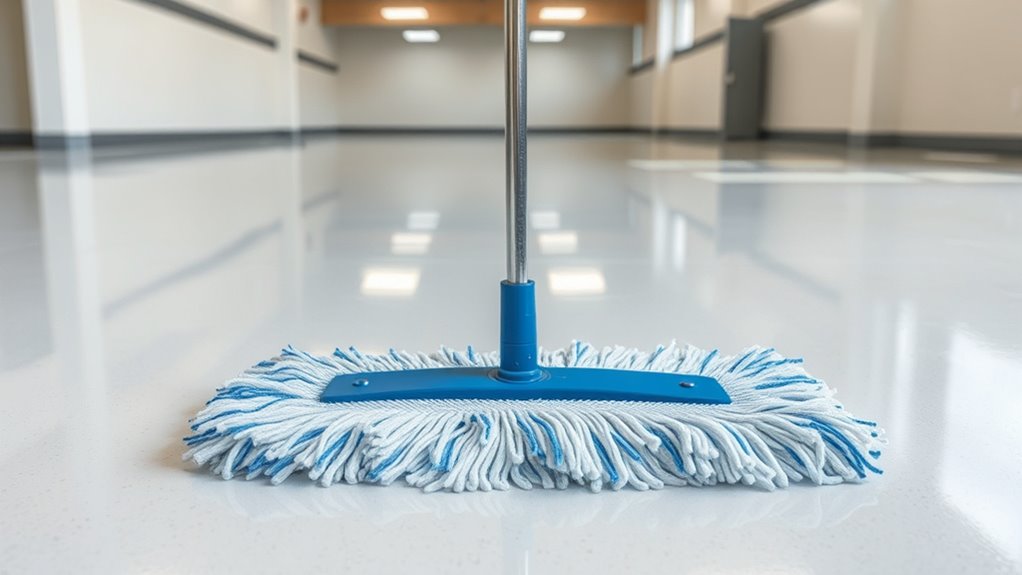
When it comes to maintaining epoxy floors, choosing the right cleaning method can make a big difference in their durability and appearance. One of the key considerations is how often you clean your floors and whether you opt for a dry or damp mop. Your cleaning frequency plays a crucial role in preserving the surface shine and preventing dirt, grime, and debris from dulling the finish. Typically, light cleaning should be done at least once a week, but high-traffic areas may require more frequent attention. Regular maintenance helps keep the epoxy looking fresh and prevents buildup that can scratch or stain the surface over time.
Deciding between a dry or damp mop depends on the level of soil and the type of cleaning needed. A dry mop is excellent for routine dusting and removing loose debris. It’s quick, easy, and effective at capturing dirt that can scratch or dull the epoxy if left untouched. Using a microfiber dry mop is especially beneficial because it attracts dust and small particles without causing damage. On the other hand, a damp mop is better suited for deeper cleaning, especially when there’s sticky residue or stubborn dirt that a dry mop can’t pick up. When using a damp mop, you want to ensure the mop is only slightly moist—not soaked—so you don’t introduce excess water that might seep into the seams or cause streaks. Proper cleaning techniques help maintain the integrity of the epoxy’s surface, including proper cleaning techniques.
Maintaining surface shine is paramount for epoxy floors, and the method of mopping can impact this. Damp mopping with a gentle, pH-neutral cleaner can restore and boost the gloss, especially after heavy use or spills. Avoid harsh chemicals, which can degrade the epoxy’s finish over time. If you’re consistent with your cleaning frequency and use a damp mop appropriately, you’ll notice your floors retain their luster longer. Conversely, neglecting regular cleaning, or using a dry mop only, might leave dust and dirt to settle, gradually diminishing the surface shine.

Microfiber Mops for Hardwood Floor Cleaning – BPAWA Flat Floor Mop with 4 Washable Pads for Laminate Wood Tile Vinyl Home Kitchen Bathroom – 59" Adjustable Handle
Microfiber Mops for Floor Cleaning: Flat floor mop with adjustable long handle, flexible lightweight but sturdy, great for…
As an affiliate, we earn on qualifying purchases.
As an affiliate, we earn on qualifying purchases.
Frequently Asked Questions
How Often Should Epoxy Floors Be Cleaned for Optimal Durability?
You should clean your epoxy floors at least once a week to maintain their durability. Follow a regular maintenance schedule that includes dry mopping daily to remove loose dirt and damp mopping weekly with a gentle cleaner to prevent buildup. This routine helps preserve the finish, reduces scratches, and extends the lifespan of your floors. Adjust cleaning frequency based on foot traffic and environmental factors to keep your epoxy floors in top shape.
Can I Use Household Cleaning Products on Epoxy Floors?
You can’t just grab any household cleaner for your epoxy floors—doing so could turn your shiny surface into a dull disaster! Stick to cleaners specifically labeled as epoxy compatibility, or you risk damage that’s worse than a spilled paint bucket. Use gentle, pH-neutral solutions and avoid harsh chemicals like bleach or ammonia. Your epoxy floor deserves the right care, or it’ll punish you with scratches and discoloration!
Are There Specific Mopping Techniques for Different Epoxy Floor Finishes?
Yes, you should use finish-specific techniques when mopping epoxy floors. For smooth finishes, use straight, overlapping mopping patterns to prevent streaks. Textured finishes may require gentle scrubbing or circular motions to lift dirt effectively. Always adjust your technique based on the finish, and avoid excessive water or harsh scrubbing, which can damage the surface. Proper mopping patterns guarantee your epoxy floor stays clean and retains its shine longer.
What Are the Signs That My Epoxy Floor Needs Professional Cleaning?
Your epoxy floor shows signs like stain detection and gloss loss, much like a fading photograph. When you notice persistent stains that won’t come off with regular cleaning or a dull, lackluster shine, it’s time for professional cleaning. These indicators suggest deep-seated dirt or damage that needs expert attention to restore your floor’s original brilliance and longevity, ensuring it stays protected and looking its best.
How Do Environmental Factors Affect Epoxy Floor Maintenance Routines?
Environmental factors like weather fluctuations and humidity levels considerably impact your epoxy floor maintenance routines. In humid conditions, you need to clean more frequently to prevent moisture buildup, which can cause damage or mold. During dry weather, a damp mop helps remove dust without risking cracks or chips. Adjust your cleaning schedule based on these factors, ensuring your epoxy floor stays durable, shiny, and protected against environmental stressors.

Zep Neutral PH Industrial Floor Cleaner – 1 Gallon – ZUNEUT128 – Concentrated Pro Trusted All-Purpose Floor Cleaner
Maintains polish without stripping protective coating
As an affiliate, we earn on qualifying purchases.
As an affiliate, we earn on qualifying purchases.
Conclusion
To keep your epoxy floors looking their best, choosing the right cleaning method is key. A recent study shows that using a damp mop can extend the lifespan of your epoxy by up to 30%, compared to dry mopping alone. So, next time you clean, opt for a damp mop to maintain that sleek, glossy finish and protect your investment. Remember, a little care goes a long way in keeping your floors stunning for years to come.

CLEANHOME Mops for Floor Cleaning with 3 Different Washable Pads and Extendable 55” Long Handle, Multifunction Dust Mop for Hardwood,Marble,Tile Floor Mopping,Orange
Economical and durable mop: This microfiber dust mop with 3 pieces reusable refill mop pads, the chenille microfiber…
As an affiliate, we earn on qualifying purchases.
As an affiliate, we earn on qualifying purchases.
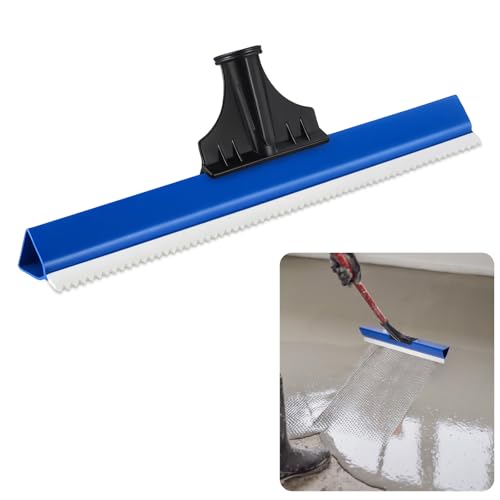
Lanties 1 Pack 16 Inches Epoxy Floor Squeegees Notched Squeegee for Self Leveling Cement Urethane Epoxy Floor Tools
Precision Serrated Tooth Design: the epoxy squeegee edge features 0.16 inch/ 4 mm deep, precisely cut serrations engineered…
As an affiliate, we earn on qualifying purchases.
As an affiliate, we earn on qualifying purchases.