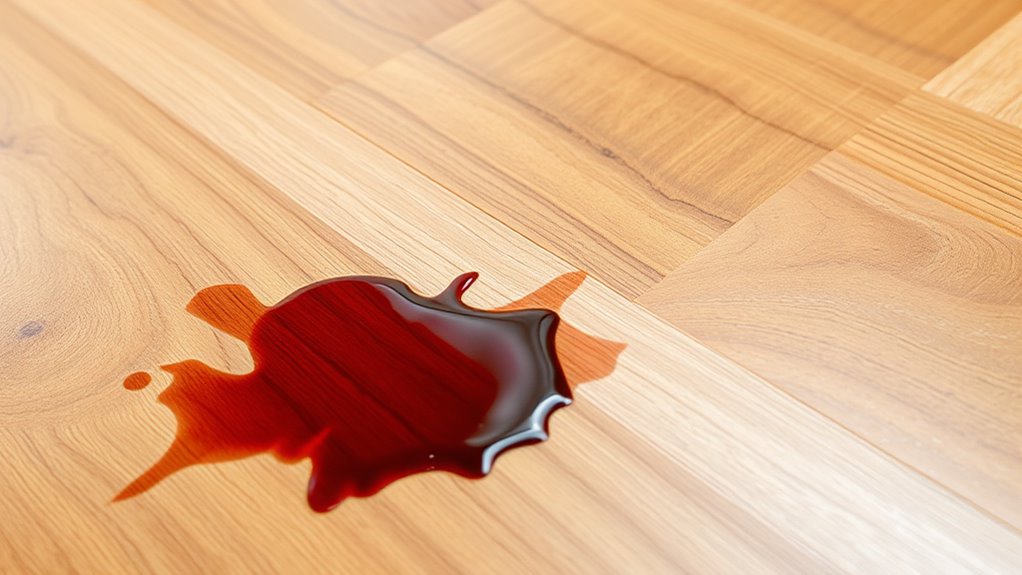

To remove coffee, wine, or grease stains from engineered wood quickly, blot spills immediately with a dry cloth to absorb as much liquid as possible. Gently clean the area with a damp cloth mixed with mild soap or a diluted vinegar solution for tougher stains. Avoid rubbing harshly, and dry the surface thoroughly afterward. Using the right techniques helps prevent permanent damage, and exploring further will reveal more tips to keep your floors pristine.
Key Takeaways
- Blot spills immediately with a dry cloth to prevent stains from setting in.
- Use a mild soap and warm water solution for gentle cleaning of coffee and grease stains.
- For wine stains, dilute white vinegar with water and gently scrub the affected area.
- Avoid rubbing aggressively; focus on blotting and gentle scrubbing to protect the finish.
- Dry thoroughly after cleaning to prevent moisture damage and future stain absorption.
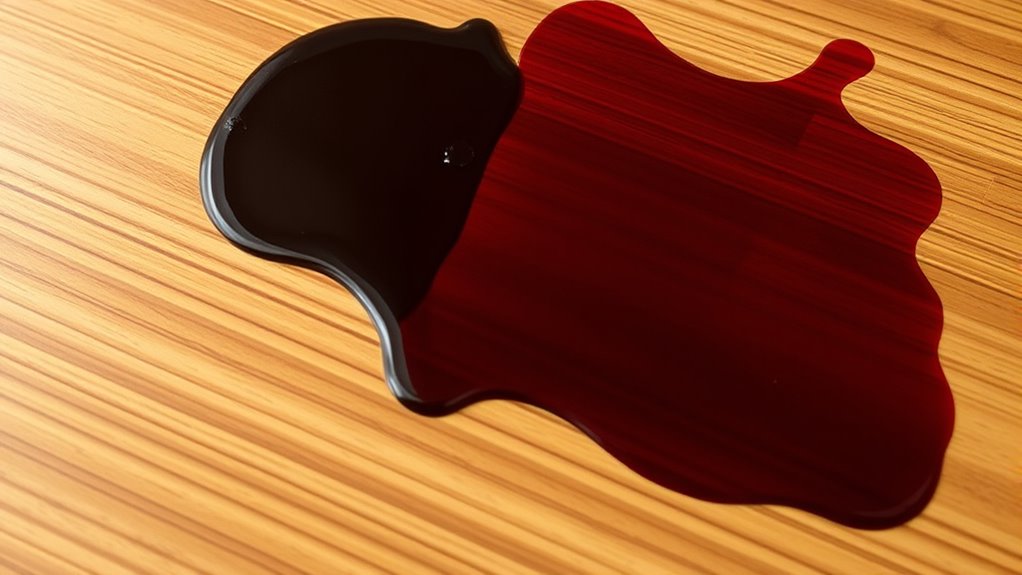
Have you ever wondered how to effectively remove stains from engineered wood without damaging its surface? The key lies in understanding proper cleaning techniques and focusing on stain prevention. Engineered wood is durable but sensitive to harsh chemicals and excessive moisture, so knowing the right steps can save you time and keep your flooring looking beautiful.
First, when you notice a coffee, wine, or grease stain, act quickly. Blot the spill immediately with a clean, dry cloth to absorb as much liquid as possible. Rubbing can spread the stain or embed it deeper into the surface, so gentle blotting is essential. Next, prepare a cleaning solution suitable for engineered wood. A mixture of mild dish soap and warm water works well—just a few drops of soap in a bucket of water. Dampen a soft cloth or sponge with this solution and gently clean the stained area. Avoid soaking the wood, as excessive moisture can cause warping or swelling. After cleaning, wipe the surface with a dry cloth to remove any residual moisture.
Blot stains immediately with a dry cloth, then clean gently with a mild soap and water solution.
For tougher stains like wine or grease, you might need a bit more effort. Apply a small amount of white vinegar diluted with water or a specialized wood floor cleaner designed for engineered wood. Test any cleaning product on an inconspicuous area first to prevent discoloration. Use a soft-bristled brush or cloth to gently scrub the stain, then rinse with a damp cloth and dry thoroughly. Remember, frequent cleaning helps prevent stains from setting in. Regularly sweeping or vacuuming your floors removes dirt and grit that can scratch or dull the surface, making stains more likely to adhere. Additionally, maintaining proper cleaning techniques and using appropriate products can significantly extend the lifespan of your flooring.
Stain prevention is just as important as removal. Use mats or rugs in high-traffic areas and under kitchen appliances to catch spills before they reach the floor. Wipe up spills immediately rather than letting them sit. Avoid walking on wet floors or using harsh cleaning products, which can damage the finish. Applying a protective coating or polish periodically creates an additional barrier against stains and wear.
In essence, mastering cleaning techniques and practicing stain prevention will help you maintain the beauty of your engineered wood floors. The key is to act swiftly, use gentle, appropriate cleaning agents, and protect your surface from future damage. This approach not only makes stain removal easier but also extends the life of your flooring, keeping it looking fresh and new for years to come.

WOCA Denmark Tannin Spot Remover – Removes Black Stains and Rings On Wood Furniture, Wood Cabinets, Wood Floors and Millwork – 9oz
STAIN REMOVER – Removes black stains caused by water and tannins on oak wood surfaces finished with wax,…
As an affiliate, we earn on qualifying purchases.
As an affiliate, we earn on qualifying purchases.
Frequently Asked Questions
Can Engineered Wood Stains Be Permanently Sealed to Prevent Future Damage?
Yes, you can permanently seal engineered wood to prevent future stains. Use effective sealing techniques like applying a high-quality polyurethane or a specialized wood sealant designed for stain prevention. Make sure to clean the surface thoroughly before sealing, and follow the manufacturer’s instructions for the best results. Proper sealing creates a protective barrier, helping you avoid future damage from spills and stains while maintaining your wood’s appearance.
Are There Eco-Friendly Stain Removal Options for Engineered Wood?
Did you know that 85% of homeowners prefer eco-friendly cleaning options? You can use natural stain removal methods for engineered wood, like a mixture of baking soda and water or vinegar and water, to safely tackle stains. These eco-friendly cleaning solutions are effective and gentle, reducing chemical exposure and environmental impact. Always test on a small area first, but natural stain removal is a smart, sustainable choice for preserving your engineered wood.
How Often Should I Reseal Engineered Wood Floors After Stain Removal?
You should reseal your engineered wood floors every 2 to 3 years, depending on sealant maintenance and wear. Regularly check for signs of damage or dullness, which indicate it’s time to reseal. Proper resealing frequency helps protect your floors from stains and moisture, maintaining their appearance and durability. Keep up with your sealant maintenance schedule to ensure your floors stay beautiful and well-protected over time.
Can Homemade Remedies Damage the Engineered Wood Surface?
Did you know that using homemade remedies improperly can cause surface damage on engineered wood floors? You should be cautious because some DIY solutions, like vinegar or lemon juice, are acidic and can etch the surface if left on too long. Always test any homemade remedies in a small, hidden area first. This helps prevent potential surface damage and keeps your floors looking pristine.
Is Professional Restoration Necessary for Deep-Set Stains on Engineered Wood?
For deep-set stains on engineered wood, professional services are often your best bet. DIY solutions might work for surface stains, but they can sometimes worsen the damage if not done correctly. If stains are stubborn or extensive, seeking professional restoration guarantees proper treatment without risking further harm. Professionals have the right tools and expertise to restore your flooring’s appearance effectively, saving you time and potential costly repairs down the line.
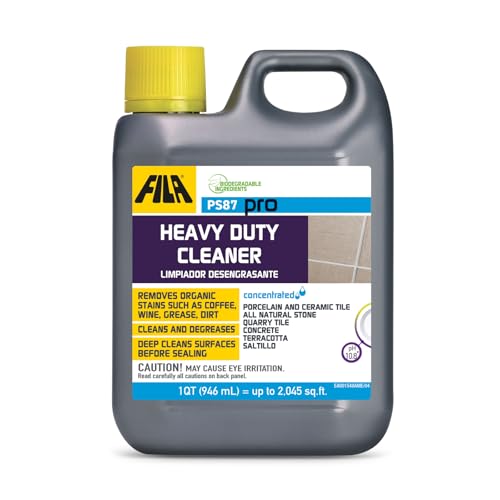
FILA Heavy Duty Cleaner PS87 PRO, Stain Remover Grease, Coffee, Wine, Wax, Ink, Hard Surface Floor Cleaner, ideal for Natural Stone, Terracotta, Quarry Tile, Concrete, Porcelain, 1 QT
Effective heavy duty cleaner and degreaser.
As an affiliate, we earn on qualifying purchases.
As an affiliate, we earn on qualifying purchases.
Conclusion
Now that you know how to tackle coffee, wine, and grease stains on engineered wood, you can keep your surfaces looking pristine. Remember, acting quickly is key—stains set faster than you think. Did you know that over 70% of homeowners worry about maintaining their wood furniture? By following these simple steps, you’ll protect your investment and enjoy a beautiful, stain-free space for years to come. Keep these tips handy, and don’t let stains ruin your day!

Aunt Fannie's Ultra Concentrated Hardwood Floor Cleaner, Vinegar-Free Plant Based Hardwood Floor Cleaner for Mopping, Bright Lemon Scent, 32 oz. (Pack of 1)
Aunt Fannie's Hardwood Floor Cleaner: Contains 32 ounces of lemon-scented natural plant-based floor cleaner that leaves floors sparkling…
As an affiliate, we earn on qualifying purchases.
As an affiliate, we earn on qualifying purchases.

Eazer Floor Scrubber Brush, 2-in-1 Deck Scrubber Brush with Long Handle, Soft & Hard Bristle Brush for Cleaning Concrete, Squeegee Broom for Floor,Bathroom Garage,Kitchen,Wall,Tile and Swimming Pool
2-in-1 Design: The head of this floor brush is made up of a brush + a squeegee. The…
As an affiliate, we earn on qualifying purchases.
As an affiliate, we earn on qualifying purchases.