
Every operator should start their day with a focused 15-minute checklist to guarantee safety, inspect equipment, and organize tasks. Begin by reviewing safety protocols, verifying gear, and confirming emergency exits are clear. Then, inspect machinery for damage or irregularities, and prepare tools and materials needed for the day. Reinforce safety habits and mentally prepare yourself for the tasks ahead. Sticking to this routine helps prevent accidents, boosts efficiency, and fosters a safety-first culture—keep going to discover more essential steps.

Get cleaning gear delivered free with Prime
- Fast, free delivery on millions of items
- Prime Video, Amazon Music and more included
- Member-only deals all year
Key Takeaways
- Conduct a quick safety check, ensuring gear, exits, and fire extinguishers are accessible and in good condition.
- Inspect equipment for wear, leaks, or damage, logging issues immediately to prevent costly repairs.
- Review daily tasks, confirm tools/materials are ready, and prioritize to minimize delays and errors.
- Reinforce safety protocols through clear communication, emphasizing the importance of a safety-first mindset.
- Mentally prepare by visualizing tasks, recapping safety priorities, and focusing to enhance efficiency and reduce stress.

First, dedicate a few minutes to review safety protocols. Check that all safety gear is in place and functioning correctly. Confirm that emergency exits are clear, fire extinguishers are accessible, and safety signs are visible and legible. Remind yourself to stay alert and follow proper procedures, especially when handling hazardous materials or operating heavy machinery. This quick safety check not only helps you identify potential hazards early but also reinforces a safety-first mentality, which is essential for protecting yourself and your colleagues. Incorporating powerful persuasive words into your safety communication can further emphasize the importance of adherence to protocols.
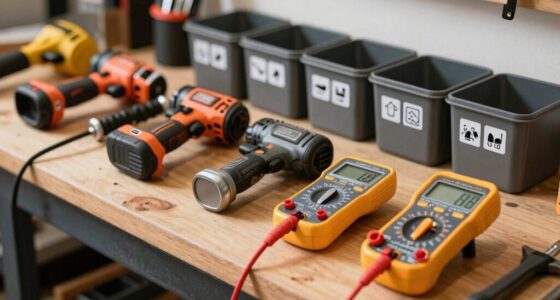
Next, turn your attention to equipment maintenance. Use this time to inspect your tools and machinery for any signs of wear or damage. Look for leaks, loose bolts, unusual noises, or vibrations. Ensure safety covers and guards are securely in place. If you notice anything out of the ordinary, report it immediately and log the issue for maintenance. Performing these quick inspections prevents small problems from escalating into major repairs or safety incidents. Consistent equipment checks also extend the lifespan of your tools and machinery, saving you time and money in the long run.
While covering safety protocols and equipment maintenance, don’t forget to review your work plan for the day. Prioritize tasks based on urgency and safety considerations. Confirm that all necessary tools and materials are ready and accessible. This proactive step minimizes delays and keeps your workflow smooth, reducing the risk of rushing through tasks and making mistakes.
Finally, end your checklist with a brief mental review. Visualize your tasks for the day, keeping safety and maintenance at the forefront. A quick mental recap helps you stay focused and prepared, reducing stress and improving efficiency. By consistently dedicating just 15 minutes each morning to this routine, you establish a disciplined approach that enhances safety, prolongs equipment life, and boosts overall productivity. It’s a small investment of time that yields significant benefits, making your workday safer, more organized, and less stressful.
As an affiliate, we earn on qualifying purchases.
Frequently Asked Questions
How Does the Checklist Improve Overall Operational Safety?
The checklist boosts your safety culture by encouraging routine safety checks, which help you identify hazards early. By adhering to it daily, you stay aligned with compliance standards, reducing the risk of accidents. It keeps safety top of mind, promotes accountability, and guarantees consistent safety practices. This proactive approach makes your operations safer, fostering a culture where safety is a shared priority, and everyone understands their role in maintaining a secure work environment.
Can the Checklist Be Customized for Different Industries?
While it might seem like a one-size-fits-all approach, you can definitely tailor the checklist to suit different industries. Industry adaptation is key, and using customization strategies allows you to highlight specific safety concerns and operational needs. By adjusting the checklist, you ensure it remains relevant, practical, and effective, helping your team stay vigilant and efficient regardless of the unique challenges in your industry.
What Tools Are Necessary to Efficiently Complete the Checklist?
To efficiently complete your checklist, you’ll want digital tools that streamline the process. Using checklist automation software saves time and reduces errors by digitizing tasks. These tools can send reminders, track progress, and organize your daily routines, making sure nothing gets overlooked. With the right digital tools, you’ll stay consistent and productive, ensuring your daily tasks are completed swiftly and accurately every day.
How Often Should the Checklist Be Reviewed and Updated?
Think of your checklist like a garden that needs regular tending. You should review and update it quarterly, aligning it with performance metrics and employee training updates. This keeps the checklist fresh, relevant, and effective—like pruning a tree to ensure healthy growth. Regular reviews help identify new challenges and opportunities, so you stay proactive, improve safety, and boost operational efficiency consistently.
What Are Common Pitfalls When Implementing This Daily Routine?
When implementing this daily routine, watch out for training challenges that can hinder understanding and consistency. You might also face employee engagement issues if staff see little value in the checklist or feel rushed. To succeed, guarantee clear communication and ongoing support. Address training challenges early, involve your team, and emphasize the routine’s benefits to keep everyone motivated and committed, making the process more effective and sustainable.
Conclusion
By following this quick 15-minute daily checklist, you can boost efficiency and catch issues early. Did you know that businesses that implement routine checklists see up to a 30% reduction in errors? Staying proactive keeps operations smooth and minimizes downtime. So, take those 15 minutes each day—you’ll save time and stress in the long run. Consistency is key, and your efforts today set the stage for a more productive tomorrow.
Columbus Day / Indigenous Peoples' Day Picks
long weekend sales
As an affiliate, we earn on qualifying purchases.