
TL;DR

Get cleaning gear delivered free with Prime
- Fast, free delivery on millions of items
- Prime Video, Amazon Music and more included
- Member-only deals all year
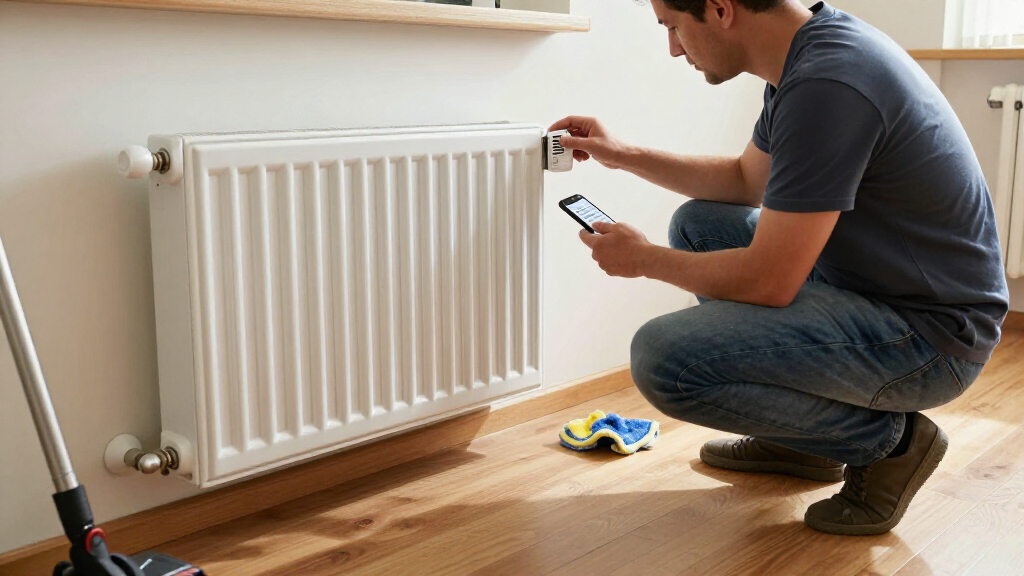
Heating experts quoted by Ideal Home say no single central heating timetable suits every household. The report’s writer plans to test morning, midday and evening heating periods, adjusting them based on household routines and how the home cools.
An Ideal Home report says households should determine their central heating schedule by tracking when rooms are used and how quickly their homes lose heat, rather than relying on one standard timetable. The article’s writer plans to test morning, midday and evening heating periods around a family’s school and work routines, then adjust the schedule as winter conditions change.
The experts quoted in the report say a suitable schedule depends on the home and the people living in it. Patrick Garner, a Gas Safe-registered engineer at Heatable, said there is no single schedule that works for every property. Martin Garbutt, head of technical governance at Ding, also advised trial and observation rather than copying a generic rule.
The report’s writer proposes running the heating from 5:30 to 9 a.m. to warm the home before the family wakes, then from noon to 2 p.m. while working from home. A further period, 5 to 8 p.m., is intended to cover the time when the children return from school and the family is home in the evening. This is a proposed starting point for that household, not a recommended schedule for all homes.
Tom Houlker, director of heating and cooling specialist Houlkair, said schedules should reflect when each room is used and allow time for it to become comfortable. He also cautioned that rooms heat at different rates, depending on factors such as their size, windows and external walls. The report says colder weather may call for timing adjustments, but does not offer a fixed rule for how many extra minutes to add.
A Schedule Built Around Daily Use
A tailored timetable can help households heat the home when people need it, instead of assuming that a standard morning-and-evening pattern fits everyone. The report’s example highlights how work-from-home hours, school routines and evening occupancy can shape when heating is needed.
How well a schedule works also depends on the building. A home that loses heat quickly may need different timings from one that holds warmth for longer. The experts’ advice is to observe those differences and adjust the schedule, rather than treating a published timetable as a guarantee of comfort or savings. The source does not quantify potential energy or cost reductions.
Products Worth Considering

Levoit Core 400S-P Smart Air Purifier for Large Rooms

LG S90TR 7.1.3‑Channel OLED Evo TV Matching Home Theater Soundbar (Black)

Philips Hue Festavia 65-Foot Smart LED String Lights, 250 Color-Changing Mini LEDs
As an affiliate, we earn on qualifying purchases.
Why Homes Need Different Timetables
The report was prompted by the seasonal return of colder weather and its writer’s concern that their home is inefficient at retaining heat. It describes a household with an early school run and a person working from home, circumstances that inform the proposed schedule.
The article also notes that the household may use a log burner and open fire on the ground floor during colder periods. That could affect how the central heating is used there, though the report does not assess the performance or safety of those appliances. Its main point is that home design and household habits both affect a practical heating plan.
“There isn’t one perfect heating schedule because every house is different.”
— Patrick Garner, Gas Safe-registered engineer at Heatable
What the Trial Cannot Settle Yet
The proposed timetable is a plan to test, not a report of measured results. The source does not say whether the schedule was later followed, how comfortable the home remained, or whether it changed energy use or bills.
It also gives no measured heat-loss data, thermostat settings, boiler details or room-by-room temperatures for the home. The best timings for another household therefore cannot be inferred from this example. The report’s experts present observation as a way to adapt the schedule, but do not specify a universal test period or a numerical adjustment for each change in outdoor temperature.
Testing the Proposed Heating Hours
The next step described in the report is for its writer to try the three heating periods and watch how the home responds. That means paying attention to whether rooms are comfortable at wake-up, whether warmth lasts through the working day, and how the house feels after school and in the evening.
If the home cools quickly or takes too long to warm, the writer plans to change the timings rather than keep to the initial schedule. The source does not provide a follow-up date or results, so any outcome remains unreported.
Key Questions
Is there one ideal central heating schedule?
No. The experts quoted by Ideal Home say a suitable schedule depends on the home, its occupants’ routines and how quickly it loses heat.
What schedule does the article’s writer plan to try?
The proposed periods are 5:30 to 9 a.m., noon to 2 p.m. and 5 to 8 p.m.. They reflect that household’s early school routine, work-from-home day and evening activity; they are not universal recommendations.
How should households work out their own heating times?
The experts advise starting with when rooms are used, then observing how quickly the home warms and cools. Adjust the timings based on those observations rather than assuming another household’s schedule will work.
Does the report say the proposed schedule will cut energy bills?
No. It offers no measured energy-use or bill results. The proposed timetable has not been reported as tested, and the source does not quantify possible savings.
Source: rss