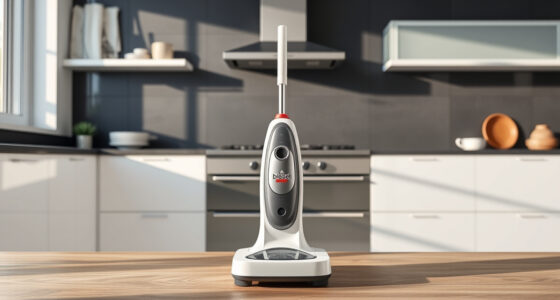
You should end the mop-and-bucket process when the water becomes visibly dirty or murky, as this indicates it’s no longer effective at cleaning. Keep an eye on the mop’s condition and surface appearance—dull or less clean surfaces suggest it’s time for a change. Regularly rinsing and wringing your tools helps maintain hygiene and efficiency. Paying close attention to these cues will help you clean thoroughly while minimizing waste—learn more to master the process.

Get cleaning gear delivered free — and shop member deals
- Fast, free delivery on millions of items
- Access to Prime Big Deal Days deals on October 6–7
- Prime Video, Amazon Music and more included
Key Takeaways
- Change water when it becomes visibly dirty to prevent spreading dirt and ensure effective cleaning.
- Rinse or replace the mop when it starts to smell or shows visible grime buildup.
- Observe surface appearance; if surfaces look less clean, it’s time to refresh water or tools.
- Monitor water clarity and mop condition; murky water indicates the need for a change.
- Use environmentally friendly practices by changing water only when necessary to reduce waste.
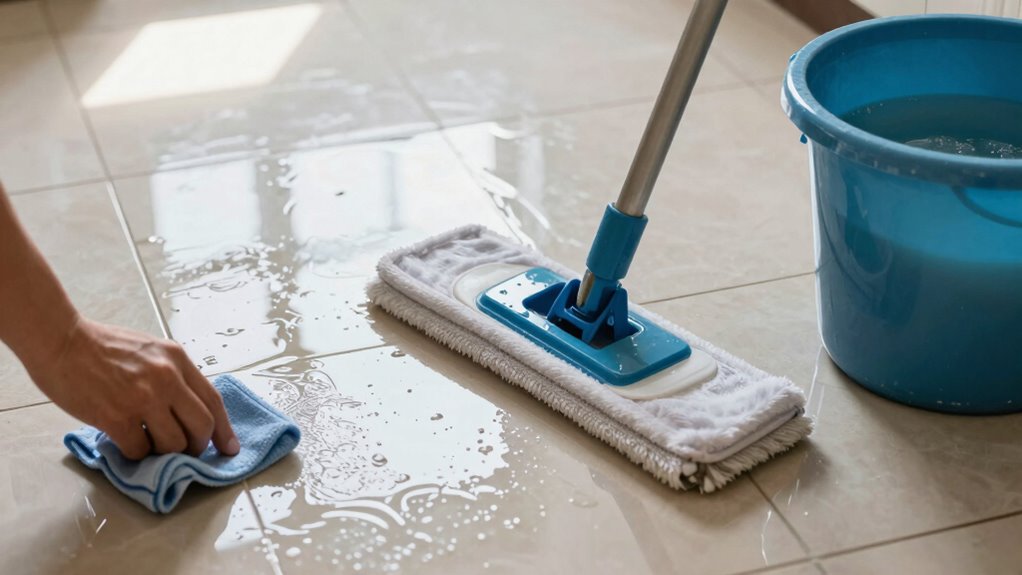
Knowing when to end a mop-and-bucket cleaning process is essential for ensuring a thorough job without wasting effort or resources. You want to strike a balance between cleaning effectively and avoiding unnecessary work. As you mop, keep an eye on the clarity of your cleaning process. When the water becomes visibly dirty, it’s a clear sign that you should change it. Using dirty water reduces cleaning efficiency because you’re just spreading dirt around instead of removing it. Fresh water helps lift grime, making your efforts more effective and ensuring surfaces are truly clean. Continuing to mop with murky water not only compromises your results but also wastes your time and cleaning supplies.
Another key indicator to evaluate is the environmental impact of your cleaning process. The more often you change the water unnecessarily, the more waste you generate, which can affect the environment. To minimize this, try to use the water efficiently—changing it only when it becomes too dirty to clean properly. This approach reduces the amount of wastewater and cleaning agents used, supporting eco-friendly practices. Additionally, using environmentally friendly cleaning solutions can further lessen your ecological footprint, especially if you’re mindful about how often you switch out water and cleaning products. Being aware of waste reduction techniques can help you make more sustainable choices during cleaning. Incorporating sustainable cleaning practices can further enhance your efforts to reduce environmental impact. Recognizing the importance of proper tool maintenance can also improve your cleaning efficiency and hygiene. Regularly inspecting your tools and replacing worn-out parts can extend their lifespan and maintain their effectiveness.
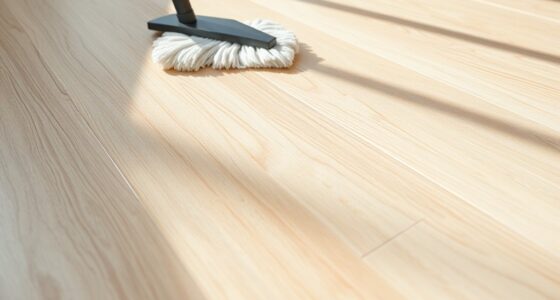
You should also pay attention to the condition of your mop. When the mop head is saturated with dirt, it’s less effective at cleaning and may even spread bacteria or grime. If your mop is visibly soiled or starts to smell, it’s time to rinse or replace it. Continuing to mop with a dirty mop head diminishes cleaning efficiency and can undermine your efforts to maintain a hygienic space. Regularly rinsing and wringing out your mop prevents dirt buildup, ensuring each pass is more effective and reduces the need for frequent water changes. Additionally, understanding the importance of clean tools can help you maintain optimal hygiene and cleaning effectiveness. Proper maintenance of cleaning tools is also vital for preventing the spread of germs and ensuring a thorough cleaning.
Lastly, trust your senses. If the surface you’re cleaning starts to look dull or doesn’t appear as clean as before, it might be time to change your water or mop head. Overworking the same water and tools can lead to a less effective cleaning process, which defeats the purpose of using a mop-and-bucket system in the first place. By paying attention to water clarity, mop condition, and the appearance of your cleaned surfaces, you’ll know when to end the process. This mindful approach maximizes cleaning efficiency and minimizes environmental impact, helping you achieve a cleaner space with less waste. Being mindful of cleaning efficiency can guide your decisions to optimize results while conserving resources.
As an affiliate, we earn on qualifying purchases.
Frequently Asked Questions
How Often Should I Change the Mop Water During Cleaning?
You should change the mop water whenever it becomes visibly dirty or when you notice increased floor residue buildup. Typically, this means replacing the water every 3 to 4 rooms or after about 10-15 minutes of cleaning. If you see signs of mop water contamination, like murkiness or a foul smell, change it immediately. Regularly switching out the water prevents spreading dirt and keeps your floors truly clean.
Can I Reuse Dirty Mop Water for Multiple Cleaning Sessions?
You shouldn’t reuse dirty mop water for multiple cleaning sessions. For example, if you reuse contaminated mop water, you risk spreading germs and dirt instead of cleaning effectively. Reuse concerns include bacteria buildup and reduced cleaning power. Always change your mop water regularly to guarantee cleanliness. Using fresh water each time guarantees a thorough clean and helps prevent cross-contamination, keeping your space hygienic and safe.
What Signs Indicate the Mop Process Is No Longer Effective?
You’ll know the mop process is no longer effective when the mop material looks visibly dirty or stained, and cleaning frequency doesn’t leave surfaces spotless anymore. If you notice streaks, grime, or if the mop isn’t absorbing water well, it’s time to change or rinse it. Regularly evaluating these signs guarantees your cleaning remains effective and prevents spreading dirt, keeping your space fresh and hygienic.
Are There Specific Cleaning Products That Extend Mop Lifespan?
Did you know that using the right cleaning products can extend your mop’s lifespan by up to 30%? Choosing products suitable for your mop material and adjusting your cleaning frequency helps prevent damage. For example, microfiber mops benefit from gentle, pH-balanced solutions, while more frequent cleaning can reduce grime buildup. By selecting proper products and maintaining consistent cleaning routines, you guarantee your mop stays effective longer, saving you money and effort.
How Do Different Floor Types Affect When to End Mopping?
You should end mopping based on floor type, considering floor texture and mop material. For smooth, non-porous surfaces like tile or vinyl, stop once dirt and grime are removed and the floor looks clean. For textured or porous floors such as hardwood or stone, make sure you’ve cleaned thoroughly without oversaturating. Use a microfiber mop for delicate surfaces, and watch for signs of over-mopping, like excess moisture or streaks, to know when to finish.
Conclusion
Ultimately, trusting your senses is key—if the water looks dirty, smells foul, or your mop isn’t picking up grime, it’s time to stop. Some believe a well-timed change prevents spreading dirt, but recent studies suggest that rinsing and wringing thoroughly can extend cleaning efficiency. So, follow your instinct, but also consider evidence: a clean mop and fresh water usually mean your process should end—and your floors are truly clean.
Halloween Picks
halloween
As an affiliate, we earn on qualifying purchases.