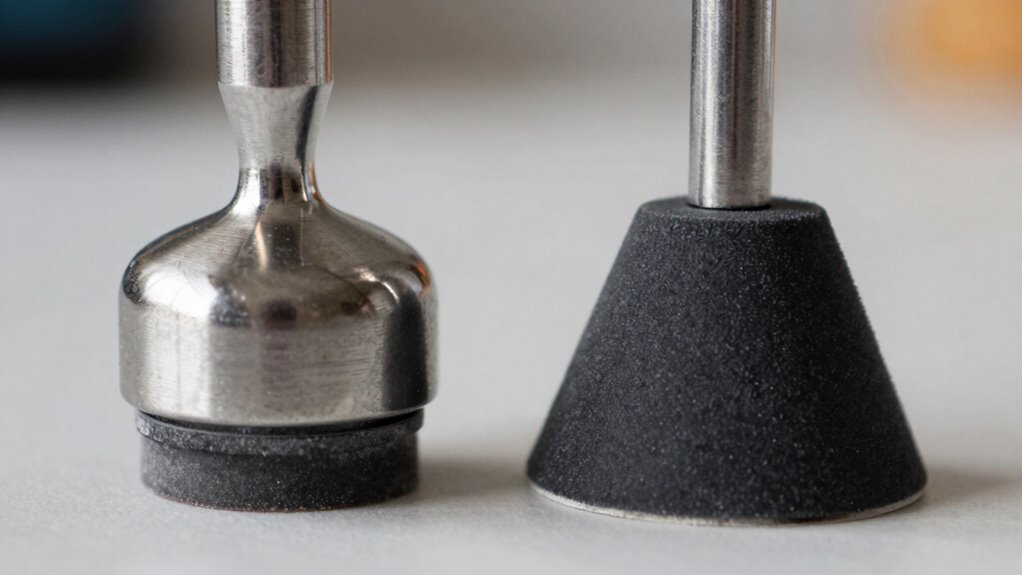

A burnisher is designed to create a high-gloss, mirror-like finish by applying gentle pressure and polishing the surface without removing much material. In contrast, a polisher is used for cleaning, smoothing, and correcting surfaces by removing a thin layer of material and tackling imperfections like scratches or dirt. Knowing when to use each tool helps you achieve the perfect finish. If you want to learn more about their differences, keep exploring the details below.

Get cleaning gear delivered free with Prime
- Fast, free delivery on millions of items
- Prime Video, Amazon Music and more included
- Member-only deals all year
Key Takeaways
- Burnishers produce a high-gloss, reflective surface without significant material removal, unlike polishers that remove thin layers for correction.
- Burnishers apply pressure with rotary or oscillating heads to enhance appearance, whereas polishers use abrasive pads for cleaning and surface prep.
- Burnishers focus on aesthetic enhancement and creating mirror-like finishes, while polishers target surface correction and removal of scratches.
- Burnishing involves multiple fine passes to smooth surfaces, whereas polishing involves switching abrasive pads to remove imperfections.
- Proper tool maintenance and handling are essential for both, but burnishers emphasize surface finish without material removal, unlike polishers.
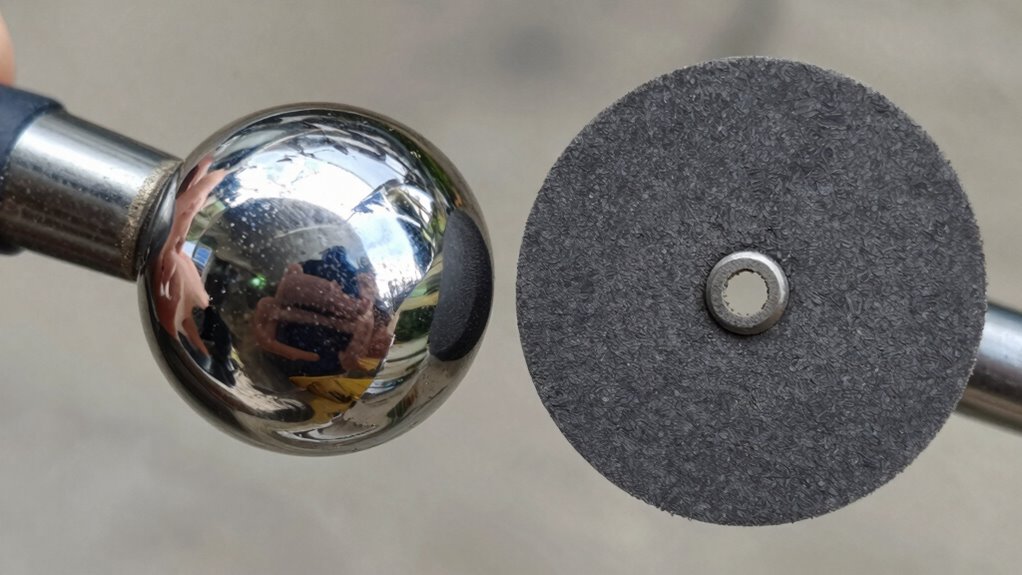
Have you ever wondered what sets a burnisher apart from a polisher? While both tools are used to improve the appearance of surfaces, they serve quite different purposes and operate in distinct ways. Understanding these differences is vital if you want to achieve the best surface finishing results and guarantee proper tool maintenance. A burnisher is primarily designed to produce a high-gloss, smooth finish on surfaces like metal, wood, or plastic. It works by applying pressure with a rotary or oscillating head, smoothing out imperfections and creating a reflective shine. You’ll notice that burnishers don’t typically remove much material; instead, they enhance the surface’s appearance by polishing it to a mirror-like finish. This process requires a keen eye for detail and patience, as burnishing often involves multiple passes with finer abrasives or polishing compounds. Proper tool maintenance is essential to preserve the quality of your burnisher and ensure it continues to deliver optimal results. Additionally, a well-maintained burnisher can help prevent surface damage caused by neglect or improper handling. Using the correct surface finishing techniques can significantly improve the effectiveness of your burnishing process.
In contrast, a polisher is more versatile and often used for aggressive cleaning, removing scratches, or preparing a surface for further finishing. It usually features a rotating pad or brush, which, combined with abrasive pads or compounds, can cut through dirt, oxidation, or roughness. When you use a polisher, you’re engaging in a form of surface preparation or correction, which sometimes involves removing a thin layer of material to achieve a smoother or more uniform surface. The key to effective surface finishing with a polisher is knowing when to switch from more abrasive pads to finer ones, as this helps you achieve a desired level of smoothness without damaging the material. Regular tool maintenance, such as cleaning and replacing worn-out pads, is essential to keep your polisher functioning efficiently and delivering peak results. Proper maintenance practices will extend the lifespan of your polishing tools and ensure consistent performance.
The main distinction lies in their purpose and the techniques involved. Burnishers are all about enhancing the surface’s aesthetic appeal through a gentle, refined touch. Polishes, however, are used for more substantial surface preparation, cleaning, or correction. If you’re aiming for a shiny, mirror-like finish, a burnisher is your go-to tool, but it requires careful handling and consistent surface finishing techniques. On the other hand, polishing tools demand a focus on tool maintenance—keeping your pads clean and selecting the right abrasives for each stage of your project. Knowing when to switch between these tools and how to maintain them will help you get the best results, whether you’re restoring a piece of furniture, refining a metal surface, or preparing a surface for final finishing.
As an affiliate, we earn on qualifying purchases.
Frequently Asked Questions
Can Burnishers Be Used on All Types of Surfaces?
Burnishers can’t be used on all surfaces because their surface compatibility depends on material suitability. You need to take into account the type of surface you’re working with, as some materials may get damaged or not respond well to burnishing. For example, delicate surfaces like soft plastics or certain metals might require gentler tools. Always check the manufacturer’s guidelines to ensure your burnisher is compatible with your specific surface, avoiding potential damage.
How Long Does a Typical Burnishing Process Take?
The burnishing process typically takes about 15 to 30 minutes, depending on the surface and desired finish. You should focus on thorough surface preparation and make certain your equipment is compatible with the material you’re working on. Properly cleaning and prepping the surface before burnishing helps achieve a smooth, glossy finish efficiently. Patience and the right equipment can considerably reduce the time needed, giving you professional results faster.
Are Burnishers and Polishers Suitable for Professional Use?
Yes, burnishers and polishers are suitable for professional use, especially when you prioritize surface compatibility and equipment durability. For example, a jewelry maker used a high-quality burnisher to achieve a smooth, shiny finish on delicate metals, ensuring the tool’s durability for frequent use. These tools are built to withstand rigorous tasks, making them ideal for professional settings where consistent results and equipment longevity matter most.
What Safety Precautions Should I Take When Using a Burnisher?
When using a burnisher, you should always wear safety gear like gloves, goggles, and a mask to protect against chemical fumes and debris. Make sure you’re in a well-ventilated area, and handle all chemicals carefully, following the manufacturer’s instructions. Keep your workspace clear of clutter, and avoid distractions to prevent accidents. Proper safety precautions help you work effectively while minimizing health risks associated with chemical handling.
How Do I Maintain and Clean a Burnisher or Polisher?
To maintain and clean your burnisher or polisher, regularly perform equipment maintenance by inspecting for damage and replacing worn parts. Use proper cleaning techniques, such as wiping down surfaces with a damp cloth and removing debris from vents and pads. Guarantee the power cord stays untangled and free of damage. Properly storing the equipment after use also prolongs its lifespan, keeping it ready for peak performance.
Conclusion
Think of a burnisher as a master sculptor, gently refining and shining your surface, while a polisher is more like a lively artist, bringing out the shine with bold strokes. I once watched a craftsman switch from a polisher to a burnisher, and suddenly, the surface transformed from shiny to a mirror-like perfection—like polishing a gemstone until it sparkled with clarity. Understanding these differences helps you choose the right tool to achieve your desired finish.
Halloween Picks
halloween
As an affiliate, we earn on qualifying purchases.