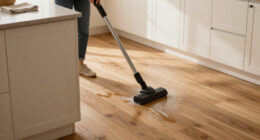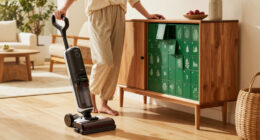
During rainy weather, you should regularly sweep and shake out doormats both inside and outside to trap mud and moisture. Wipe down surfaces quickly to prevent water spots and use damp cloths with mild detergent for stubborn stains. Improve ventilation and use water-resistant flooring or sealants to prevent damage. Keep outdoor tools clean and inspect for mud or water buildup often. For more effective tips on maintaining your entryway during the rain, continue with these helpful strategies.

Get cleaning gear delivered free — and shop member deals
- Fast, free delivery on millions of items
- Access to Prime Big Deal Days deals on October 6–7
- Prime Video, Amazon Music and more included
Key Takeaways
- Place and regularly clean high-quality, absorbent doormats both outside and inside to trap mud and moisture.
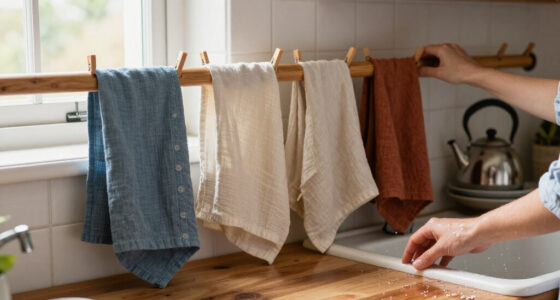
- Wipe down surfaces promptly with a microfiber cloth to remove water spots and prevent stains.
- Improve ventilation to reduce moisture buildup and prevent mold or water damage.
- Sweep debris daily after rain, followed by damp mopping with suitable cleaning solutions.
- Inspect and maintain flooring and mats regularly to prevent mud tracking and water stains.
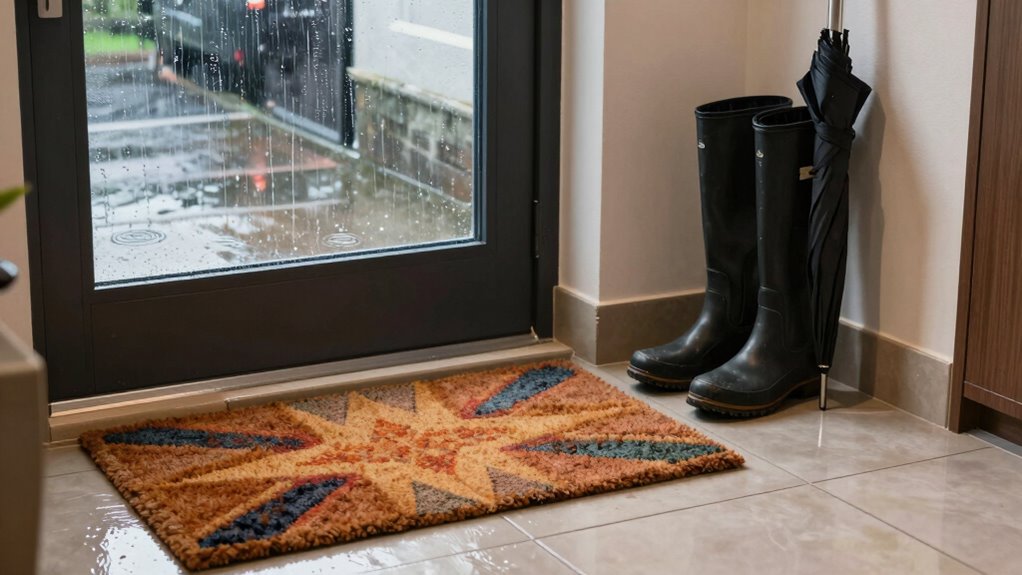
Rainy weather can quickly turn your entryway into a muddy, wet mess, making it crucial to clean and maintain this space regularly. As people come in from the rain, mud tracking becomes a common problem. Dirt and mud from shoes get tracked onto your floors, creating a slippery, dirty surface that’s tough to clean if left unchecked. To combat this, place doormats both outside and inside your entryway. Opt for absorbent, high-quality mats that trap mud and moisture before it gets further into your home. Encourage everyone to wipe their feet thoroughly or remove shoes altogether, especially during heavy rain. This simple step greatly reduces the amount of mud and dirt that gets tracked inside.
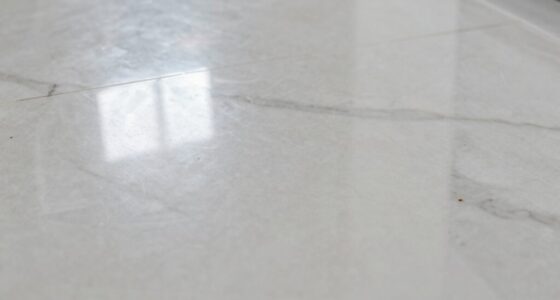
Water stains are another challenge you face during rainy weather. When water splashes or drips from umbrellas and raincoats, it can leave unsightly marks on your flooring or walls. To prevent water stains, make sure your entryway is well-ventilated so moisture doesn’t linger. Regularly wipe down surfaces with a microfiber cloth to remove any water spots before they set in. For stubborn stains, a mixture of water and mild detergent can do the trick. Avoid letting water sit for too long, as it can seep into cracks or seams, causing damage over time. Applying a protective sealant to your flooring can also help prevent water stains from penetrating the surface. Proper ventilation is essential to keep moisture levels low and prevent mold growth. Additionally, choosing water-resistant flooring options can provide extra protection during wet months. Taking steps to improve the moisture control in your entryway can significantly extend the longevity of your flooring and furnishings. Incorporating moisture barriers can further reduce the risk of water damage and help maintain a dry environment. Regular maintenance of outdoor power tools, such as cleaning and storing them properly, can also help keep your entryway free of mud and debris during rain.
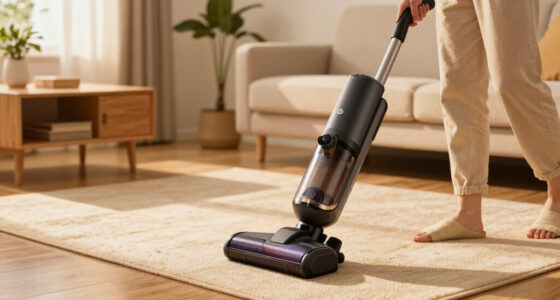
Maintaining your entryway during rainy weather involves regular sweeping and mopping. Use a sturdy broom to sweep away mud and debris at least once a day, especially after heavy rain. Follow up with a damp mop using a cleaning solution suitable for your flooring type. This ensures that any residual mud or water stains are thoroughly removed. If your flooring is hardwood or tile, consider applying a water-resistant coating to minimize damage and stains. Don’t forget to check your mats and rugs frequently, shaking out or washing them as needed to keep mud and dirt from accumulating.
Finally, keep an eye on the overall condition of your entryway. Water can cause damage to paint, wood, and other materials if not addressed promptly. Regularly inspect for signs of water stains or muddy buildup, and take action immediately. By staying proactive and attentive, you’ll maintain a clean, safe, and welcoming entryway, even during the wettest months. Regular cleaning and preventive measures are your best tools to keep mud tracking and water stains under control during rainy weather.
water-resistant doormat outdoor indoor
As an affiliate, we earn on qualifying purchases.
As an affiliate, we earn on qualifying purchases.
Frequently Asked Questions
How Often Should I Clean My Entryway During Rainy Seasons?
You should clean your entryway at least once a week during rainy seasons. This seasonal cleaning helps remove mud, dirt, and moisture, preventing damage and maintaining a welcoming look. Regularly sweep and wipe down the entrance decor to keep it fresh and inviting. Don’t forget to check and clean mats frequently, as they trap dirt and moisture, helping your entryway stay tidy and safe, even in wet weather.
What Materials Are Best for Cleaning Wet Entryway Floors?
Did you know wet floors can cause slips and falls? To prevent this, use durable cleaning tools like microfiber mops and scrub brushes, which effectively remove dirt and moisture. For surface treatments, opt for waterproof sealants or anti-slip coatings to enhance safety. These materials are best for cleaning wet entryway floors because they resist water damage and provide traction, keeping your entryway safer during rainy seasons.
How Can I Prevent Mud From Tracking Inside?
To prevent mud from tracking inside, focus on mud management and shoe maintenance. Place a sturdy doormat outside and encourage everyone to wipe their shoes thoroughly before entering. Consider using a boot scraper or a dedicated shoe rack with trays to catch excess mud. Regularly clean and dry shoes to avoid mud buildup, and remind everyone to remove muddy footwear promptly. These steps help keep your entryway clean and mud-free.
Are There Eco-Friendly Cleaning Options for Rainy Weather?
You can definitely choose eco-friendly cleaning options during rainy weather. Think about using natural solutions like vinegar, baking soda, or eco-conscious biodegradable cleaners—they’re effective and safe for the environment. When you clean your entryway, these options help protect waterways and reduce chemical exposure. Rainy weather can make cleaning tricky, but with eco-friendly products, you’re safeguarding the planet while keeping your space fresh. Ready to make a green switch?
What’s the Best Way to Dry Wet Entryway Mats Quickly?
To dry wet entryway mats quickly, use effective cleaning tools like a squeegee or a microfiber towel to remove excess water promptly. Employ drying techniques such as placing the mats in a well-ventilated area, using fans, or setting them in direct sunlight if possible. These methods speed up the drying process and prevent mold or mildew, keeping your entryway clean, dry, and inviting even during rainy weather.
Conclusion
Keeping your entryway clean during rainy weather is essential to prevent mud and water from spreading inside. Regularly sweeping, wiping down surfaces, and using mats can make a big difference. Did you know that homes with clean entryways see a 30% reduction in indoor dirt and moisture? Staying proactive not only keeps your space tidy but also protects your floors and furniture. So, make cleaning a quick daily habit, and your home will stay fresher and drier all season long.
Halloween Picks
halloween
As an affiliate, we earn on qualifying purchases.