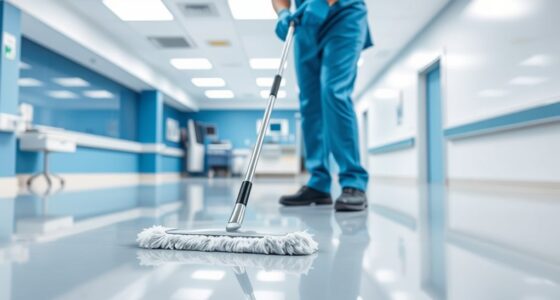

As a manager, you should review adherence to cleaning schedules to guarantee tasks are completed on time and identify any delays or missed areas. Check staff performance metrics to spot high and underperformers, and assess the quality of work to uphold standards and address any recurring issues. Analyze resource and equipment usage for efficiency and waste. Keeping an eye on overall performance helps you spot opportunities for improvement—continue exploring to open the full potential of your cleaning operations.

Get cleaning gear delivered free with Prime
- Fast, free delivery on millions of items
- Prime Video, Amazon Music and more included
- Member-only deals all year
Key Takeaways
- Adherence to scheduled tasks to ensure timely completion and identify scheduling issues.
- Staff performance metrics to recognize high performers and address underperformance.
- Quality of work and standards, including customer feedback and recurring cleanliness issues.
- Resource and equipment usage efficiency, waste, shortages, and maintenance needs.
- Overall performance trends and opportunities for continuous improvement and targeted training.
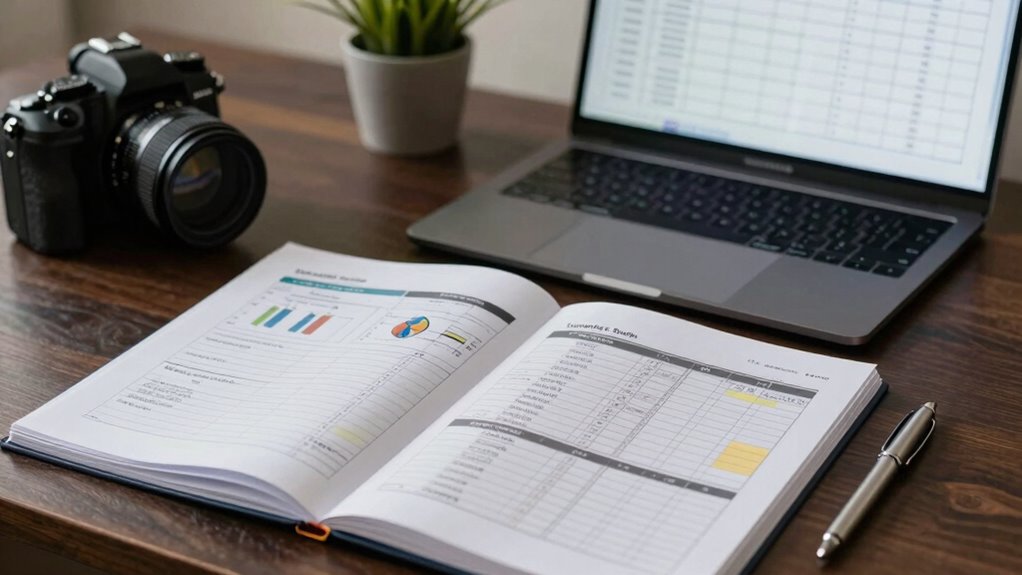
Have you ever wondered how effectively your cleaning team is performing week after week? Reviewing weekly cleaning reports is essential for understanding your team’s productivity and maintaining high standards. When you analyze these reports, start by examining the adherence to cleaning schedules. Are tasks being completed on time? Consistent adherence to schedules indicates good time management and discipline among staff. If certain areas are frequently overlooked or tasks are delayed, that’s a clear sign to address scheduling issues or provide additional training. Guaranteeing that staff performance aligns with your cleaning schedules helps prevent backlog and keeps your facility consistently clean.
Next, focus on staff performance metrics within the reports. Are individual team members meeting their responsibilities? Look for patterns such as repeated missed tasks, incomplete work, or areas that require re-cleaning. These details reveal who may need additional support, coaching, or motivation. Recognizing high performers allows you to reinforce positive habits, while identifying underperformers gives you an opportunity to implement targeted improvements. Staff performance directly impacts the overall cleanliness and operational efficiency, so addressing discrepancies early prevents larger issues down the line. Regularly reviewing these details helps you identify performance gaps that need attention.
Monitoring staff performance helps identify training needs and rewards excellence, ensuring consistent cleanliness and efficiency.
Pay attention to the quality of work reflected in the reports. Are there notes about cleanliness levels, customer complaints, or re-cleanings? These insights indicate whether your team is maintaining standards or if there’s room for improvement. If reports highlight recurring issues in specific zones, it’s a sign to revisit training or adjust protocols. Additionally, consider the consistency across reports—irregularities can suggest burnout, lack of motivation, or inadequate staffing. Regularly reviewing these details helps you gauge if your team has the resources and support they need to perform at its best each week. Incorporating performance feedback can also motivate staff and foster continuous improvement. Recognizing the importance of training programs can further enhance your team’s skills and consistency. Moreover, reviewing the training effectiveness can help ensure that your staff are properly prepared to meet standards and adapt to new cleaning procedures.
Another critical aspect is tracking the use of cleaning supplies and equipment. Are supplies being used efficiently, or are there signs of waste or shortages? Proper management of resources impacts both costs and environmental sustainability. If the reports reveal frequent equipment breakdowns or supply shortages, it’s time to evaluate procurement processes or maintenance routines. Monitoring cleaning technology can also help streamline operations and improve overall effectiveness. Additionally, analyzing supply usage trends over time can help forecast future needs and optimize inventory levels.
professional cleaning schedule checklist
As an affiliate, we earn on qualifying purchases.
As an affiliate, we earn on qualifying purchases.
Frequently Asked Questions
How Often Should Cleaning Reports Be Submitted?
You should submit cleaning reports weekly to maintain consistent oversight. This frequency helps you track cleaning frequency and guarantees report accuracy, catching issues early. Regular submissions enable you to identify patterns, address problems promptly, and keep standards high. By reviewing reports weekly, you stay informed and proactive, ensuring your cleaning team maintains a clean, safe environment. Consistent reporting ultimately supports better management and improves overall cleanliness.
Who Is Responsible for Completing the Cleaning Reports?
Just like a captain steers their ship, you are responsible for guaranteeing the cleaning reports are completed. You assign staff, emphasizing staff accountability, to follow the cleaning schedule diligently. It’s essential that team members submit these reports timely, documenting tasks completed. By doing so, you maintain control over cleanliness standards and identify any issues early. Your leadership ensures the crew stays on course, keeping the environment spotless and well-managed.
What Software Is Recommended for Tracking Cleaning Data?
You should consider using software like CleanTelligent or FacilityDude to track cleaning data effectively. These tools help manage cleaning schedules and maintenance protocols, ensuring your team stays on top of daily tasks. By automating data collection and reporting, you can identify trends, monitor compliance, and improve overall cleanliness. Using such software streamlines your inspection process, keeps everyone accountable, and maintains high standards in your cleaning operations.
How Should Discrepancies in Reports Be Addressed?
Think of discrepancies as tiny cracks in a mirror—they can distort your view if left unaddressed. You should tackle discrepancy resolution head-on by cross-checking reports with on-site observations and data logs. Encourage open dialogue with your team to clarify inconsistencies. This proactive approach guarantees reporting accuracy, turning those cracks into clear reflections of the true cleaning performance. Addressing issues quickly keeps your report landscape pristine and reliable.
Are There Specific Cleaning Standards to Follow?
You should follow specific cleaning standards by adhering to recognized cleaning protocols and sanitation guidelines. These standards guarantee a consistent, thorough cleaning process that maintains hygiene and safety. Regularly review the protocols to stay updated on best practices, and confirm your team is trained accordingly. Implementing these guidelines helps prevent issues, maintains cleanliness, and guarantees compliance with health regulations, ultimately creating a safer environment for everyone.
Conclusion
By regularly reviewing weekly cleaning reports, you can spot issues as quickly as a hawk spots its prey, ensuring your space stays spotless and safe. Keep an eye on trends, highlight areas needing attention, and celebrate the progress made. This proactive approach helps maintain high standards and prevents small problems from turning into big ones. When you stay engaged with these reports, you’re guiding your team like a captain steering a ship through calm and stormy waters alike.
Halloween Picks
halloween
As an affiliate, we earn on qualifying purchases.