Food plants use specialized flooring materials like epoxy or stainless steel that are smooth, non-porous, and slip-resistant. They prioritize seamless joints and effective drainage systems to make cleaning easy and prevent bacteria buildup. Equipment is maintained regularly, with inspections and preventive plans to avoid contamination and breakdowns. They follow strict sanitation protocols and verify compliance with regulations. To discover how these practices come together for safety and efficiency, keep exploring the details behind their approaches.
Get ready for Prime Big Deal Days — try Prime free
Exclusive member deals on October 6–7, plus fast free delivery. Cancel anytime.
As an affiliate, we earn on qualifying purchases.
Key Takeaways
- Food plants select non-porous, seamless flooring materials like epoxy or stainless steel for hygiene and ease of cleaning.
- Floor equipment is designed with smooth surfaces and integrated drainage to facilitate sanitation and prevent bacterial buildup.
- Regular maintenance schedules focus on sealing, gaskets, and moving parts to ensure equipment hygiene and prevent contamination.
- Compliance with strict sanitation protocols influences equipment placement, cleaning procedures, and material choices.
- Safety features like slip-resistant flooring are prioritized to protect workers during cleaning and daily operations.
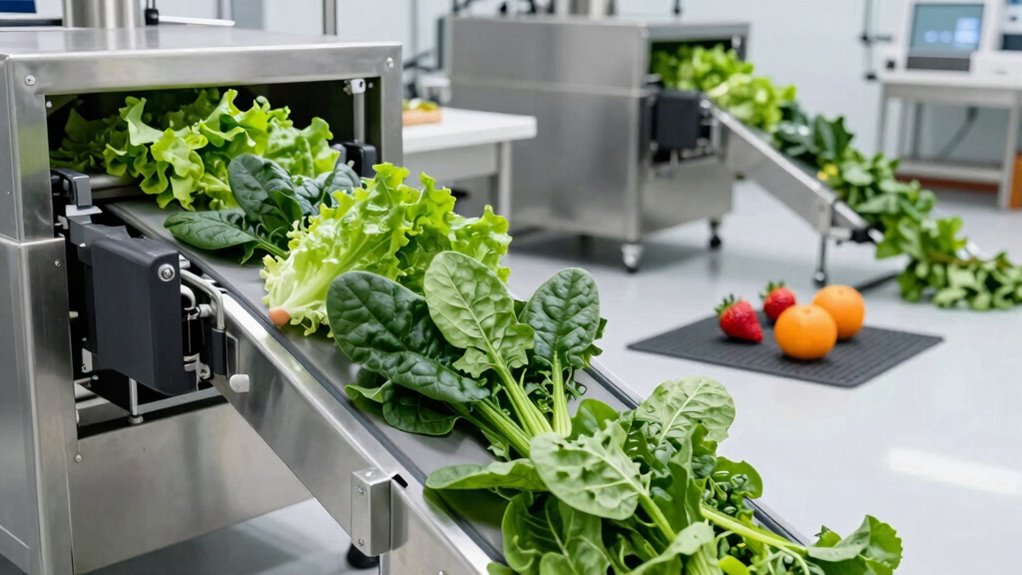
Food plants rely heavily on proper floor equipment to guarantee a safe and efficient environment for processing and handling food products. The way you approach floor equipment is essential, especially when it comes to maintaining high standards of sanitation and operational reliability. Your focus on sanitation protocols assures that every piece of equipment is easy to clean and resistant to contamination. Floors in food plants are often designed with smooth, non-porous materials like epoxy or stainless steel to minimize bacteria buildup. You’ll want to incorporate drainage systems and seamless joints that make cleaning straightforward, reducing the risk of cross-contamination. Regular sanitation routines are indispensable, so you need to develop detailed protocols that specify cleaning agents, schedules, and procedures to prevent the growth of harmful microbes. Implementing durable flooring materials that resist bacteria and facilitate cleaning is also a critical aspect of maintaining hygiene standards. Additionally, selecting flooring with appropriate slip resistance ensures worker safety during cleaning and daily operations, further supporting sanitation efforts. Incorporating effective cleaning techniques can significantly improve the ease and thoroughness of sanitation procedures, helping to uphold hygiene standards consistently. Regularly reviewing and updating your sanitation protocols based on regulatory standards can help prevent violations and ensure ongoing compliance. To enhance overall sanitation, training staff on proper cleaning methods and the importance of sanitation can lead to more consistent results.
Proper flooring and sanitation are essential for safe, efficient food processing environments.
Equally significant is your commitment to equipment maintenance. Well-maintained equipment not only prolongs its lifespan but also guarantees consistent performance, which is crucial for food safety. You should perform routine inspections to identify wear and tear early on, paying close attention to seals, gaskets, and moving parts that frequently come into contact with food products. Preventive maintenance helps you avoid unexpected breakdowns that could lead to contamination or production delays. When you maintain your equipment properly, you verify it operates at peak efficiency, reducing downtime and minimizing the risk of product recalls. Proper documentation of maintenance activities is also vital to ensure compliance and facilitate audits. Developing a preventive maintenance plan ensures that equipment is serviced regularly, reducing unexpected failures and contamination risks.
The approach you take to floor equipment also involves aligning your practices with strict regulatory standards. You understand that sanitation protocols are not just about cleaning; they’re about creating a hygienic environment where food safety is prioritized at every step. This means designing your equipment and flooring in a way that simplifies cleaning tasks and reduces the chance of dirt or bacteria hiding in hard-to-reach corners. You implement cleaning schedules based on the equipment’s usage intensity and contamination risk, adjusting them as needed to maintain compliance with food safety regulations. Regular training for staff on sanitation best practices can further enhance these efforts, ensuring everyone understands their role in maintaining a hygienic environment.
Your proactive approach to equipment maintenance and sanitation protocols enhances overall plant efficiency. When floors and equipment are properly maintained and regularly sanitized, you reduce the likelihood of contamination, which protects consumers and your brand’s reputation. You recognize that investing in durable, easy-to-clean flooring and maintaining your equipment diligently are key to achieving a safe, compliant, and smoothly running food processing environment. This integrated approach ensures your facility remains competitive, safe, and capable of producing high-quality food products consistently.
epoxy flooring for food processing plants
As an affiliate, we earn on qualifying purchases.
As an affiliate, we earn on qualifying purchases.
Frequently Asked Questions
How Do Food Plants Ensure Equipment Cleanliness for Food Safety?
You guarantee equipment cleanliness by strictly following sanitation protocols designed to minimize contamination risk. Regular cleaning schedules, proper use of approved cleaning agents, and thorough inspections help prevent bacteria buildup. You also train staff on hygiene practices and equipment handling. By maintaining high standards and monitoring cleanliness consistently, you reduce contamination risk, ensuring the safety and quality of food products. This proactive approach keeps your facility compliant and safe for consumers.
What Materials Are Best for Food Plant Floor Equipment?
You should choose materials like stainless steel, which offers unmatched durability, corrosion resistance, and ease of cleaning. These qualities guarantee your floor equipment withstands constant use, harsh cleaning agents, and moisture, maintaining food safety standards over time. Opt for smooth, non-porous surfaces that resist rust and contamination, making your plant safer and more efficient. In short, durable, corrosion-resistant materials keep your equipment reliable, clean, and compliant with food safety regulations.
How Do Plants Prevent Equipment Contamination During Cleaning?
You prevent equipment contamination during cleaning by strictly following sanitization protocols and minimizing cross contamination. You use dedicated tools for different areas, ensuring they’re properly sanitized between uses. You also implement effective cleaning schedules and procedures, such as using approved sanitizers and water temperatures, to eliminate residues and microbes. Regular training helps staff understand contamination risks and proper cleaning techniques, keeping equipment safe and compliant with food safety standards.
What Maintenance Practices Extend Equipment Lifespan in Food Plants?
An ounce of prevention is worth a pound of cure. To extend equipment lifespan, you should prioritize preventive maintenance and regular equipment calibration. Schedule routine inspections, clean equipment thoroughly, and promptly address any issues. Proper calibration ensures accuracy and efficiency, reducing wear and tear. By maintaining your equipment diligently, you avert costly breakdowns and prolong its service life, keeping your plant running smoothly and safely.
How Do Equipment Designs Accommodate Different Food Processing Needs?
You’ll find that equipment designs prioritize ergonomics to reduce worker fatigue and improve safety. They also incorporate floor drainage systems to facilitate easy cleaning and prevent water accumulation. These features guarantee that the equipment fits the specific needs of food processing, maintaining hygiene and efficiency. By focusing on ergonomics and drainage, the designs help streamline operations while adhering to strict safety and sanitation standards.
Conclusion
Just as a skilled gardener tends each plant with care, you approach floor equipment with precision and attention. Your mindful handling turns a simple task into a dance of harmony, where cleanliness and safety flourish like a well-tended garden. When you treat each piece with respect, the entire food plant blooms with efficiency and resilience. Remember, your diligent care is the sunlight that keeps the entire operation thriving—nurturing growth from the ground up.
NFL season / tailgating Picks
team gear
As an affiliate, we earn on qualifying purchases.